El objetivo final de toda actividad plástica es la arquitectura. Walter Gropius
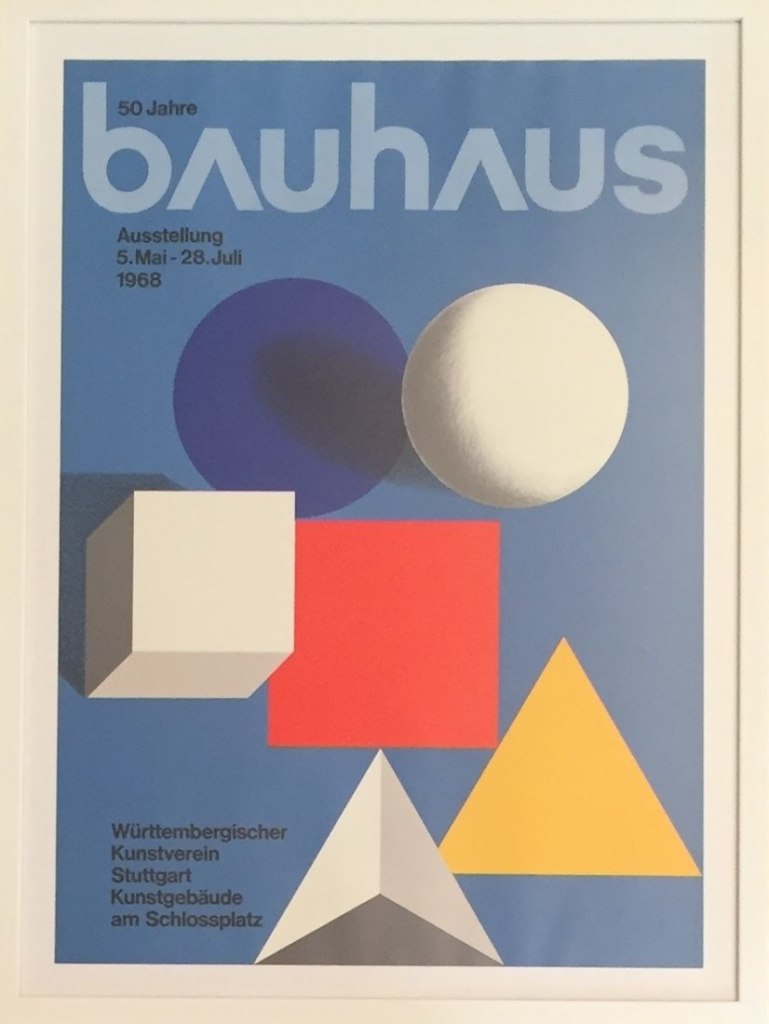
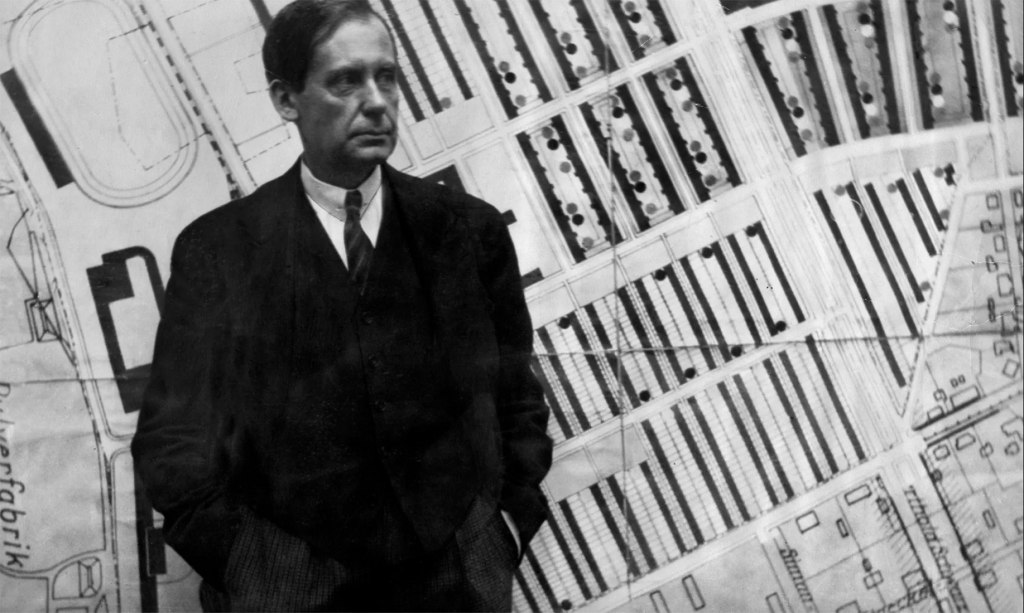
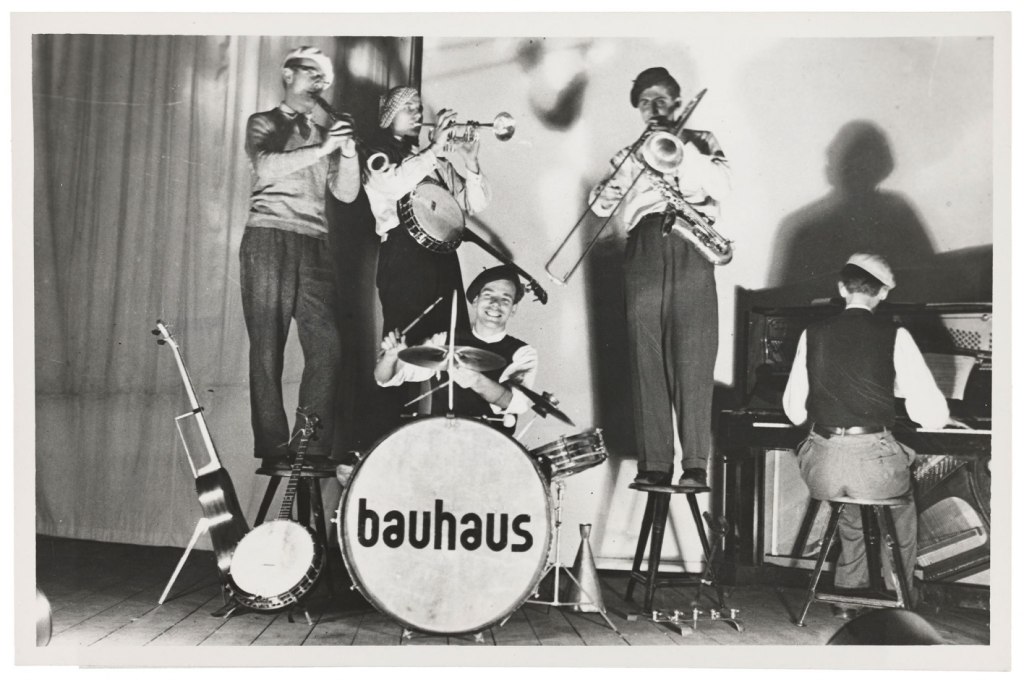
La historia de la Bauhaus o casa en construcción, está unida a la persona de su primer director, Walter Gropius, quien fusiona diversas ideas relacionadas con la reforma del aprendizaje artístico en la que la arquitectura desempeñaría un papel primordial.
Uniendo la Escuela de Arte del Gran Ducado de Henry van de Velde y la Escuela Superior de Bellas Artes de Weimar, funda en 1919 una escuela unitaria de arte que designó con el nombre de Bauhaus.
Una de las novedades más importantes del programa educativo fue la introducción de un curso preparatorio común para todos los participantes.
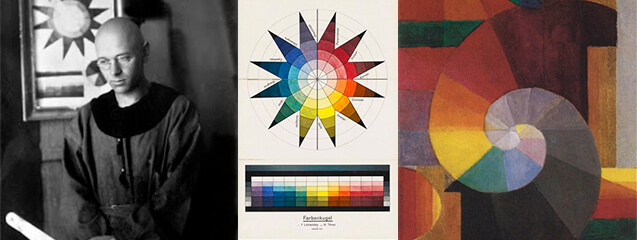
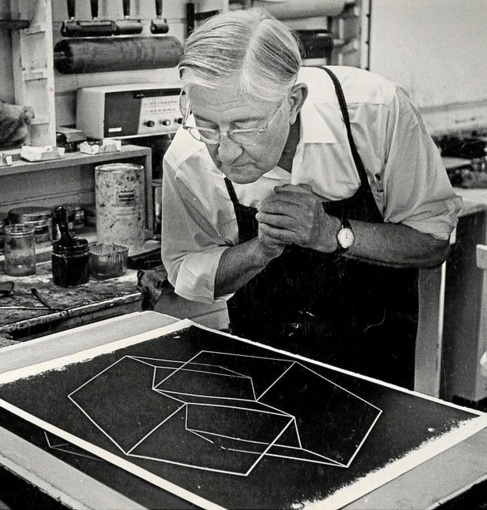
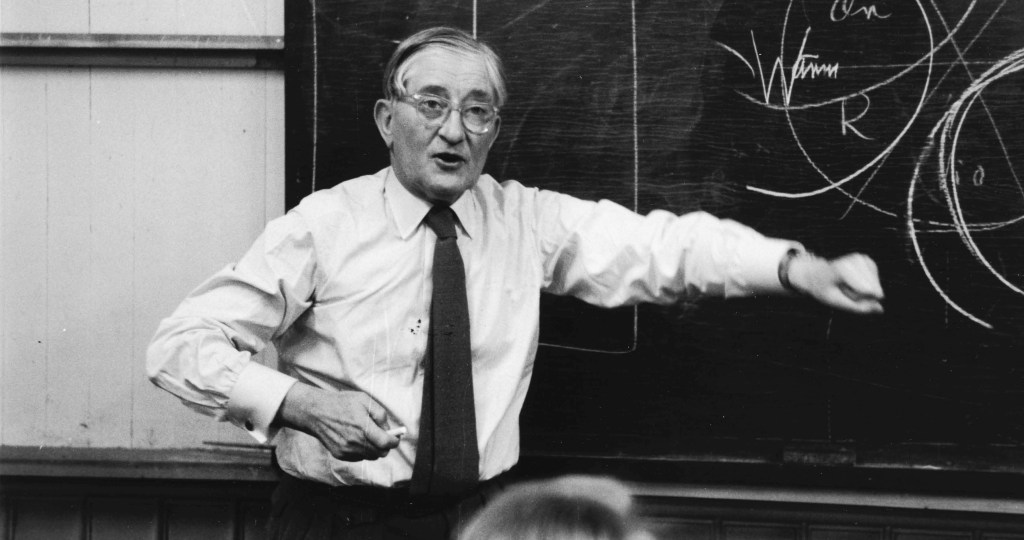
El desarrollo y la dirección del mismo, hasta 1923, corrieron a cargo del pedagogo de arte y pintor Johannes liten, a quien sucede Josef Albers.
Otra parte de la reforma fue la instrucción magistral, según la cual los alumnos debían suscribir un contrato de aprendizaje y consecuentemente los formadores se llamaban maestros.
Los talleres -de vidrio, cerámica, textiles, metal, ebanistería, pintura mural y escultura- constituían el centro del aprendizaje y los ingresos se obtenían con la venta de artículos o licencias.
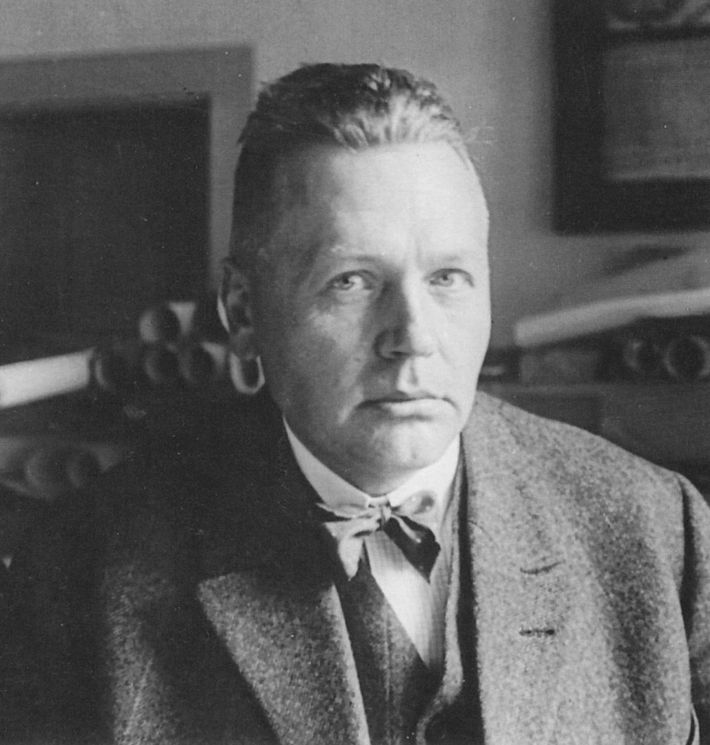
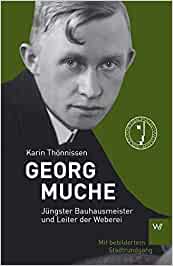
No obstante, con Gropius solo hubo un departamento de arquitectura en 1927-1928, por lo que el único edificio real de la Bauhaus fue la casa Hom, construida para la Exposición de Arquitectura de 1923, en la que junto a Adolf Meyer intervino el pintor Georg Muche.
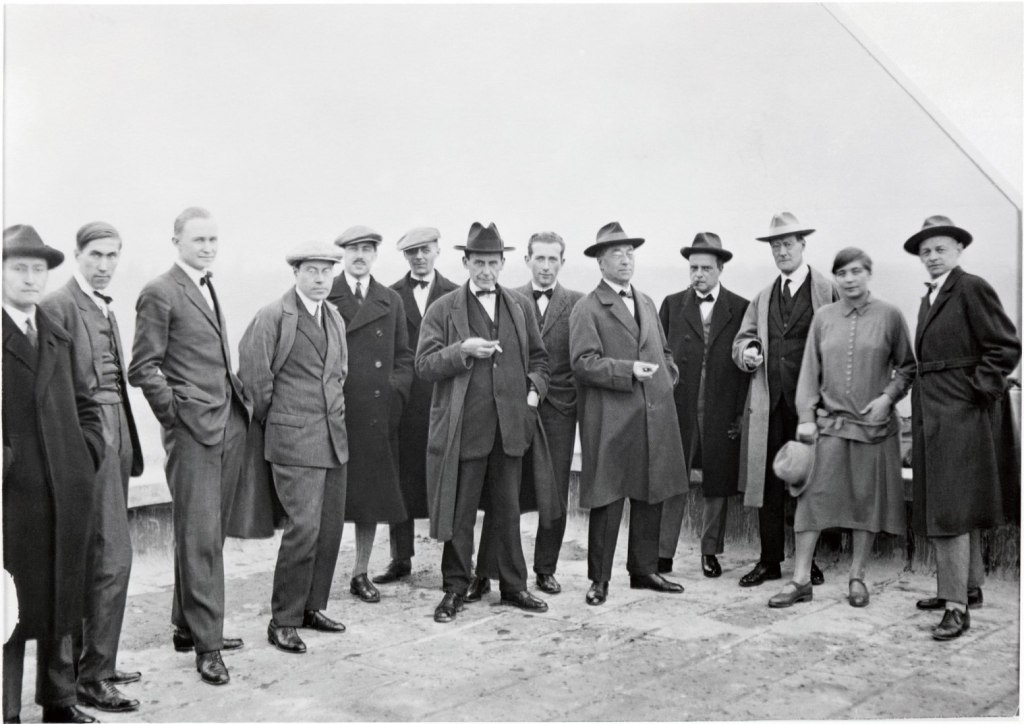
Entre los profesores y formadores destacaron Herbert Bayer, Marianne Brandt, Marcel Breuer, Lyonel Feininger, Paul Klee, Vassiii Kandinski, László Moholy-Nagy, Oskar Schlemmer y Gunta Stólzl.
La Bauhaus registra numerosas reformas de los planes de enseñanza; el mismo Gropius introdujo en 1923 cambios fundamentales bajo el lema arte y técnica: nueva unidad.
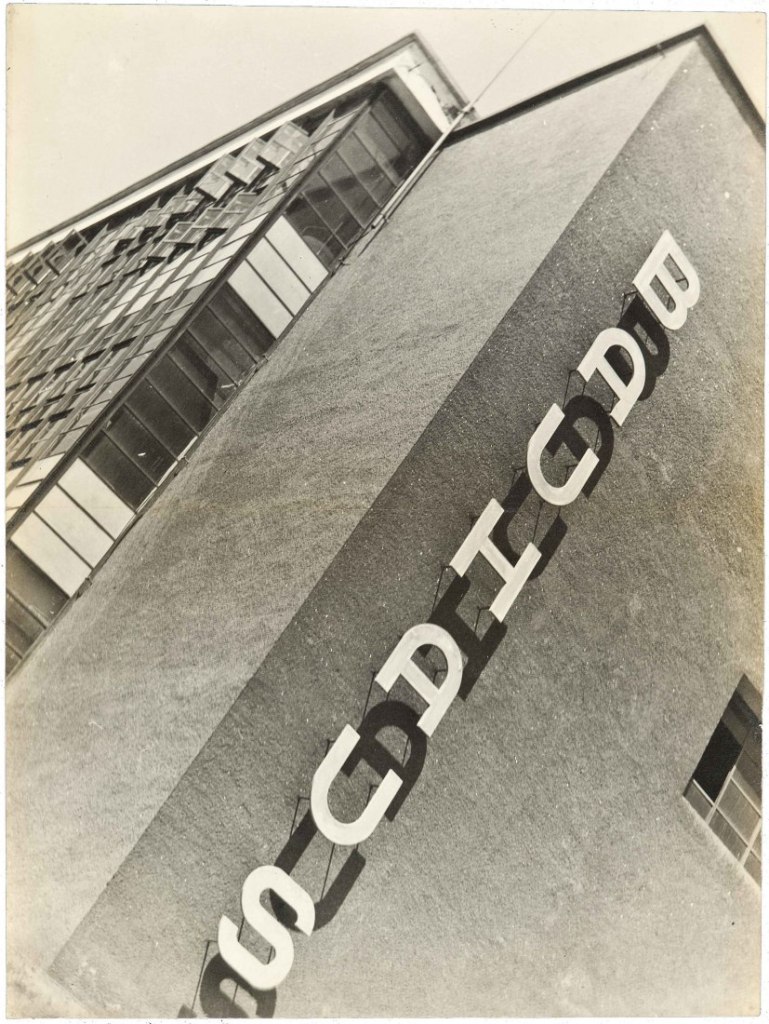
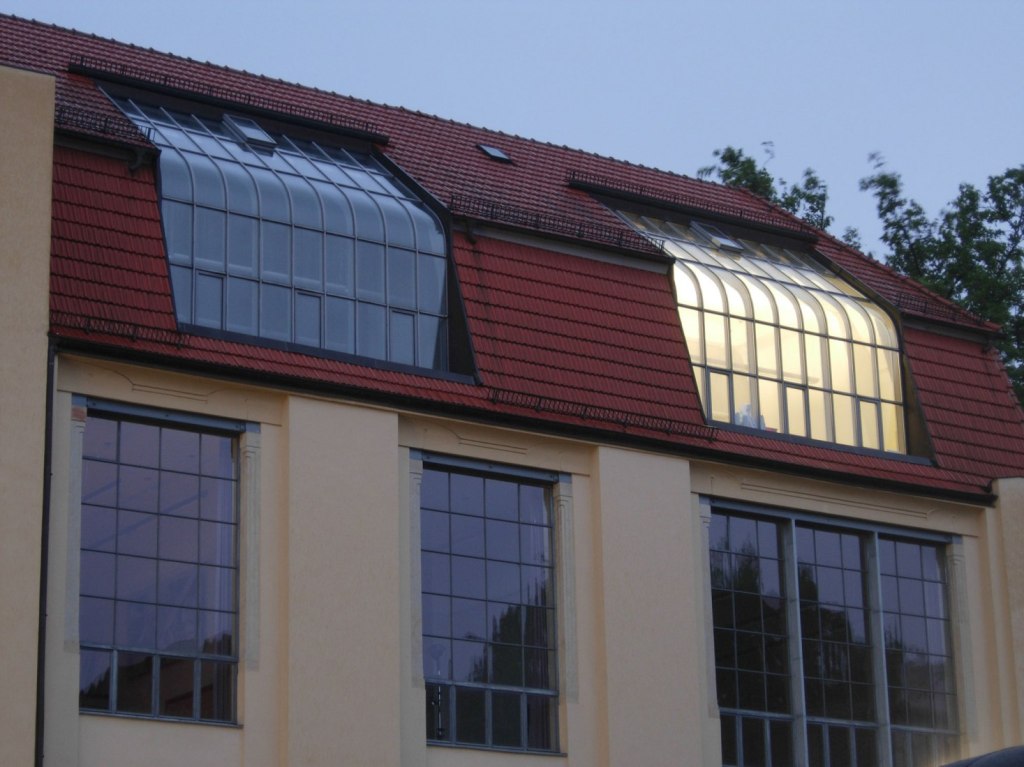
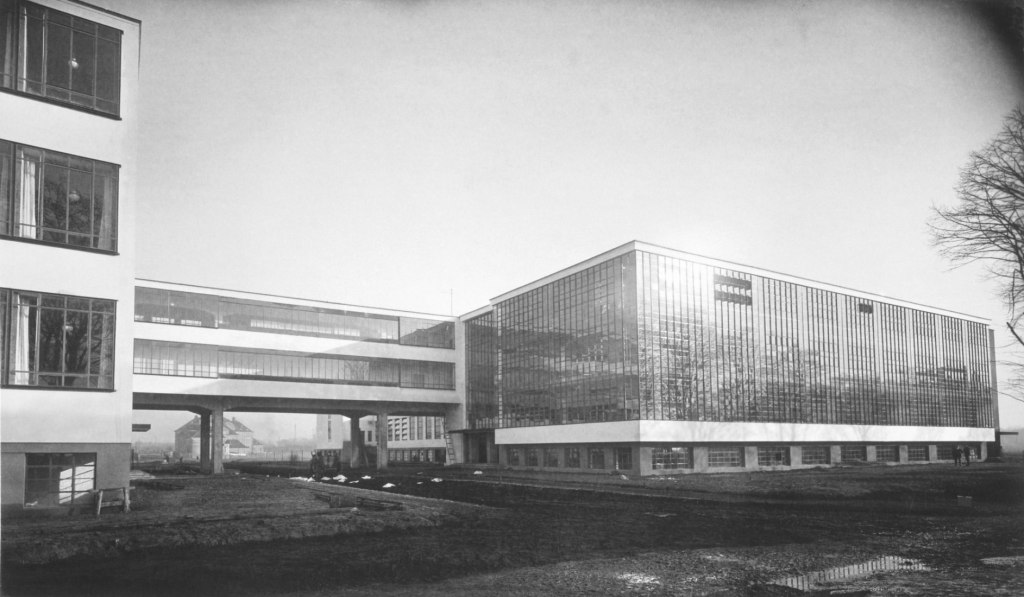
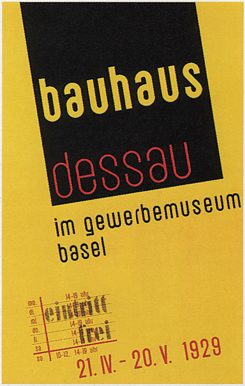
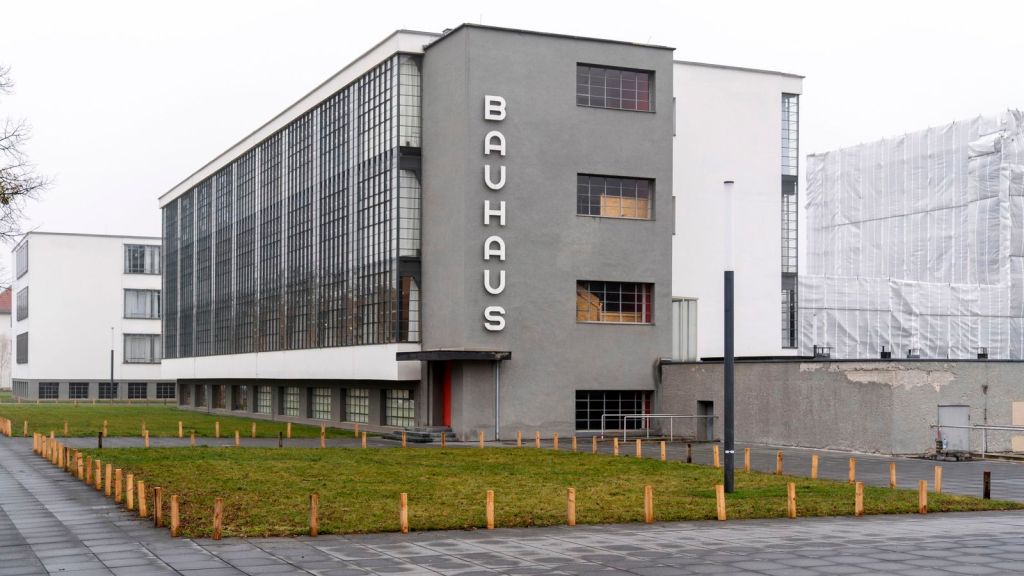
En 1925 la Bauhaus se trasladó al nuevo edificio de Dessau, definidor de su imagen y diseñado por Gropius y su colaborador Adolf Meyer.
En 1928 Hannes Meyer sucede a Gropius como consecuencia de la crítica política. Rechazando las concepciones formalistas de los proyectos, introdujo principios inspirados en las necesidades del pueblo, que terminan desacreditándole por marxista y provocando su caída.
El último director de la Bauhaus, a partir de 1930, fue Ludwig Mies van der Rohe, quien, tras el cierre decretado en 1932 por el nacionalsocialismo, la mantiene durante un año en Berlín en calidad de instituto privado.
Gössel, P. (2007). The A-Z of Modern Architecture (Vol. 1). Deutscher Taschenbuch Verlag.
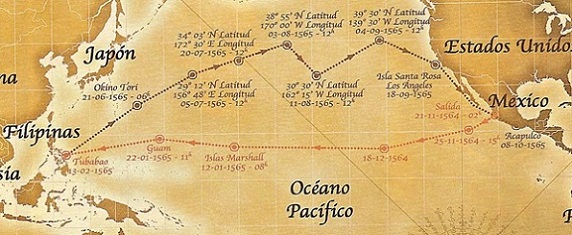
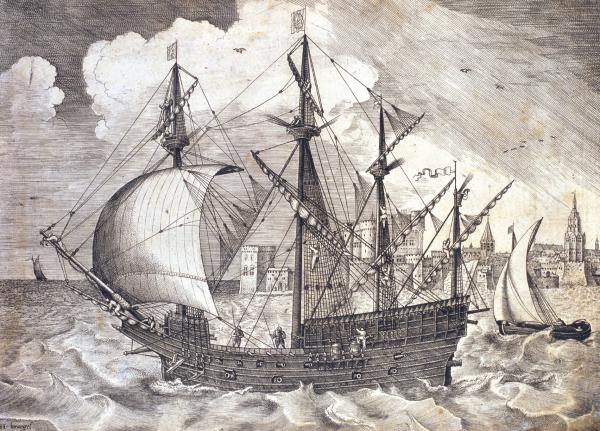
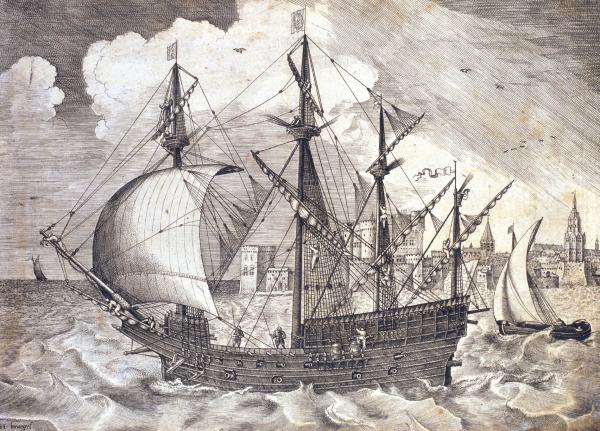
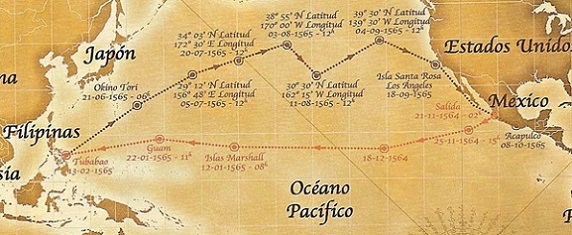
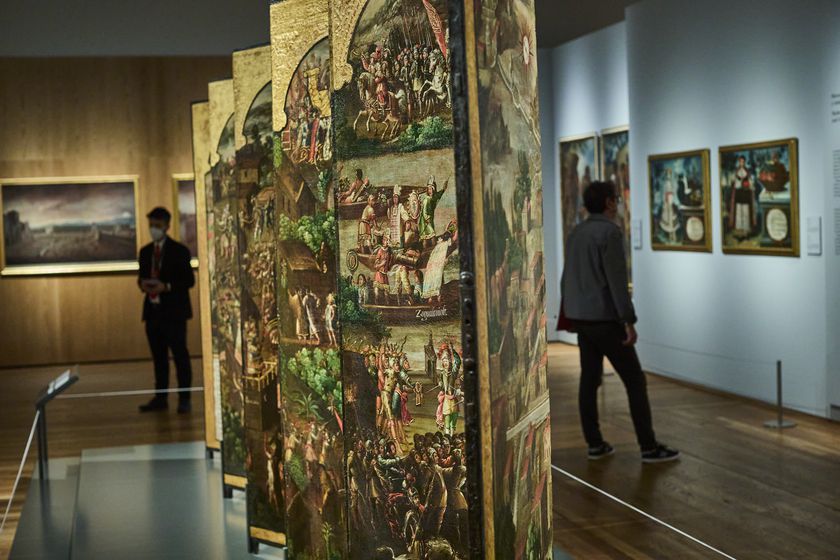
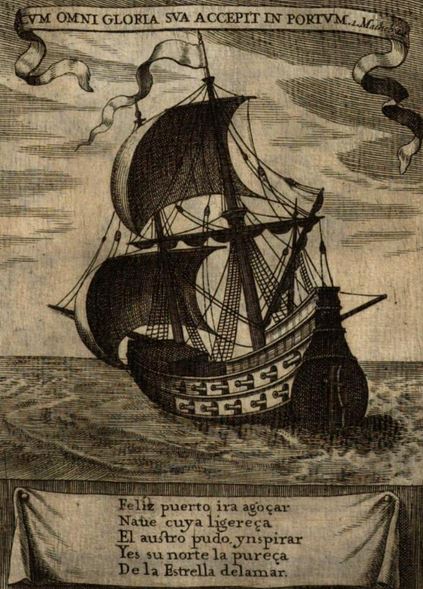
Es el nombre que se le dio al viaje de regreso (o de vuelta) desde las Indias Orientales (la parte más lejana de Asia, como Filipinas) hasta América. Los marinos vascos Legazpi y Urdaneta fueron los primeros en realizar, y también en descubrir, la posibilidad del tornaviaje a través de esta inmensidad oceánica. Partieron desde Cebú el 1 de junio de 1565 y llegaron a Acapulco (México) el 8 de octubre. El tornaviaje se basaba en la comprensión del mecanismo de la «vuelta». Hay que tener en cuenta que la duración total del viaje suponía invertir unos 3 meses para la ida y, como mínimo, el doble para la vuelta. Cuando se descubrió la corriente oceánica que facilitaba el regreso, «tan solo» fueron necesarios 4 meses para el retorno, generándose un importante ahorro de tiempo de unos 60 días.
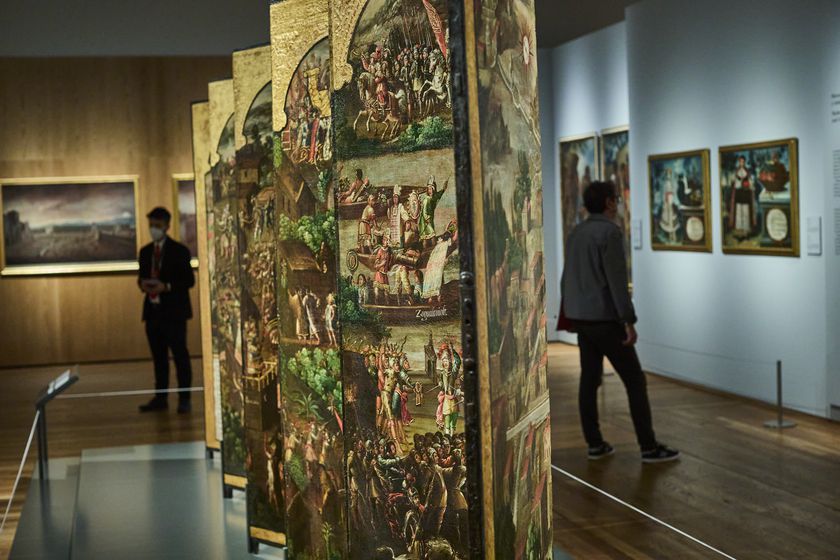
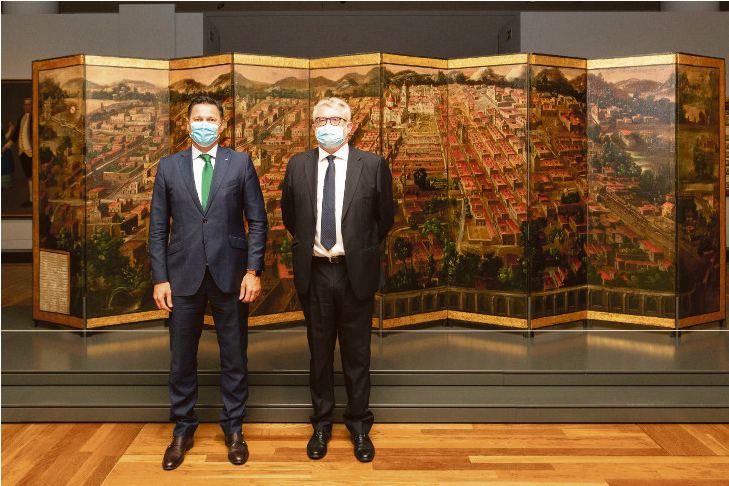
Tornaviaje. Arte iberoamericano en España
Museo Nacional del Prado. Madrid 05/10/2021 – 13/02/2022
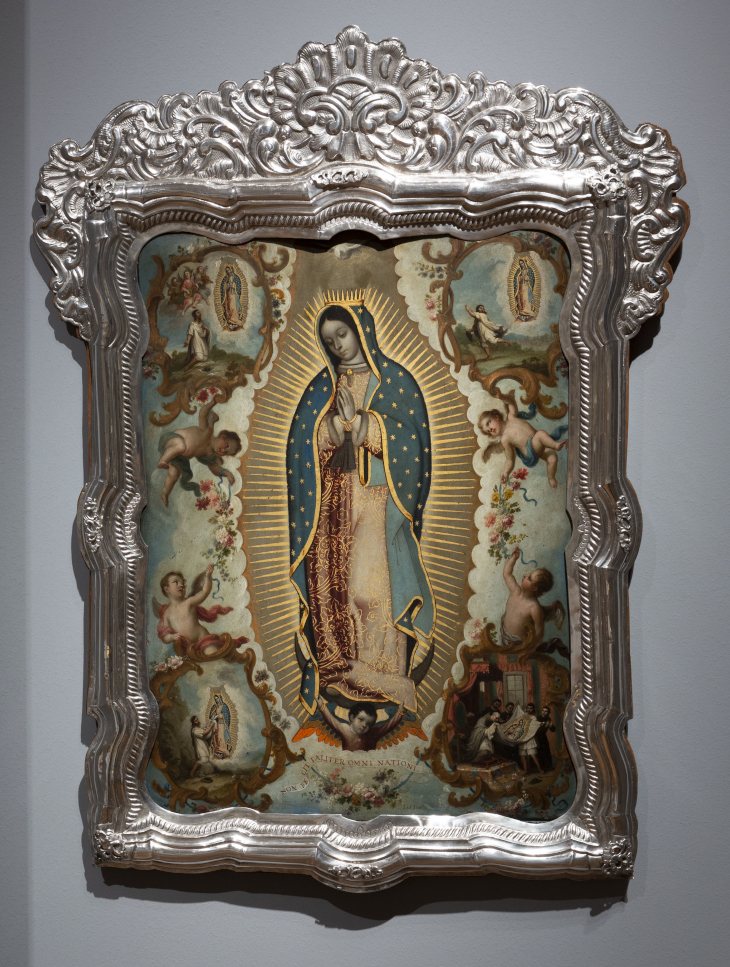
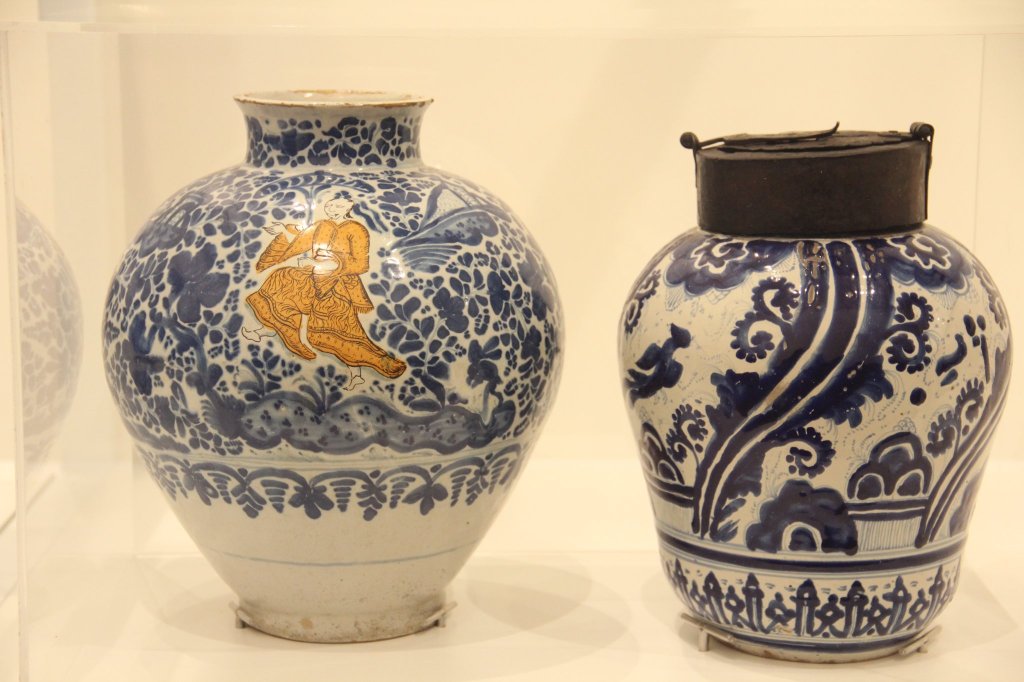
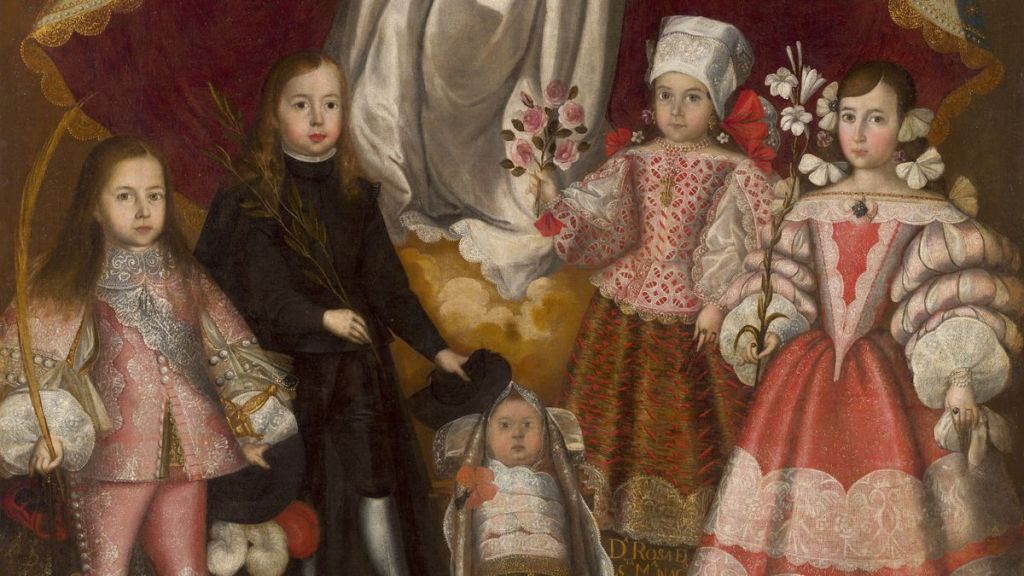
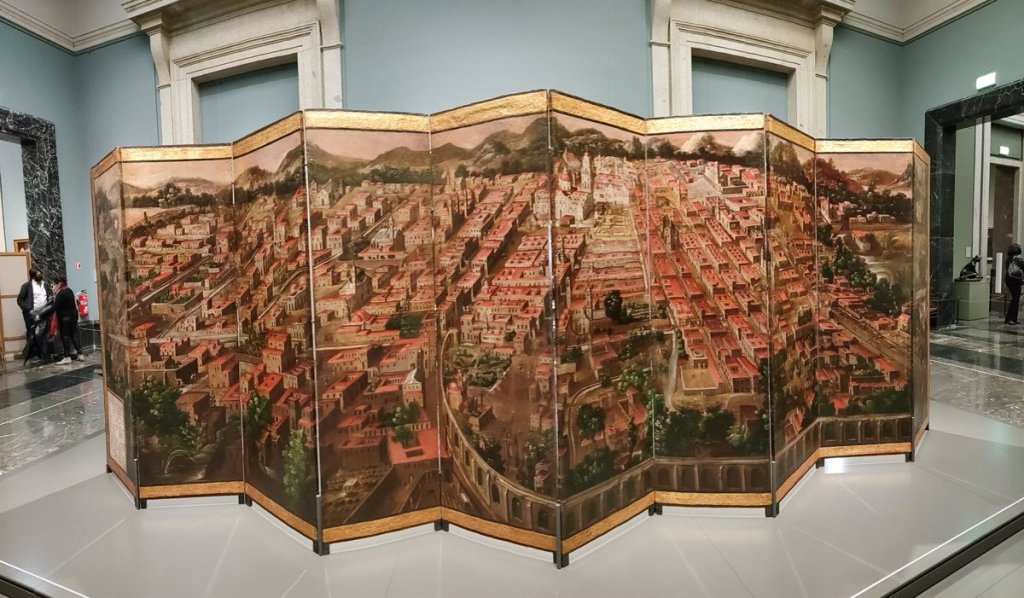
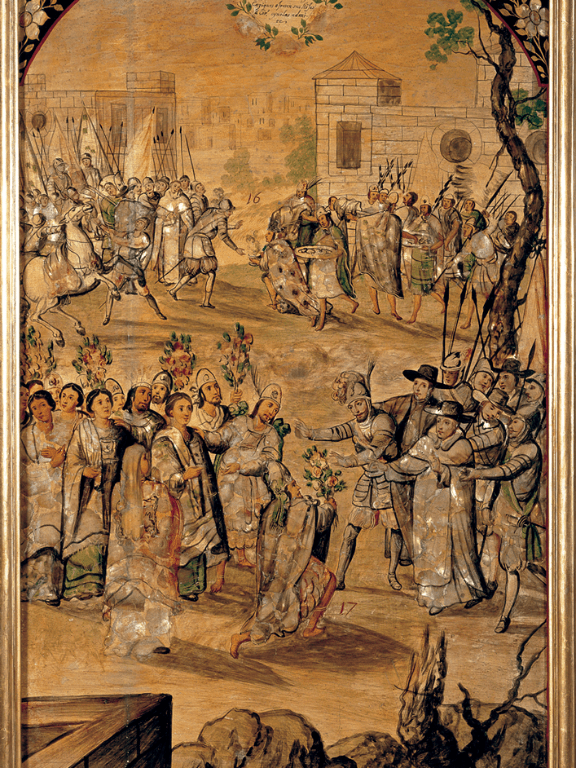
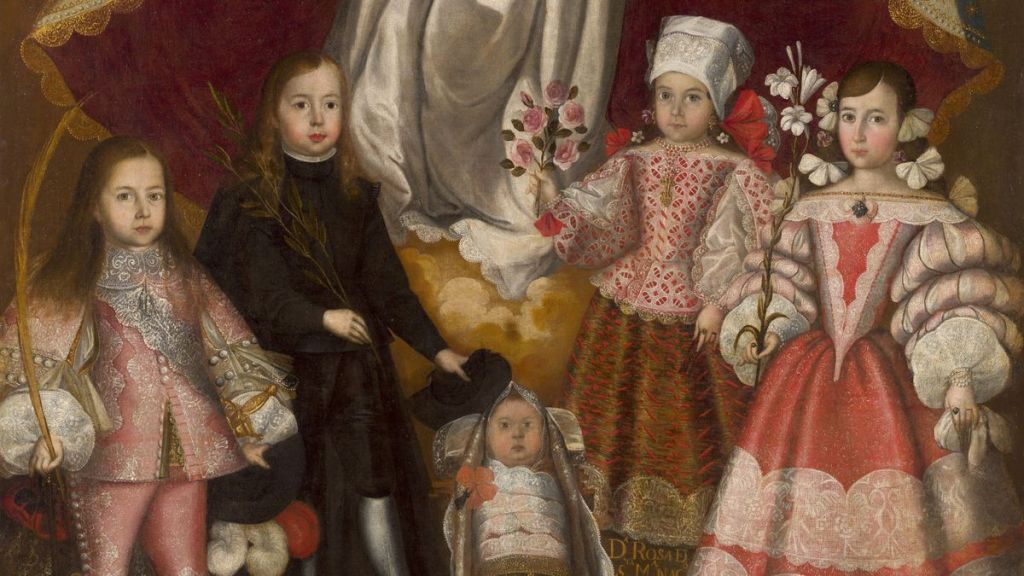
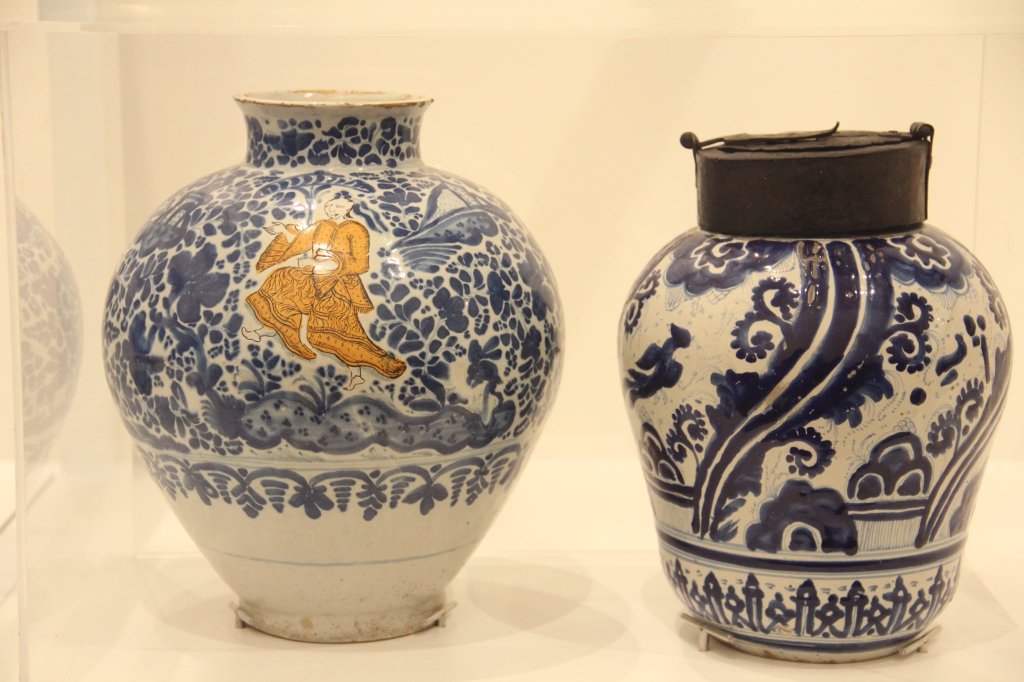
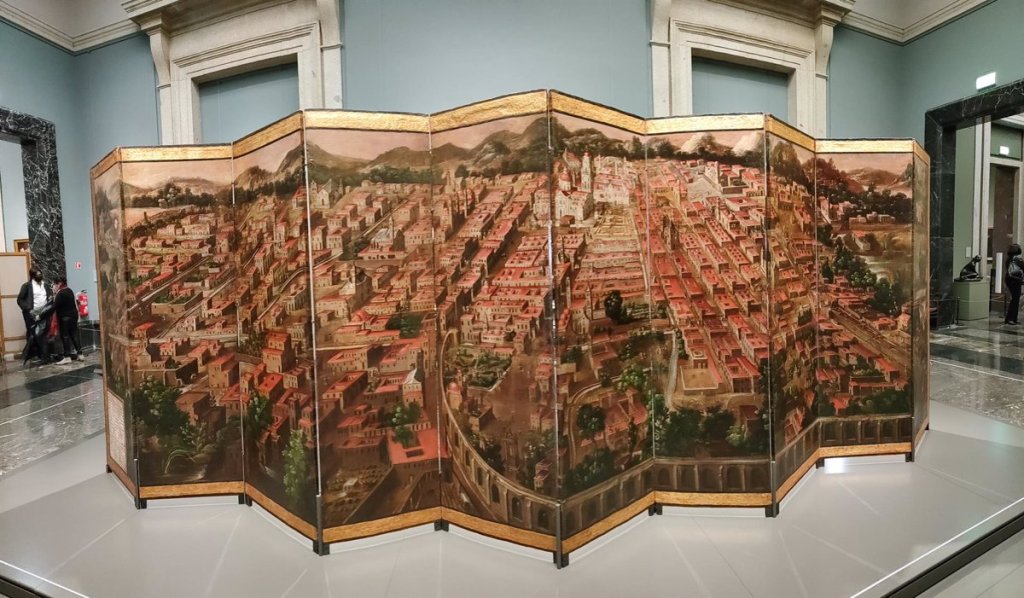
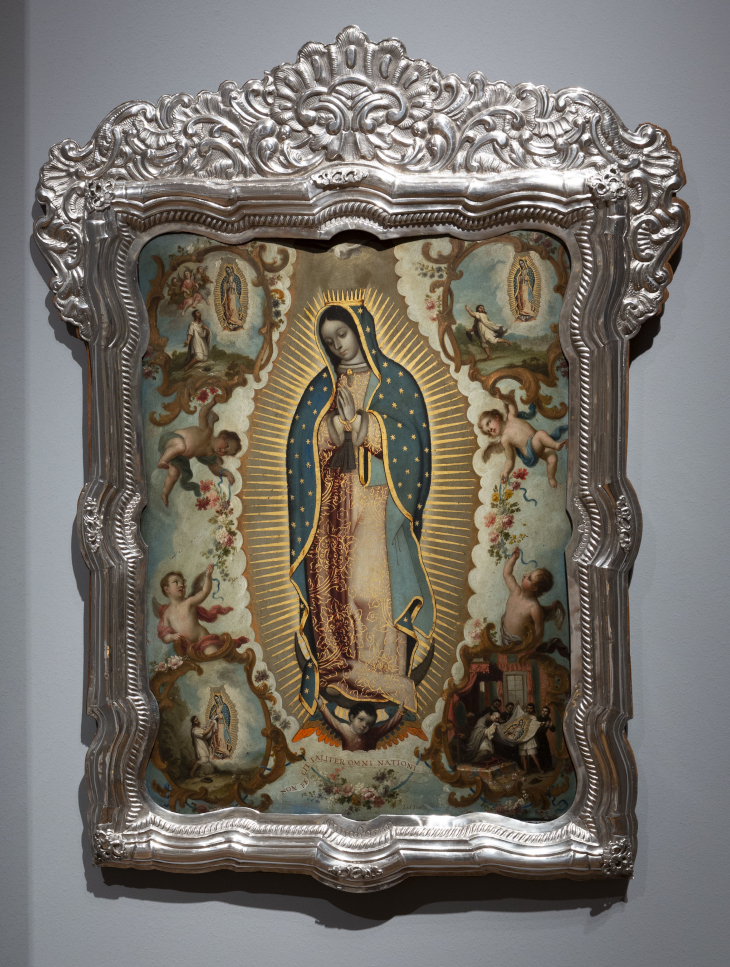
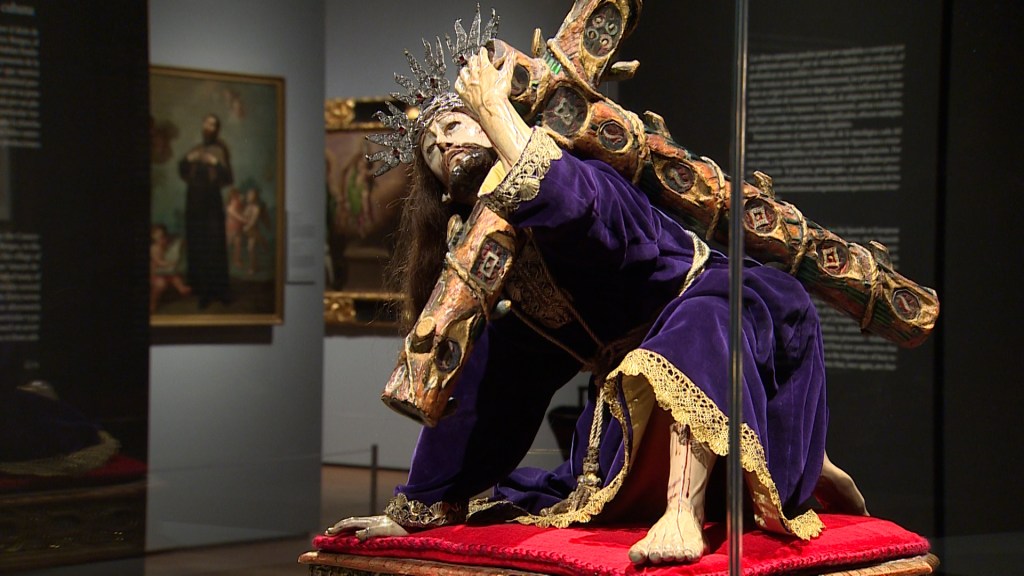
Patrocinada por la Fundación AXA, cuenta una realidad poco conocida: que tras la conquista de América y hasta la Independencia llegan a España más objetos artísticos de procedencia americana que flamenca o italiana, y que el tráfico de obras de arte entre ambos lados del Atlántico no fue solo unidireccional, de España a América, como suele señalarse.
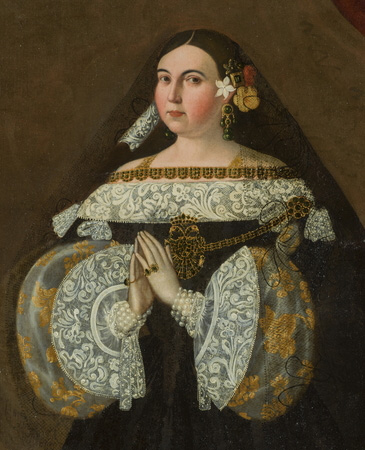
Estos miles de objetos, muchos debidos a artífices indígenas o mestizos, presentan a menudo materiales, temas y técnicas desconocidos en la metrópoli, y su realización responde a propósitos diversos: reafirmación del dominio de la metrópoli, aspiraciones identitarias de las elites criollas, o motivaciones documentales, devocionales y estéticas.
La exposición, que también cuenta con la colaboración de la Comisión Arte Virreinal de la Fundación Amigos del Museo del Prado, incluye más de un centenar de obras americanas conservadas desde hace siglos en instituciones culturales y religiosas españolas; piezas que se integraron en nuestra cotidianeidad y forman parte de nuestro patrimonio histórico y cultural, aunque a veces hayan perdido memoria de su origen.
Varias pertenecieron a la antigua colección real y colgaron en los mismos palacios donde lo hacían los lienzos de Rubens o Velázquez; sin embargo, el Museo del Prado ha ignorado hasta ahora esta realidad.
Con esta exposición quiere paliar esa laguna y ofrecer una visión más rica y compleja de la circulación y recepción de los objetos artísticos en España en época Moderna.
El recorrido por esta exposición, que permanecerá en las salas A y B del edificio Jerónimos hasta el 13 de febrero, ofrece al visitante la posibilidad de conocer la cultura de los virreinatos americanos, teniendo en cuenta sus valores simbólicos e iconográficos, así como aquellos que les otorgaron las sociedades receptoras.
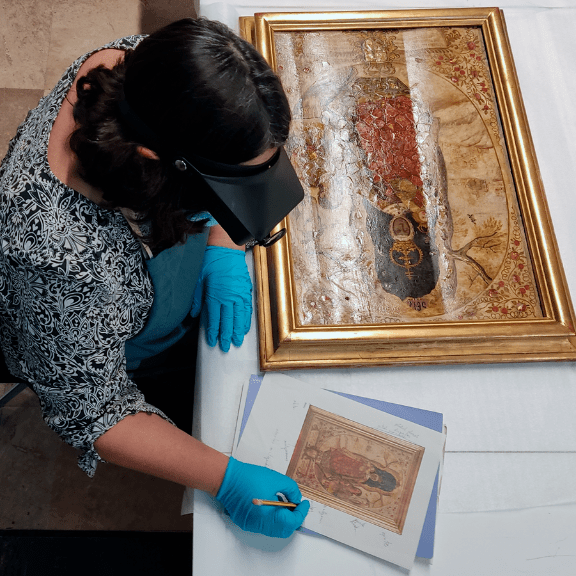
63 prestadores nacionales y 3 internacionales han colaborado en la organización de esta exposición con el préstamo de 95 de las 107 obras expuestas, creadas en Perú, Colombia y México, entre otros, de las cuales 26 han sido restauradas para la ocasión.
Prueba del carácter nacional de esta muestra es que hay obras provenientes de 25 provincias diferentes.
Es el comisario Rafael López Guzmán, catedrático de la Universidad de Granada, con la asistencia de Jaime Cuadriello y Pablo F. Amador, miembros del Instituto de Investigaciones Estéticas de la UNAM en México.
National Museum of the Prado. Madrid 10/05/2021 – 02/13/2022
Sponsored by the AXA Foundation, it tells of a little-known reality: that after the conquest of America and until Indepéndence, more artistic objects of American origin than Flemish or Italian arrive in Spain, and that the traffic of works of art between both sides of the Atlantic does not it was only one-way, from Spain to America, as is often noted.
These thousands of objects, many due to indígenous or mestízo craftsmen, often present materials, themes and techniques unknown in the metropolis, and their realization responds to different purposes: reaffirmation of the dominance of the metropolis, identity aspirations of the Creole elites, or motivations documentaries, devotionals and aesthetics.
The exhibition, which also has the collaboration of the Viceregal Art Commission of the Fundación Amigos del Museo del Prado, includes more than a hundred American works preserved for centuries in Spanish cultural and religious institutions; pieces that were integrated into our daily lives and are part of our historical and cultural heritage, although sometimes they have lost memory of their origin.
Several belonged to the old royal collection and hung in the same palaces where the canvases by Rubens or Velázquez were made; however, the Prado Museum has so far ignored this reality.
With this exhibition he wants to alleviate this gap and offer a richer and more complex vision of the circulation and reception of artistic objects in Spain in Modern times.
The tour of this exhibition, which will remain in rooms A and B of the Jerónimos building until February 13, offers the visitor the possibility of learning about the culture of the American viceroyalties, taking into account their symbolic and iconographic values, as well as those that they were awarded by the recéiving societies.
63 national and 3 international províders have collaborated in the organization of this exhibition with the loan of 95 of the 107 exhibited works, created in Peru, Colombia and Mexico, amóng others, of which 26 have been restored for the occasion.
Proof of the national character of this sample is that there are works from 25 different provinces. It is the curator Rafael López Guzmán, professor at the University of Granada, with the assistance of Jaime Cuadriello and Pablo F. Amador, members of the Institute for Aesthetic Research at UNAM in Mexico
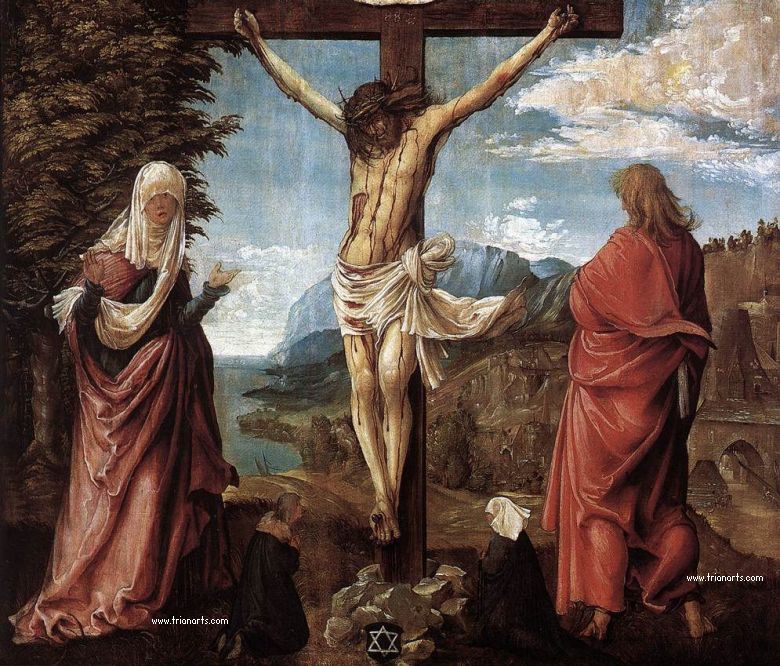
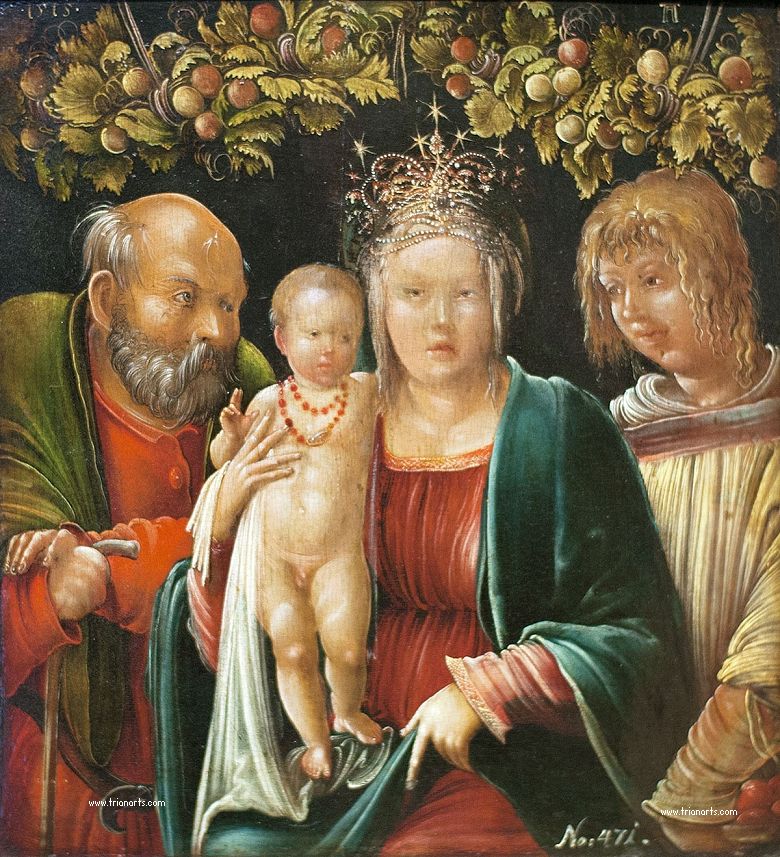
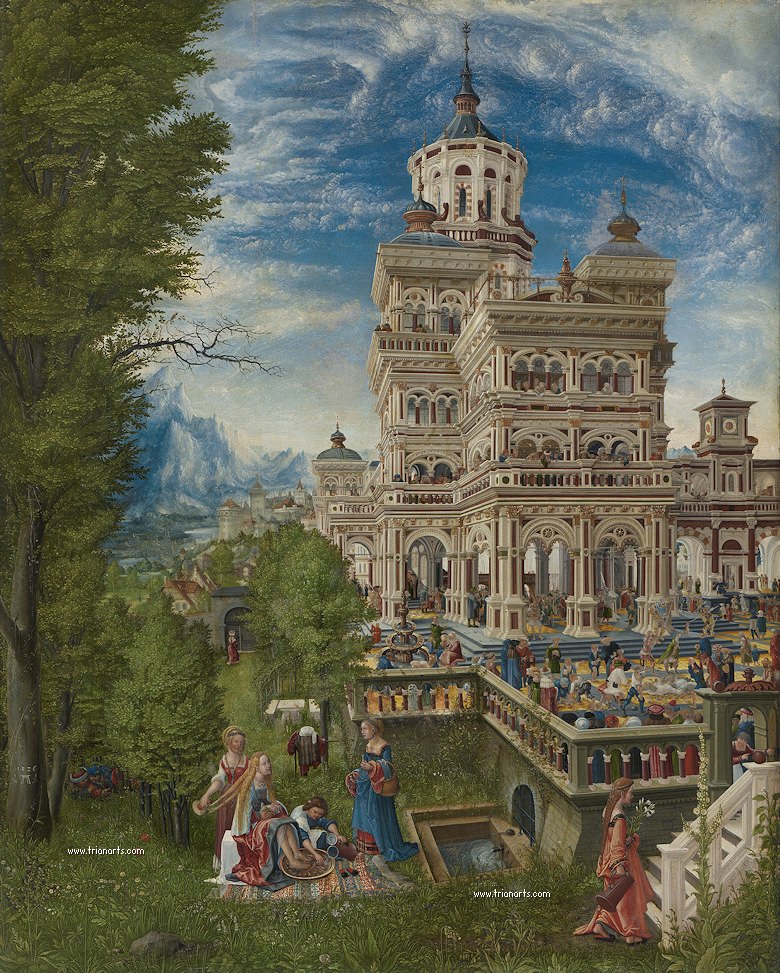
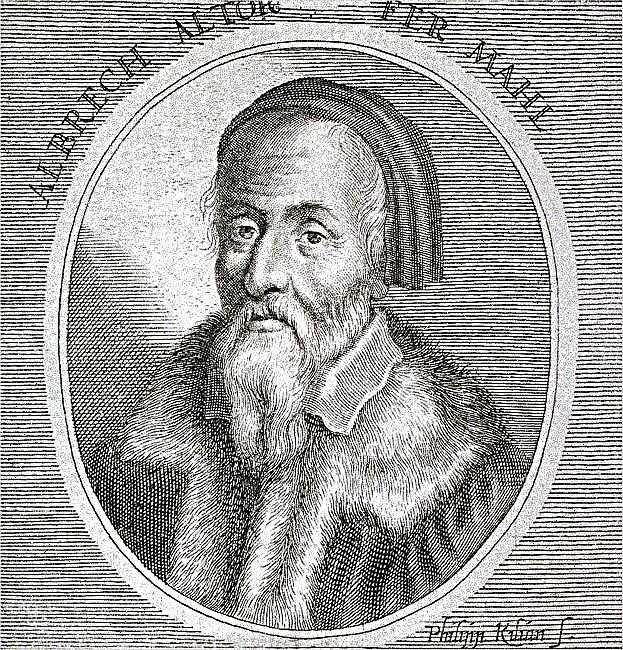
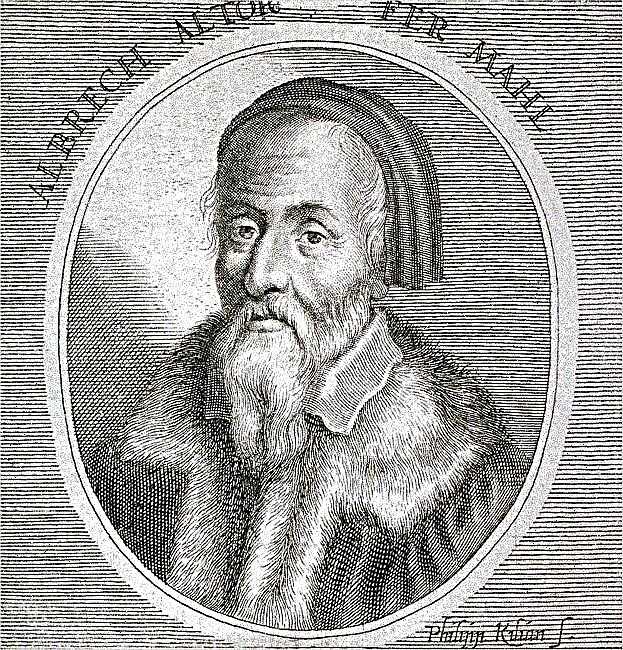
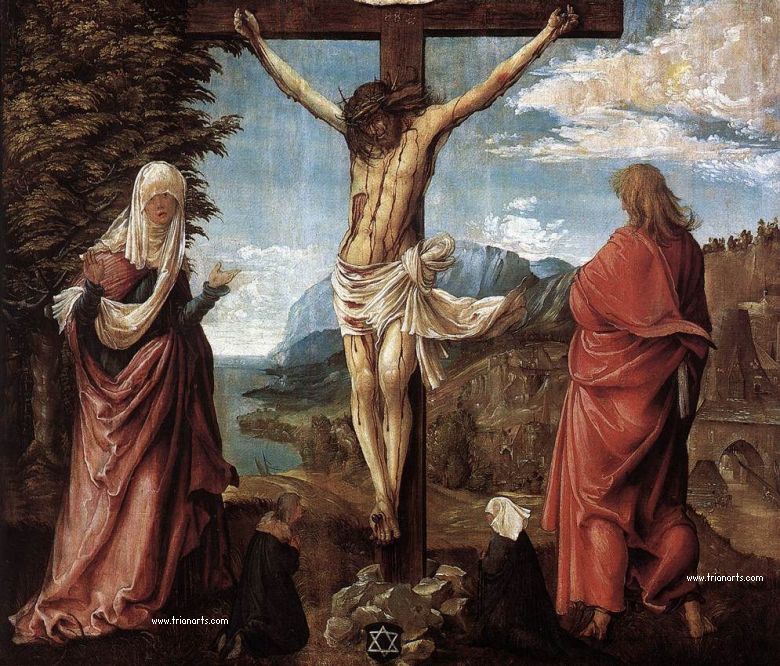
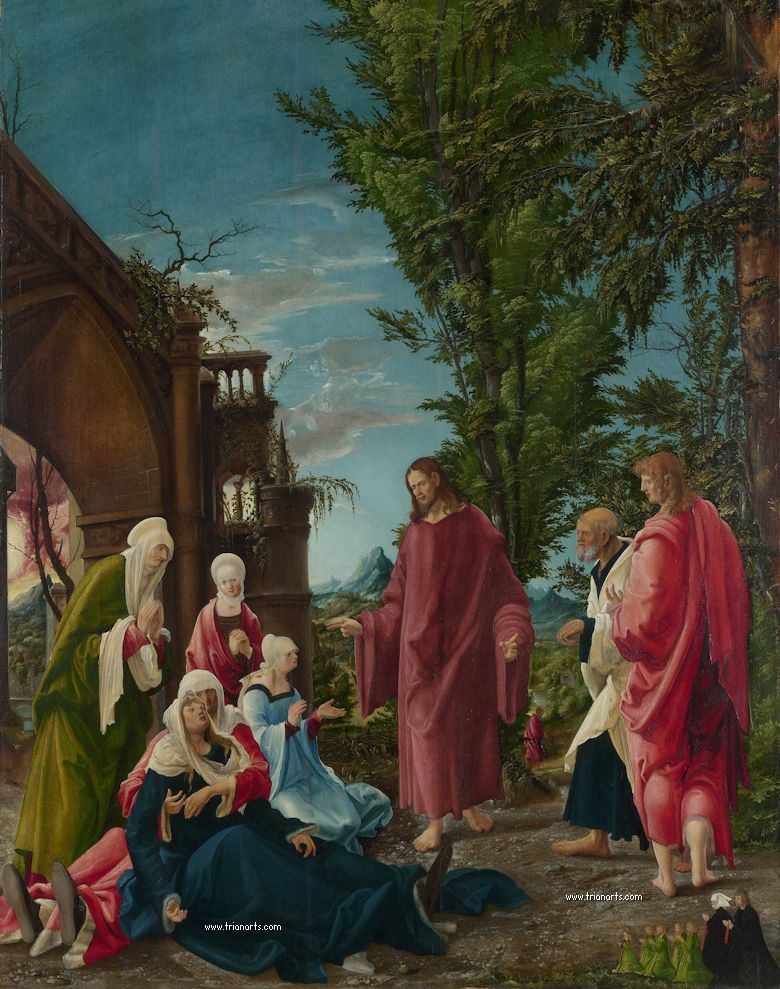
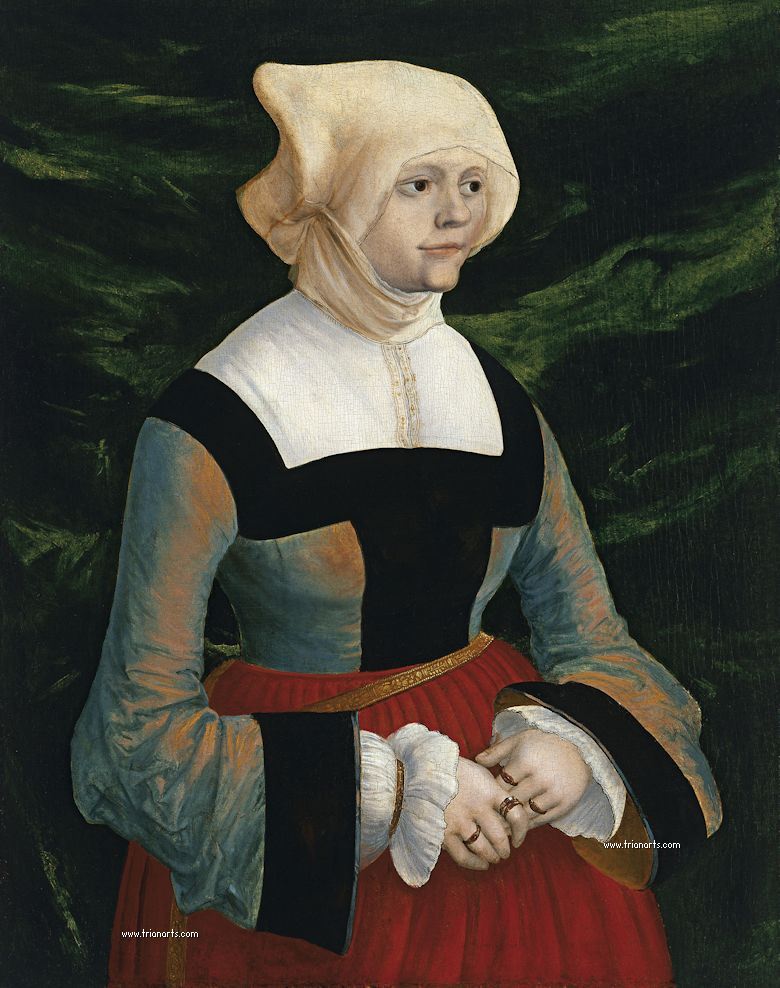
El primer documento que de él se conserva es de 1505, año en el que obtiene la ciudadanía en Ratisbona.
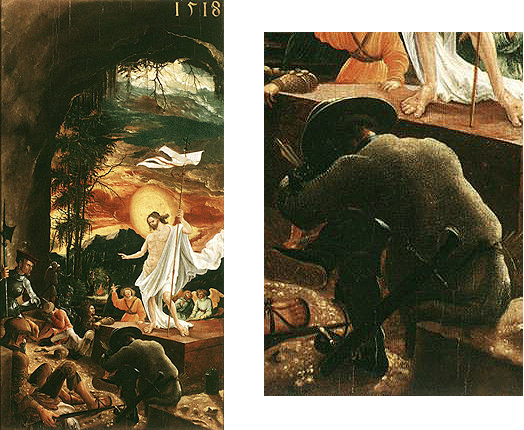
No se conocen datos de su aprendizaje, aunque el detalle de la pintura sugiere una formación de miniaturista.
También se ha mencionado la posibilidad de que pudiera ser hijo del pintor e ilustrador Ulrich Altdorfer, documentado por última vez en 1491 en Ratisbona.
Albrecht Altdorfer reside toda su vida en esa ciudad, donde además de trabajar como pintor, grabador, diseñador de vidrieras y arquitecto municipal, ejerce un destacado papel dentro de la política local, llegando a ser alcalde en 1528.
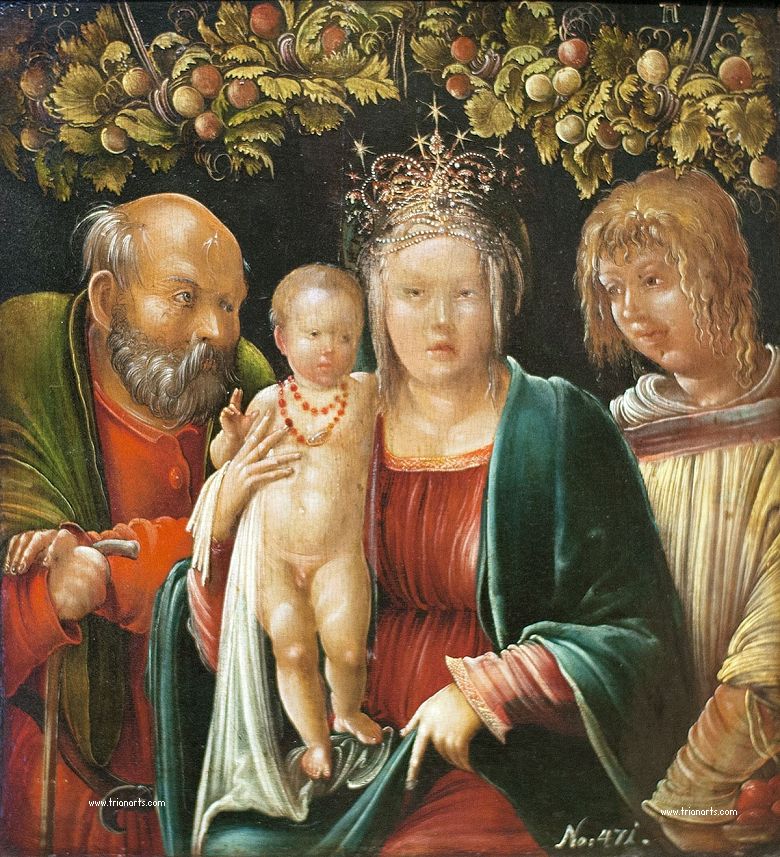
Durante su primera etapa Altdorfer utilizó para firmar sus obras un monograma que consistía en una doble A.
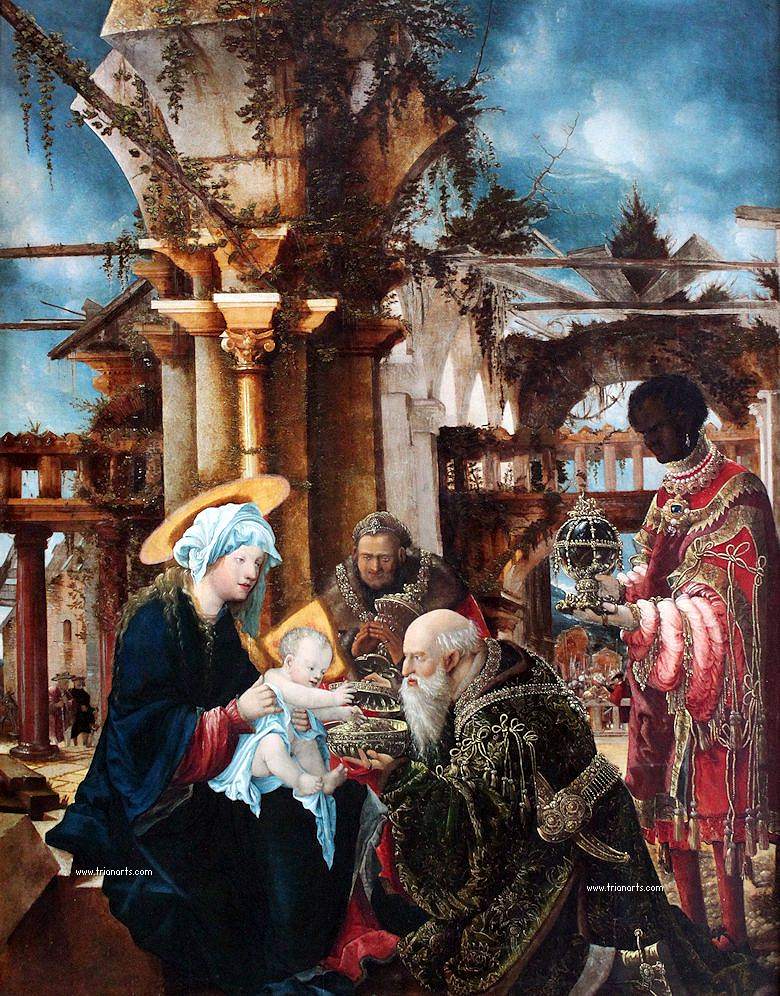
No hay noticias de que Altdorfer viaje a Italia, pero en su obra se aprecian influencias de la pintura italiana, especialmente en los temas alegóricos y mitológicos, que probablemente conoció gracias a estampas.
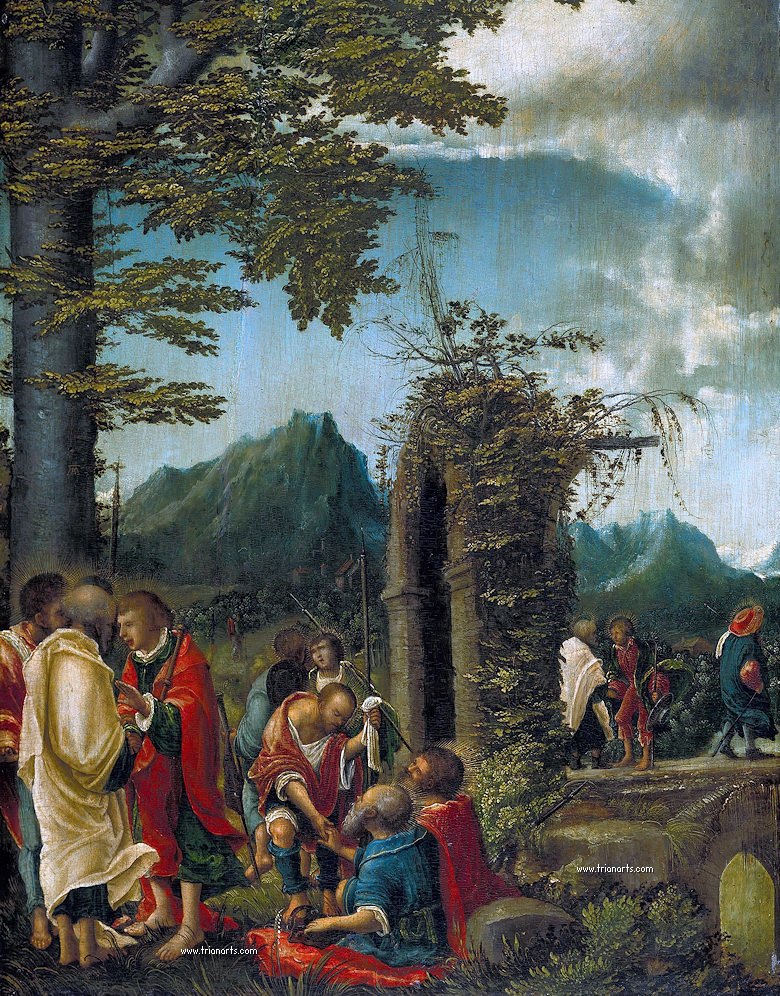
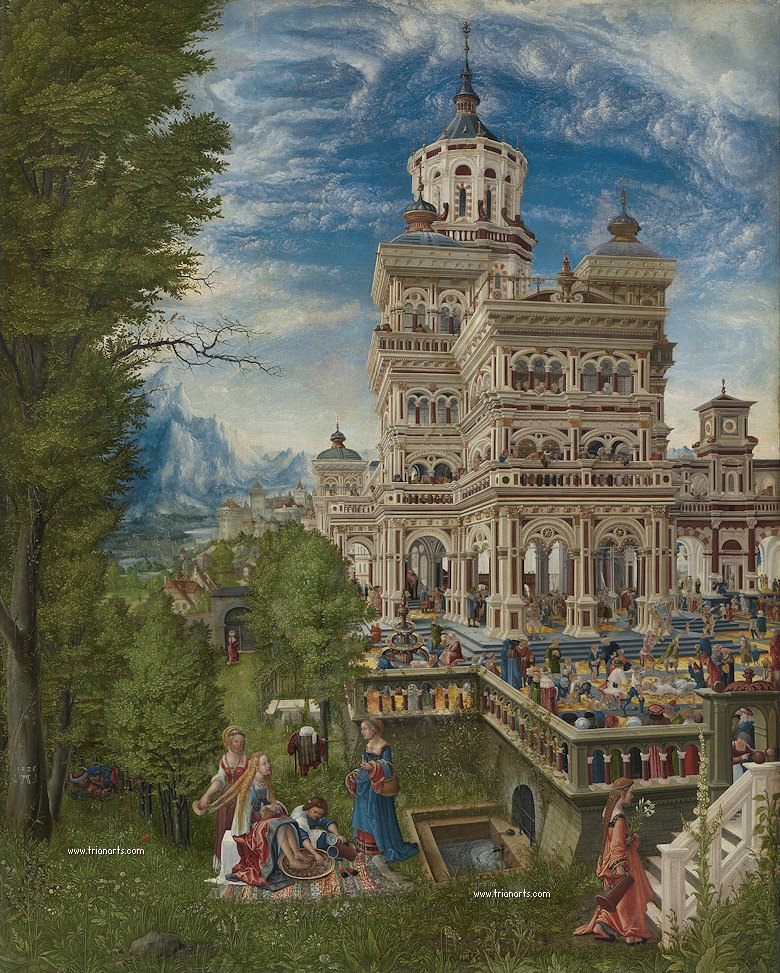
Admira y estudia la obra de Durero y la de Cranach. Aunque la mayoría de sus obras son de tema religioso, su aportación a la pintura alemana es su innovadora concepción del paisaje.
Fue, junto con Wolf Huber, la figura central de la Escuela del Danubio, responsable del desarrollo del paisaje como género independiente.
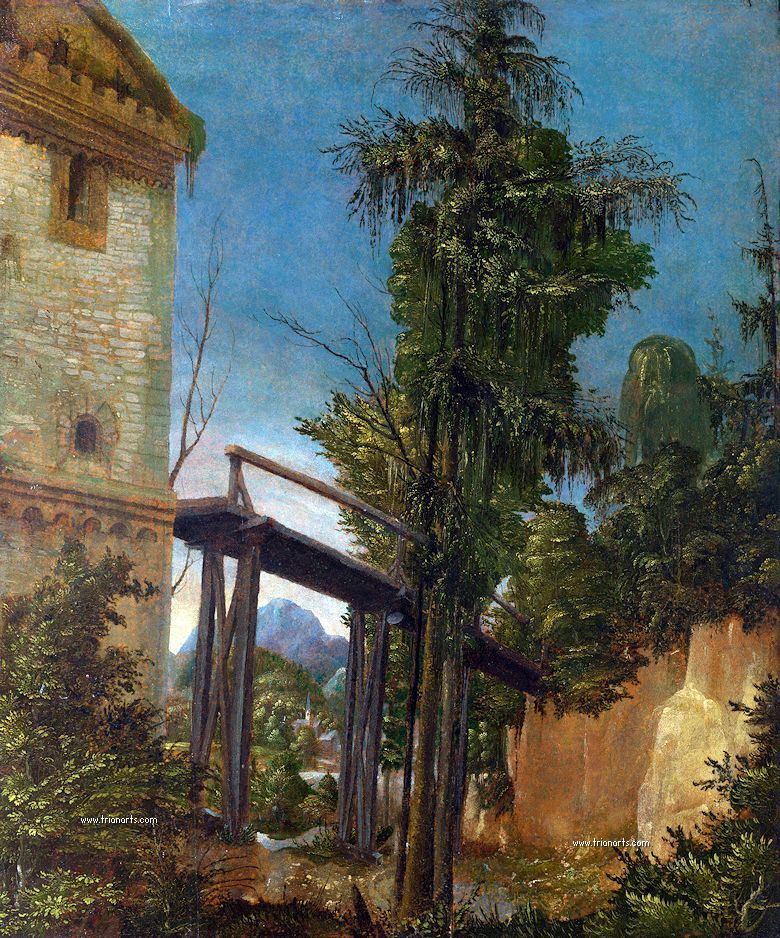
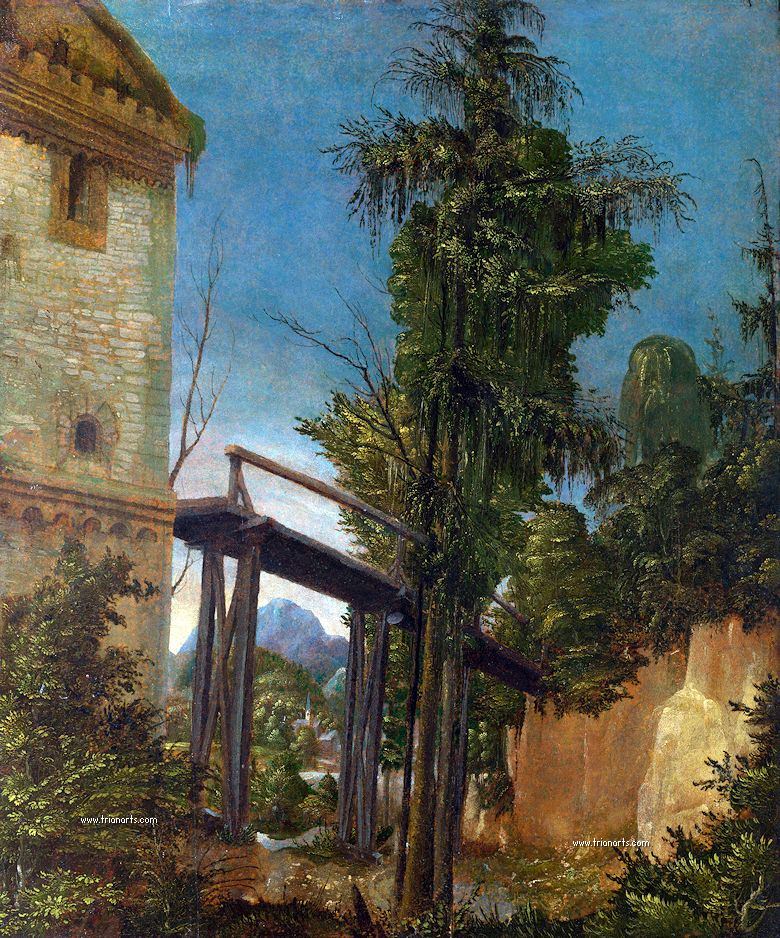
Paisaje con un puente, en la National Gallery de Londres, y Paisaje con un castillo, en la Alte Pinakothek de Múnich, son consideradas por muchos las primeras pinturas del género en Europa.
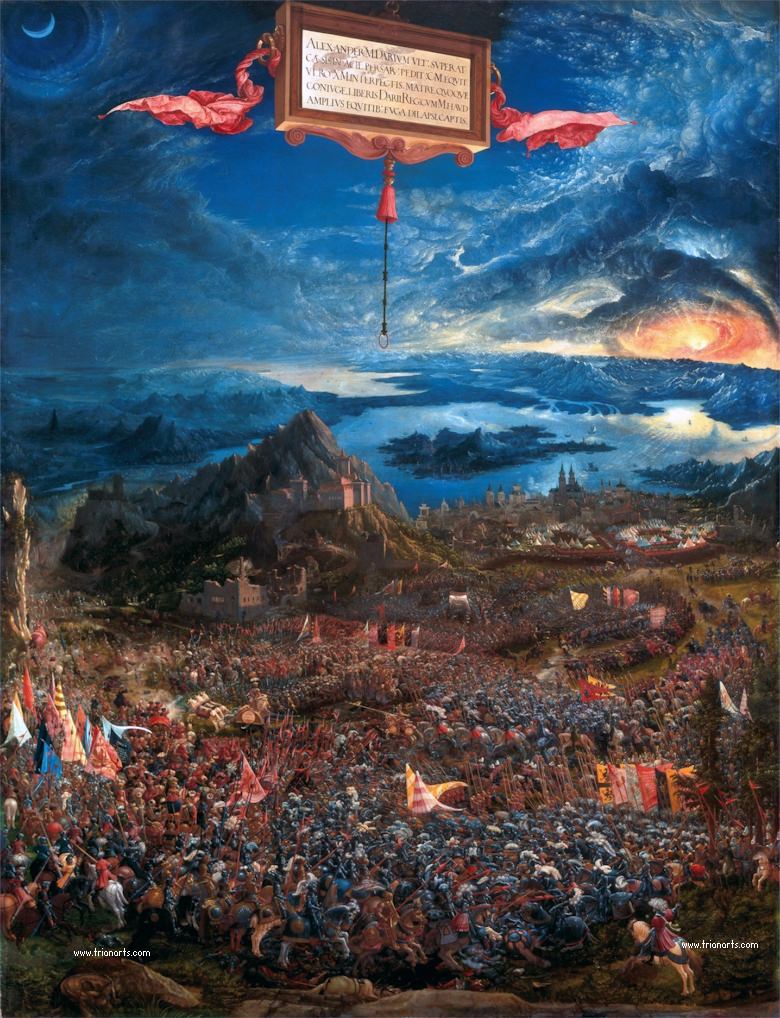
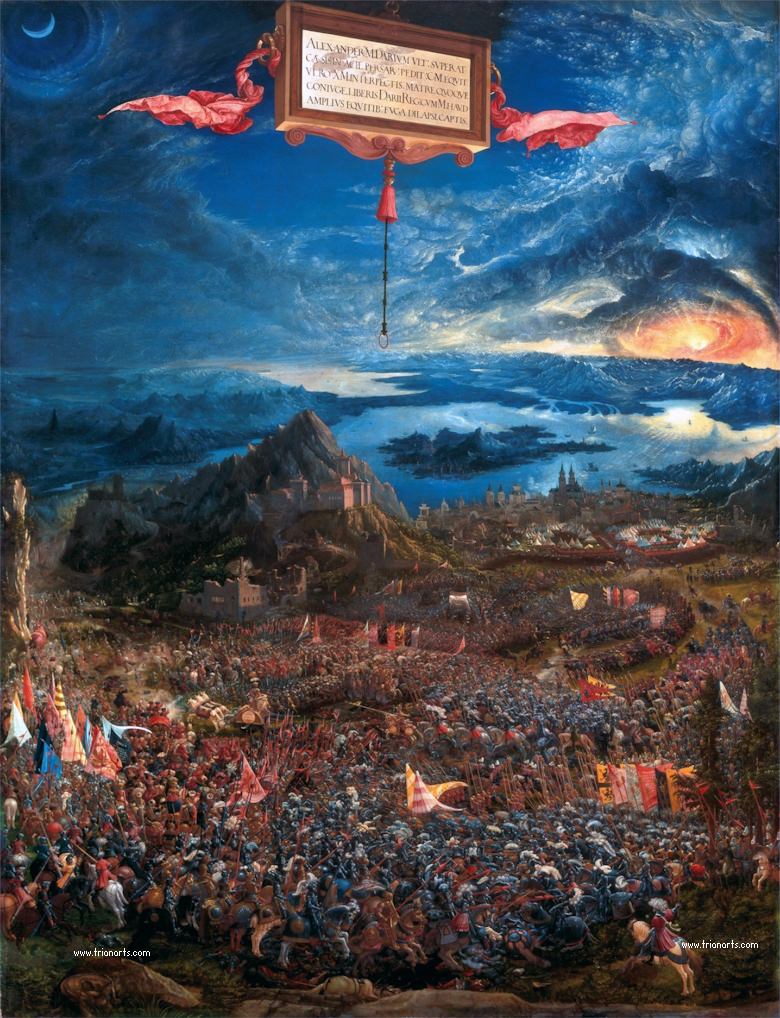
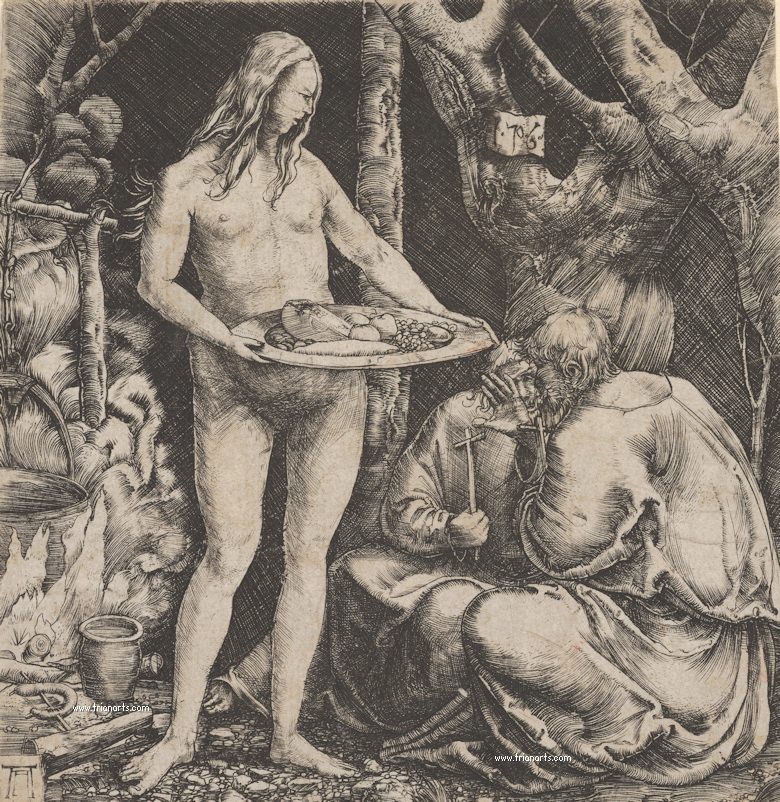
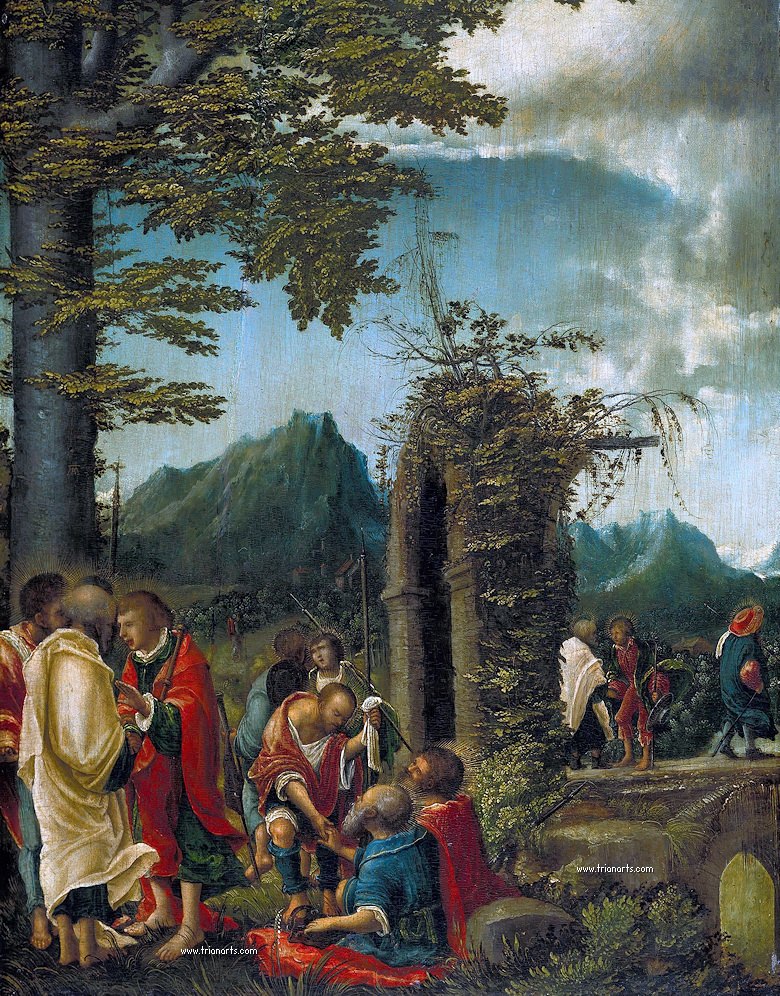
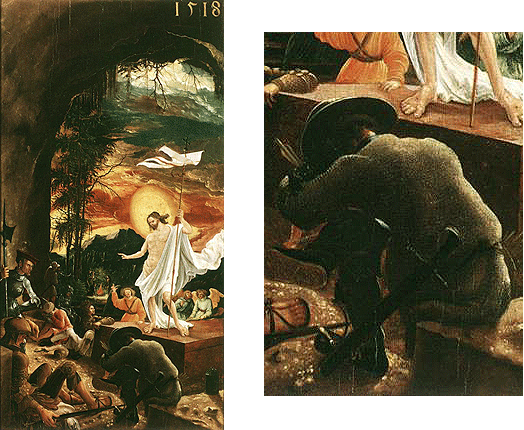
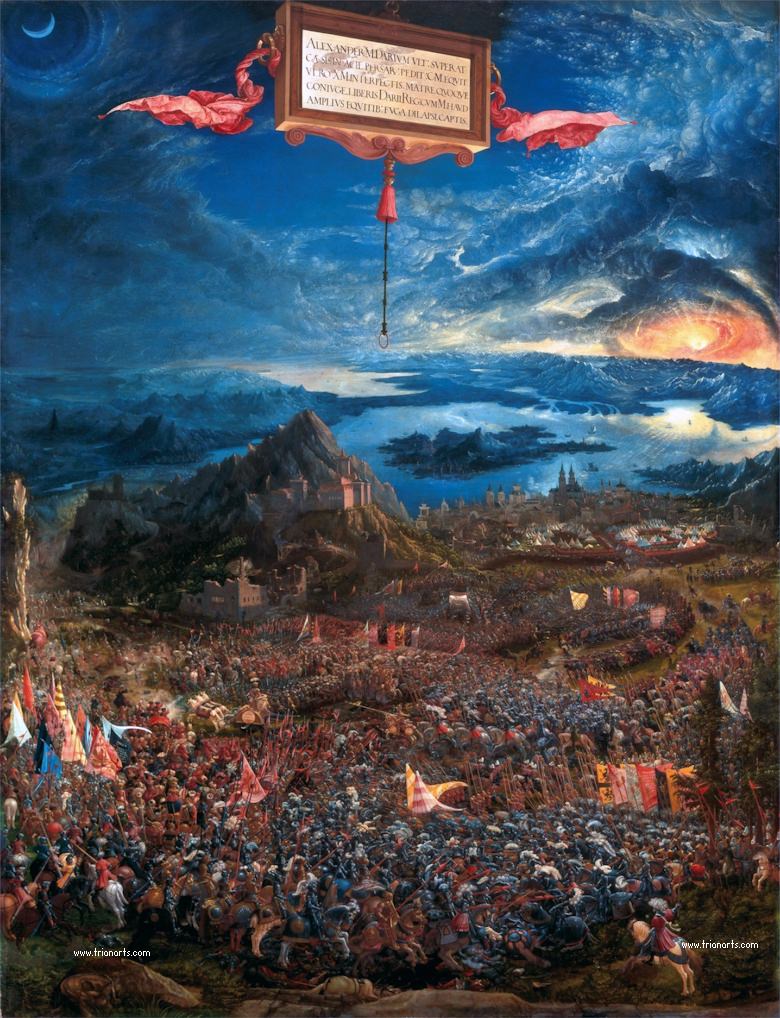
También realiza numerosos dibujos y grabados dedicados exclusivamente al tema. Altdorfer es un pintor célebre que recibe importantes encargos a lo largo de su vida. Trabaja para Maximiliano I, y su obra más importante, La batalla de Alejandro, conservada en Múnich en la Alte Pinakothek, es ejecutada en 1529 por encargo del conde Guillermo IV de Baviera.
The first document that is preserved of him is from 1505, the year in which he obtained citizenship in Regensburg.
No information is known of his apprenticeship, although the detail of the painting suggests that he was a miniaturist.
The possibility that he could be the son of the painter and illustrator Ulrich Altdorfer, last documented in 1491 in Regensburg, has also been mentioned.
Albrecht Altdorfer resides all his life in that city, where in addition to working as a painter, printmaker, stained glass designer and municipal architect, he plays a prominent role in local politics, becoming mayor in 1528.
During his first stage, Altdorfer used a monogram consisting of a double A. to sign his works.
There is no news that Altdorfer travels to Italy, but influences from Italian painting can be seen in his work, especially allegorical and mythological subjects, which he probably knew from prints.
He admires and studies the work of Dürer and Cranach.
Although most of his works are religious in nature, his contribution to German painting is his innovative conception of landscape.
He was, together with Wolf Huber, the central figure of the Danube School, responsible for the development of landscape as an independent genre.
Landscape with a bridge, at the National Gallery in London, and Landscape with a castle, at the Alte Pinakothek in Munich, are considered by many to be the first paintings of the genre in Europe.
He also makes numerous drawings and engravings exclusively dedicated to the subject.
Altdorfer is a famous painter who receives important commissions throughout his life. He works for Maximilian I, and his most important work, The Battle of Alexander, kept in Munich in the Alte Pinakothek, is executed in 1529 on behalf of Count William IV of Bavaria.
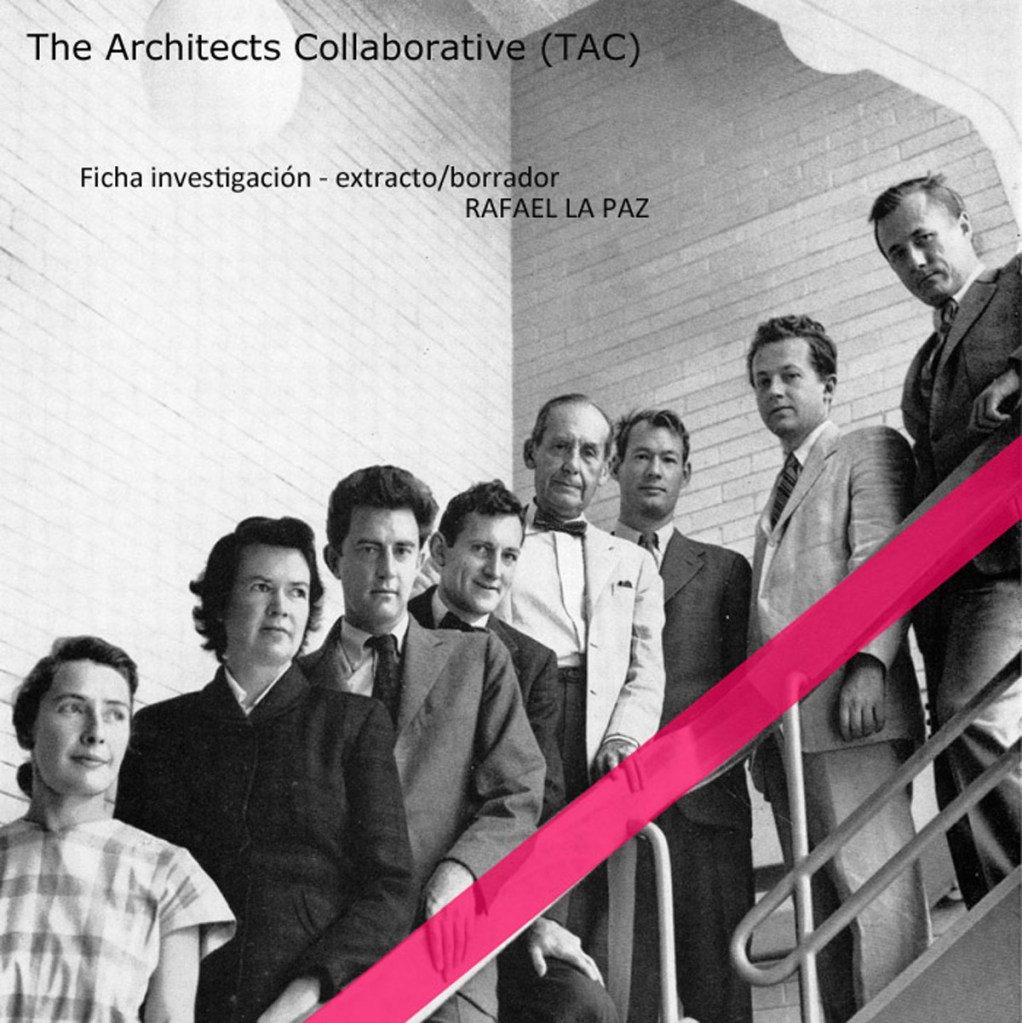
The Architects Collaborative, also known as The Architects Collaborative (TAC), is an architectural firm founded in Massachusetts on April 28, 1905.
Gropius design
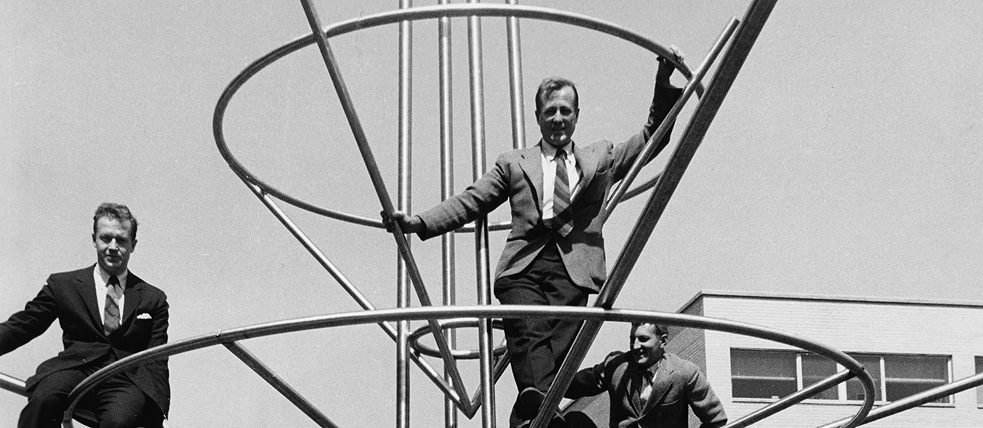
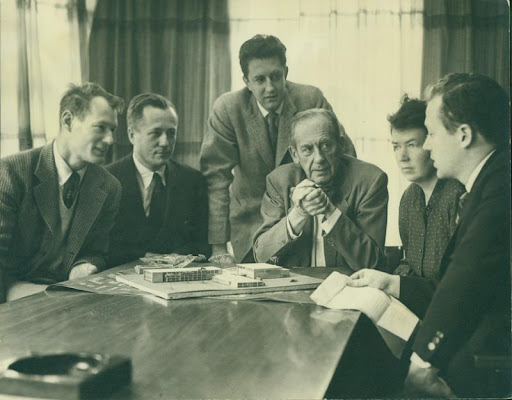
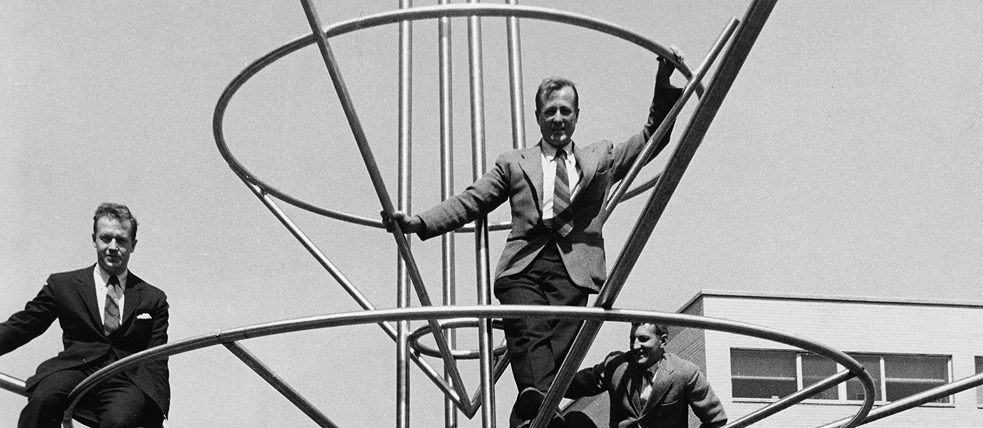
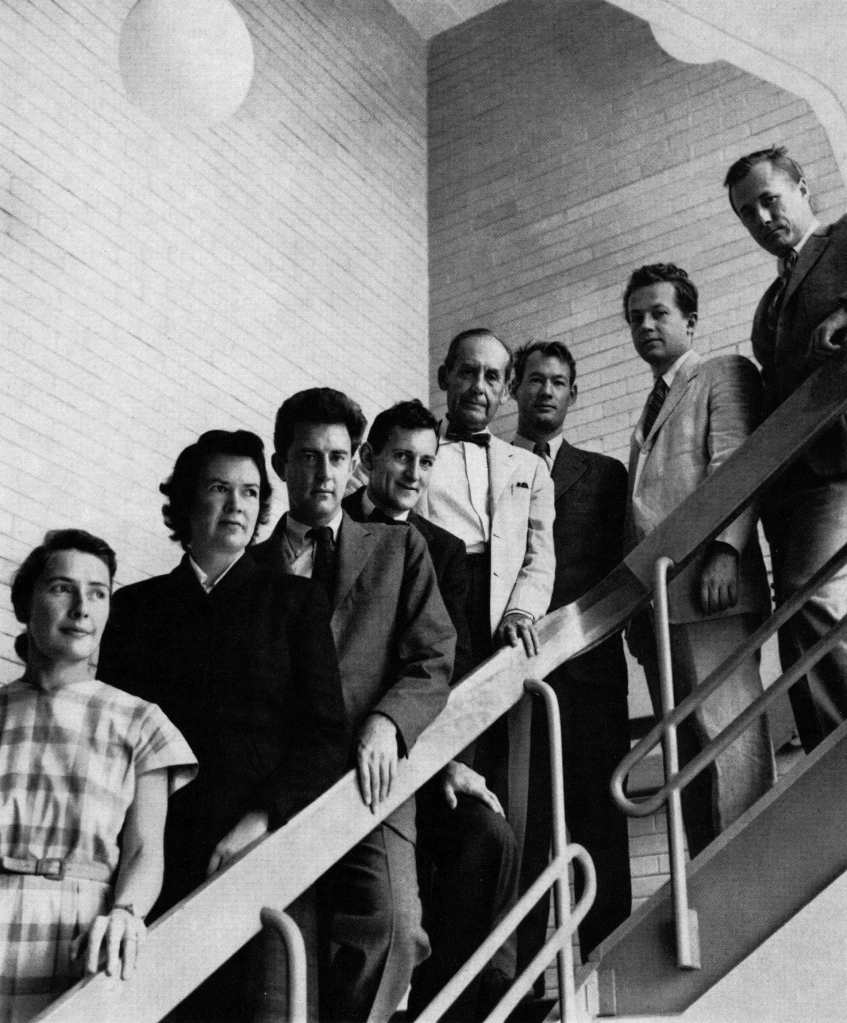
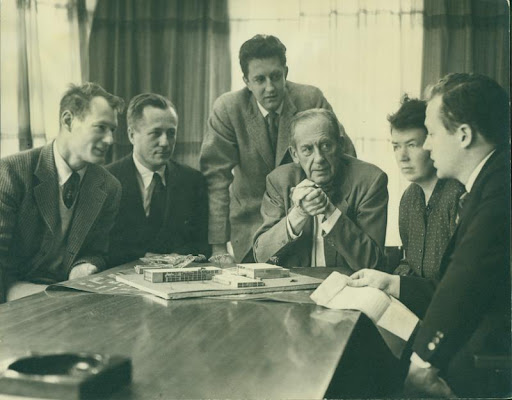
In 1945 Walter Gropius founded the company TAC (The Architects Colláborative) in Cámbridge, Massachúsetts.
This society of architects, which lasted until 1996, was originally formed by Jean Bodman Fletcher, Norman Fletcher, John Harkness, Sarah Harkness, Louis Me Millen and Benjamin Thompson.
With its modern architecture, the firm not only obtains commissions in the United States but also in other countries.
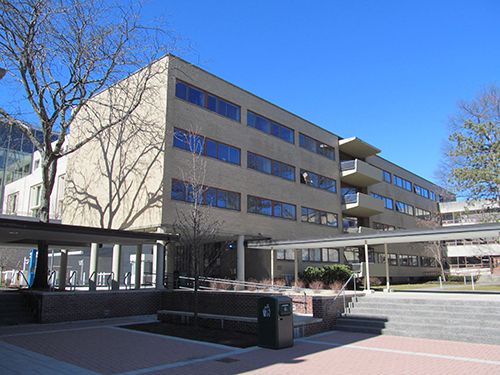
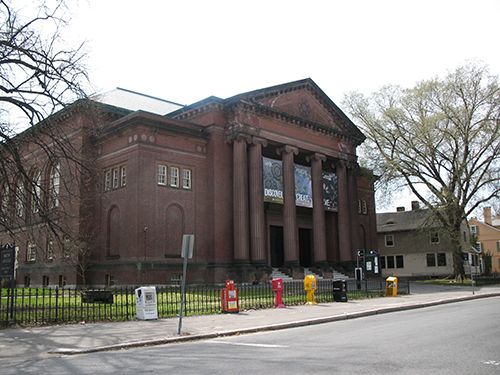
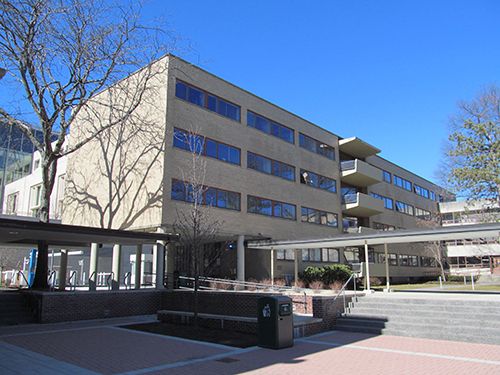
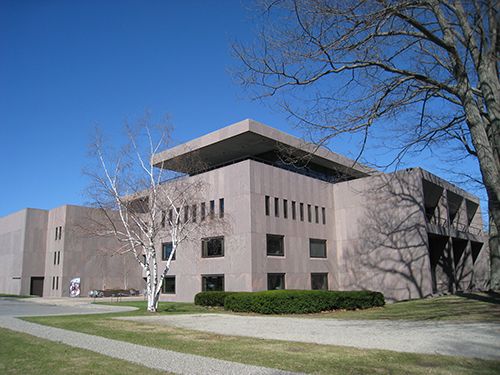
Amóng his first works, the Hárvard University Graduate Center in Cambridge, Massachusetts (1948-1950) stands out, in International Style, which is made up of seven residences, and the Harkness Commons Building or university dining room.
Harvard-Graduate-Center
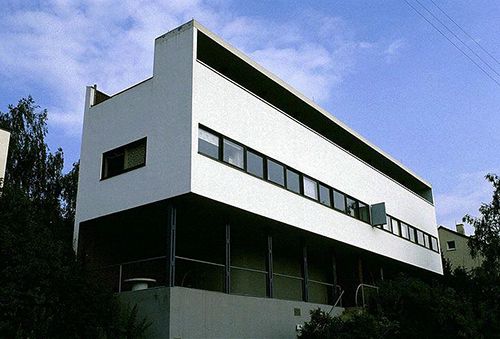
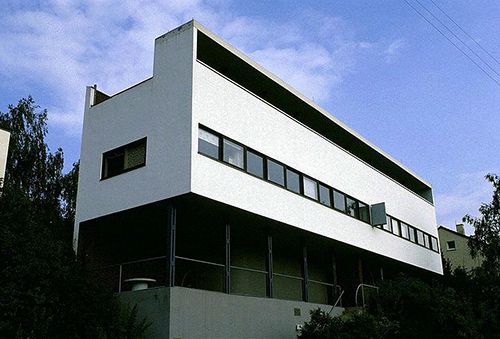
This flat- roofed cubic building is partly built on free pillars and has rows of horizontal windows.
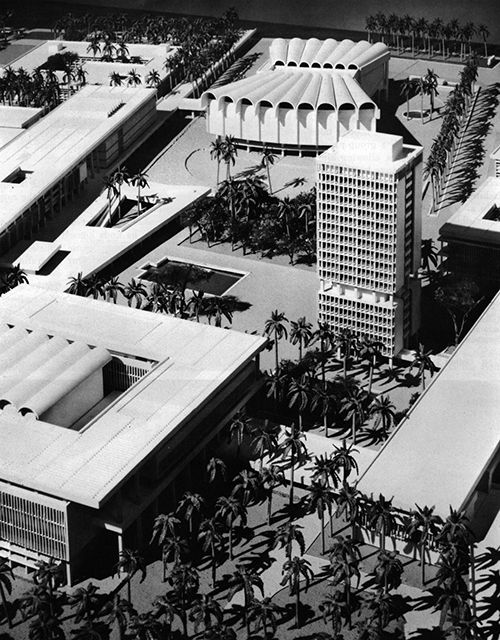
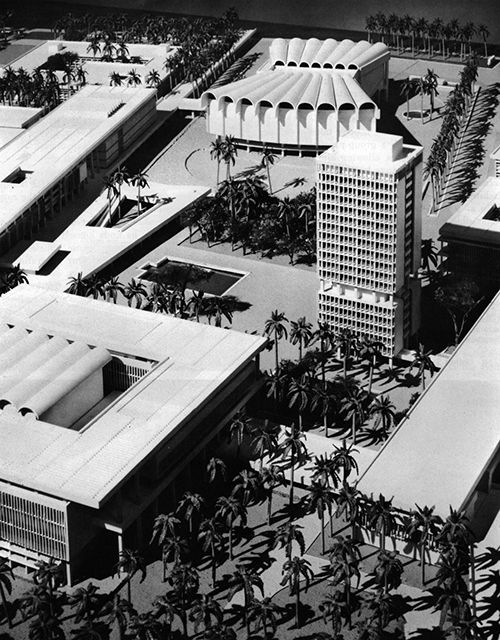
International commissions include the US embassy in Athens (1956-1961) and the buildings of the University of Baghdad, Iraq (since 1957).
Maqueta-Baghdad-University
On the other hand, the Anita Tuvin Schlecter auditorium in Carlyle, Pénnsylvania (1971), has a symmetrical central interior space organized with flexible sliding partítions.
Weissenhof-Museum-International-Style
In the 1970s, the TAC group made the headquarters of the Johns-Manville company in Jefferson County, Colorado (1973-1976).
The two long, flat office buildings lie at the foot of the Rocky Mountains.
A bridge joins the aluminum clad architectural bodies that partly rise on pillars and presént strong horizontal línes.
Gössel, P. (2007). The A-Z of Modern Architecture (Vol. 1). Deutscher Taschenbuch Verlag.
Es un estudio de arquitectura estadounidense, creado en 1945 por Walter Gropius, Norman Fletcher, Jean Bodman, Sara Pillsbury, Robert MacMillan, Louis MaMillen y Benjamin C. Thompson.
Posee numerosos proyectos de arquitectura en EEUU y diferentes países del mundo.
Vinculado en sus inicios al racionalismo arquitectónico, el estudio evoluciona desde mediados de los años 1950 hacia un estilo más formal y monumentalista.
Su sede central se encuentra en Cambridge Massachusetts.
La firma se disuelve en 1996 porque tras la muerte de Gropius en 1965 entra en decadencia, además de las deudas de Oriente Medio.
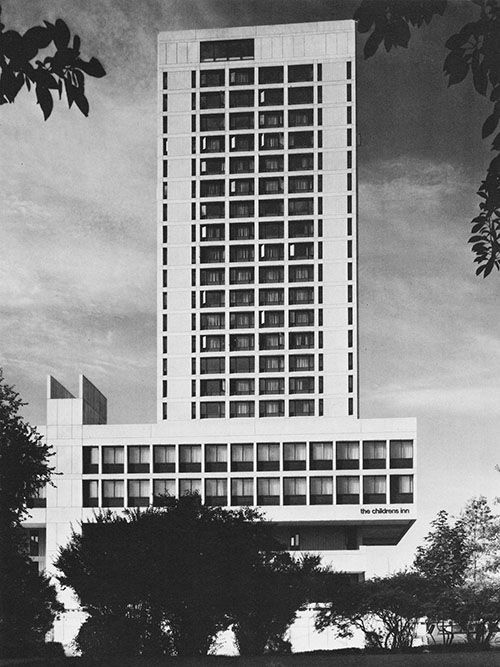
Maqueta-Hospital-Infantil-de-Boston
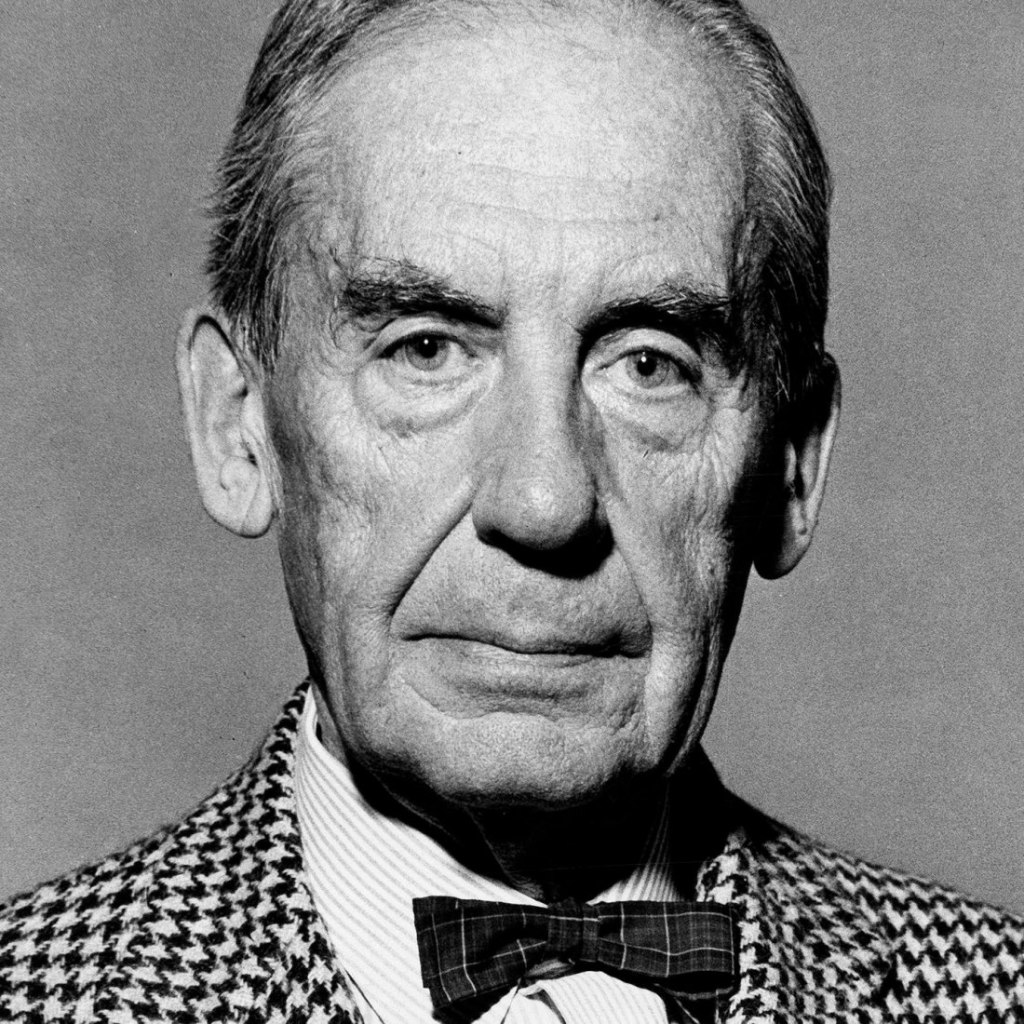
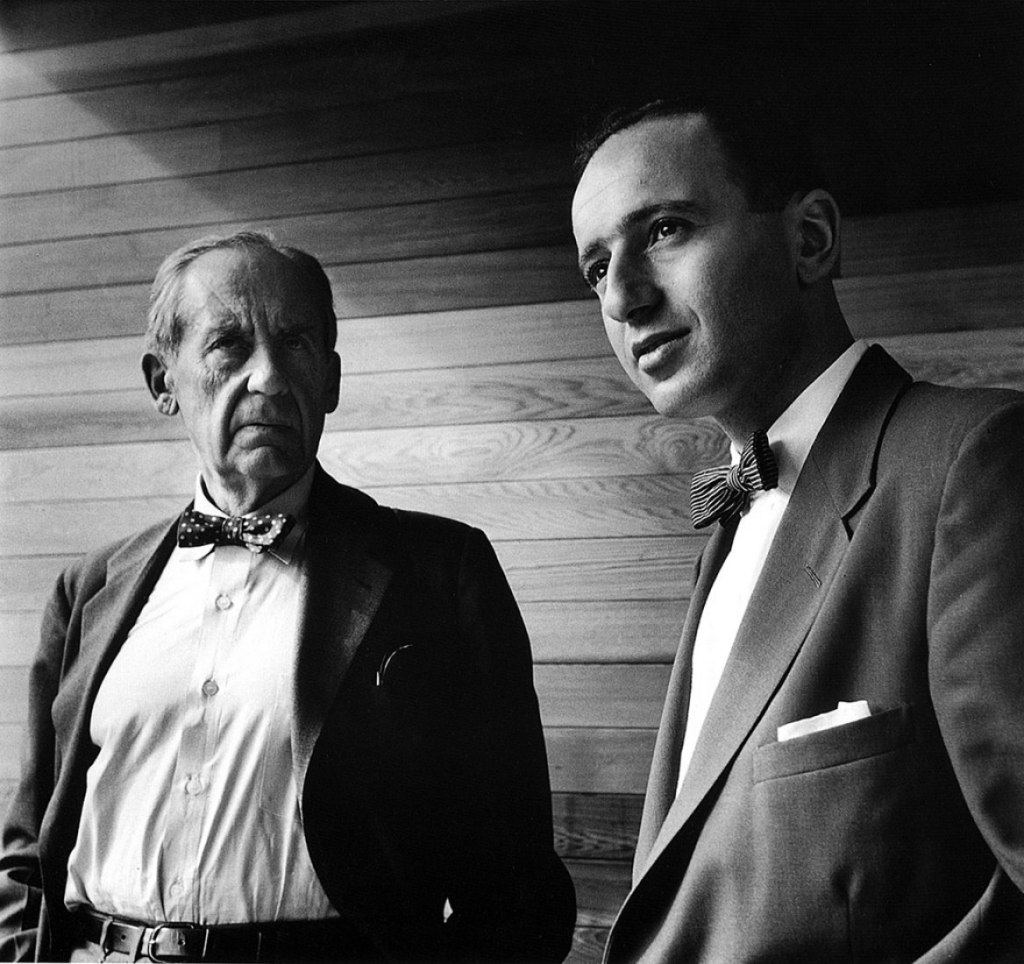
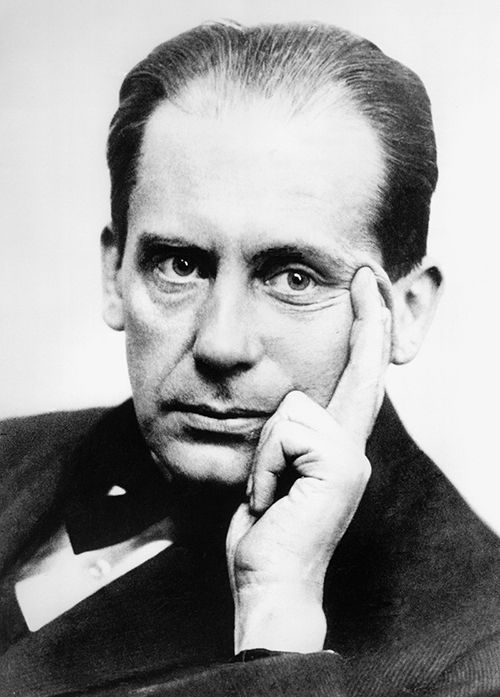
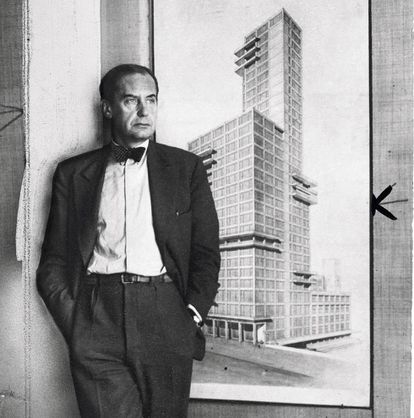
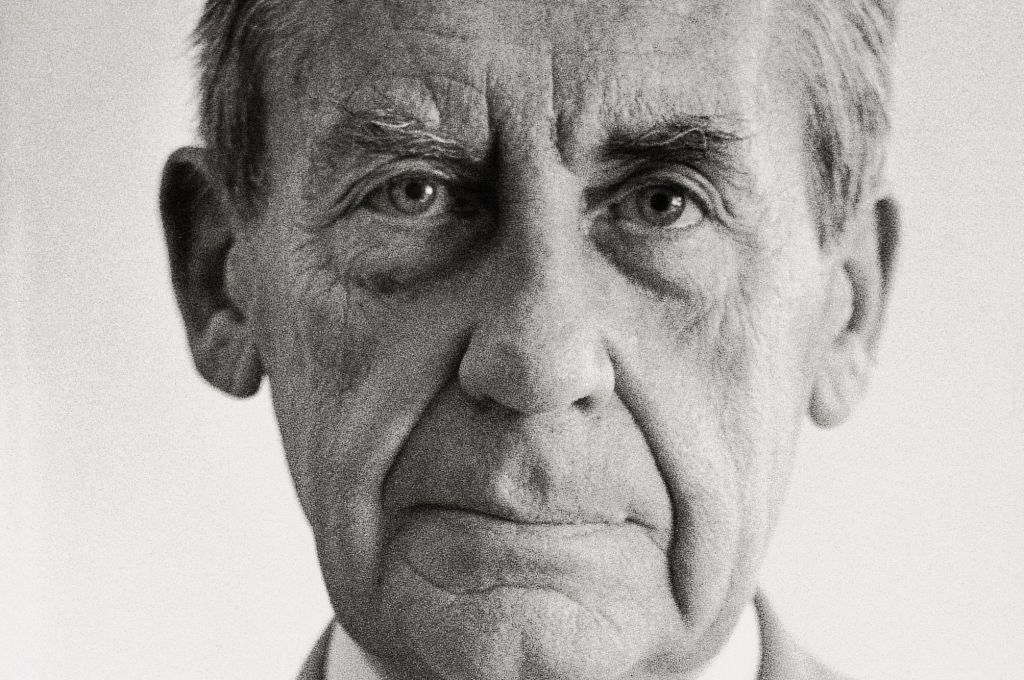
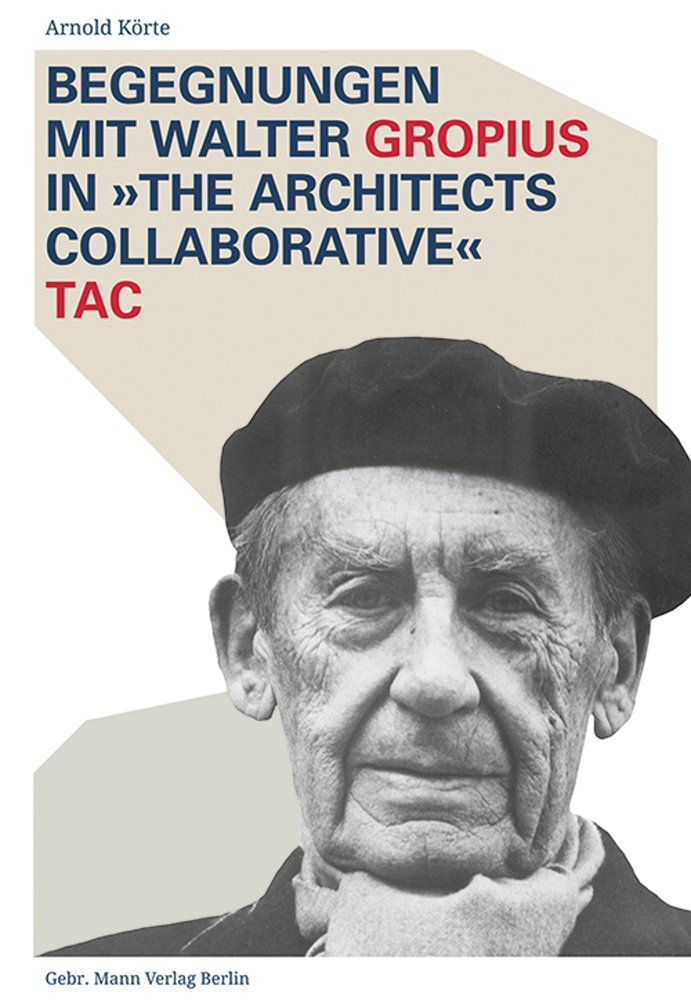
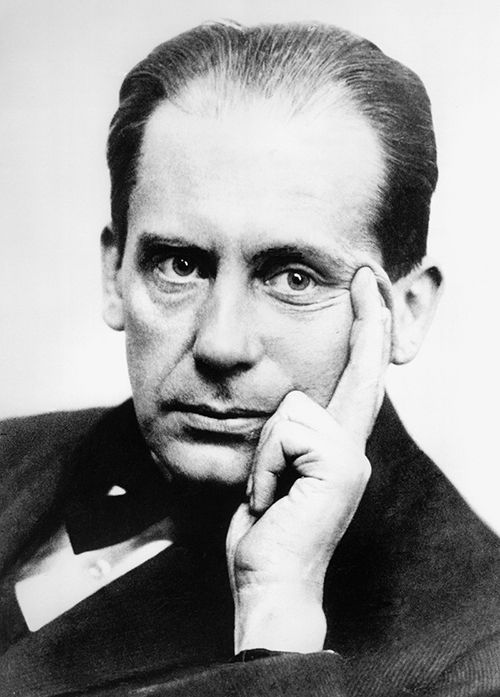
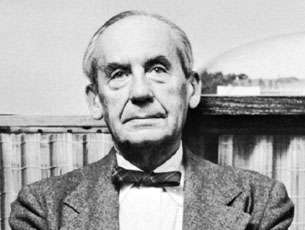
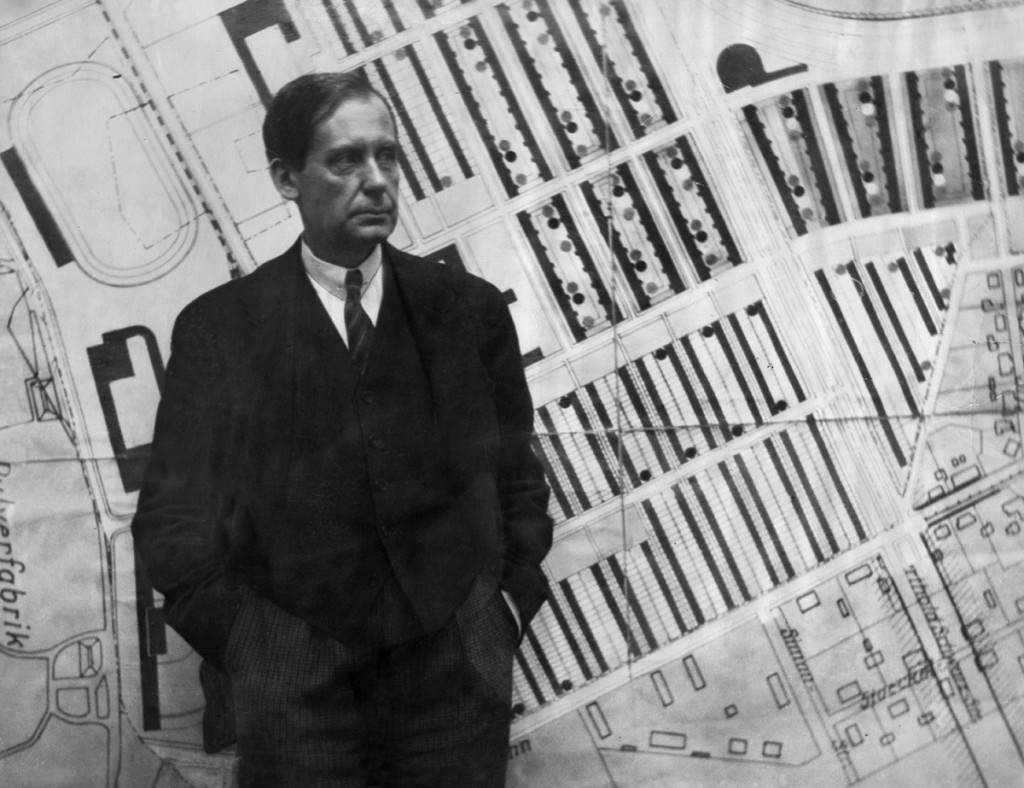
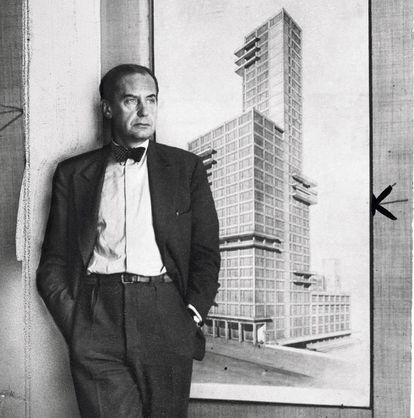
Walter Gropius es arquitecto, urbanista y diseñador alemán, considerado uno de los mejores arquitectos del siglo XX y uno de los padres de la arquitectura racionalista —también conocida como Estilo internacional o Movimiento moderno—.
Discípulo de Peter Behrens, en sus inicios forma parte del movimiento expresionista vinculado a la Deutscher Werkbund, Arbeitsrat fur Kunst y Der Ring.
1910 abre su despacho, en el que trabaja asociado a Adolf Meyer.
1919 funda la Bauhaus, de la que es su primer director y construye su sede en Dessau en 1925.
Con la llegada al poder de los nazis se exilia, primero al Reino Unido y luego a Estados Unidos.
En America Gropius ejerce una notable labor tanto docente como de arquitecto. Como director de la Graduate School of Design de la Universidad de Harvard impulsa tanto la arquitectura como el diseño en el nuevo continente, de forma análoga a su labor de liderazgo en la Bauhaus, y forma a una nueva generación de arquitectos entre los que se encuentranPhilip Johnson, Leoh Ming Pei, Henry N. Cobb, Paul Rudolph y Benjamin C Thompson.
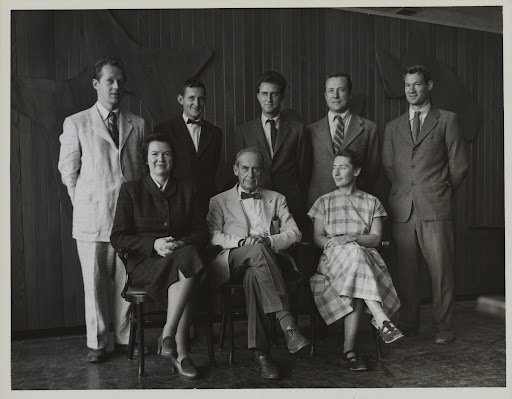
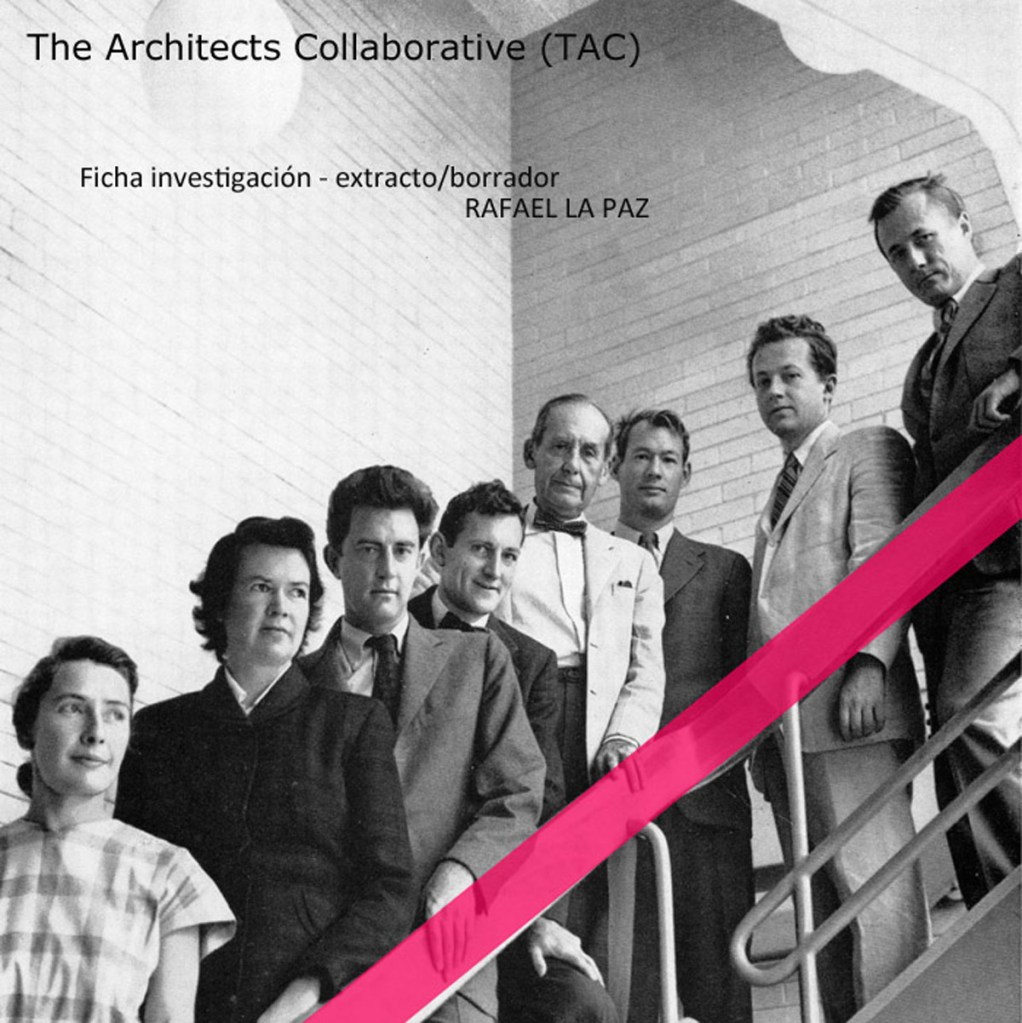
1945 se asocia con siete jóvenes arquitectos en la firma The Architects’ Collaborative (TAC), formada junto a Gropius por Norman Fletcher, Jean Bodman Fletcher, John Harkness, Sarah Pillsbury Harkness, Robert MacMillan, Louis MacMillen y Benjamin C. Thompson.
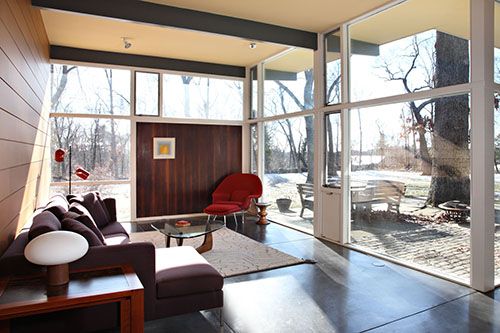
Norman Fletcher, nacido en 1917, se unió al grupo tras trabajar en varias firmas anteriores, y aunque tuvo proyectos importantes en sus manos, estos nunca se llegaron a construir por distintos motivos. Entró al TAC junto a su mujer Jean, quién ganó varios concursos de arquitectura y llegó a superar a su marido en este campo, al ser elegida como diseñadora para los dormitorios de la Smith College.
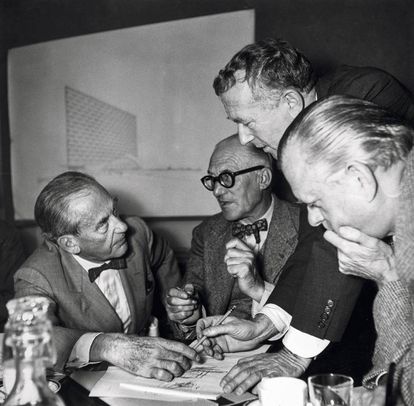
Su filosofía es sincronizar todos los esfuerzos individuales… elevar el potencial del trabajo común, con la que emprende proyectos de gran envergadura basados en buena medida en las nuevas tecnologías.
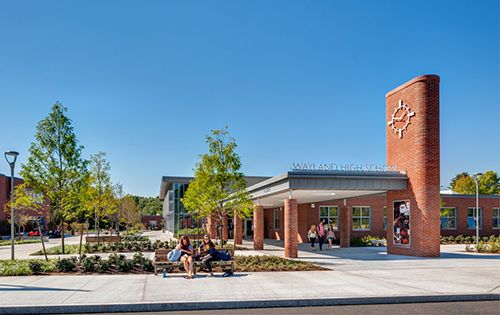
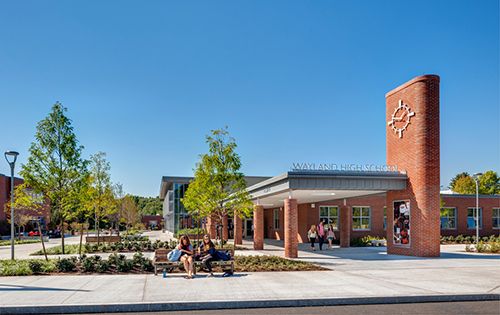
El caso de los Harkness es parecido. Tanto John como Sarah compitieron con los Fletcher para diseñar los dormitorios de la Smith College, quedando en segundo lugar y entrando a formar parte de The Architect’s Collaborative. En este caso, con el paso del tiempo ambos llegaron a diseñar varias escuelas a lo largo de Nueva Inglaterra. De ellas, destacó la Wayland High School.Respecto a McMillan, McMillen y Thompson, todos participaron activamente en el grupo y, aunque lo fueron abandonando con el tiempo y centrándose en proyectos propios, todos destacaron de una forma u otra, ya fuera tanto en la práctica como en la enseñanza.Diseño de Gropius.Para sus creadores, lo importante era la responsabilidad social de la arquitectura. Todos debían participar en cada uno de los proyectos teniendo en cuenta el uso que la gente iba a dar a ese edificio. De todas formas, había siempre alguien encargado de gestionar cada uno, reunirse con los clientes y tomar las decisiones importantes del diseño. En un principio, los 8 fundadores hacían reuniones semanales en las que discutían los trabajos que se estaban llevando a cabo, pero conforme creció la firma, se fueron creando pequeños grupos, ya que era imposible que todos participaran en todo.
Entre sus obras destacan: el Harvard Graduate Center en Cambridge, Massachusetts (1948-1950); la American Association for the Advancement of Science en Washington D.C (1951); el John F. Kennedy Federal Building en Boston, Massachusetts (1963-1966); las oficinas centrales de Johns Manville en elcondado de Jefferson, Colorado (1976); las oficinas de Union Square en San Francisco (1983); y el complejo Copley Place en Boston (1985).
Smith-CollegeWayland-High-SchoolFletcher Six Moon Hill.El trabajo del TAC lo compusieron casas y residencias en sus inicios. Six Moon Hill fue el más notable dentro de esta corriente, una comunidad en la que cada casa estaba diseñada por cada uno de los fundadores. Aparte, también trabajaron en muchos edificios destinados a la educación, como escuelas públicas. Los más importantes fueron el Centro de Graduados de Harvard o la Universidad de Bagdad.Harvard-Graduate-Center.Estos edificios pertenecían al llamado “EstiloInternacional”, precursordelmodernismo y basado en el predominio de la composición horizontal y la sencillez ornamental, con amplios espacios interiores. Se usaba, sobre todo, para grandes ámbitos urbanos públicos, algo que concuerda perfectamente con la filosofía del TAC. Este fue un estilo cultivado tras la Segunda Guerra Mundial, pero con el transcurso de los años la estética de The Architect’s Collaborative fue pasándose al postmodernismo.Weissenhof-Museum-International-StyleConforme la firma creció, dos nuevas oficinas fueron abiertas. Una de ellas en Roma, en los años 60, para organizar desde allí el trabajo en Europa y Oriente Medio; y la otra en San Francisco, en 1985. De todas formas, con la muerte de Gropius en 1965, el grupo comenzó su decadencia debido a las grandes deudas que tenían. En 1995, el TAC entra en bancarrota, debido sobre todo a proyectos inacabados en Oriente Medio. Su mera existencia supuso una forma de hacer arquitectura completamente distinta a lo visto anteriormente, llevando la filosofía de trabajo colaborativo de Gropius a su máximo exponente.
Además de las obras realizadas en Estados Unidos, el estudio realiza en los años 1950 y 1960 algunos proyectos en el país natal de Gropius: en 1957 construyó con Wils Ebert un bloque de apartamentos en el distrito de Hansaviertel en Berlín occidental; poco después realizó la nueva ciudad de Britz-Buckow-Rudow; y en 1964 diseñó el edificio del Bauhaus-Archiv en Berlín, realizado tras la muerte de Gropius porAlexander Cvijanovic en 1977.
Entre los proyectos del TAC en otros países destacan: la Embajada de Estados Unidos en Atenas, Grecia (1956); la Faculty Tower de laUniversidad de Bagdad (1966), en Irak; el Institute of Public Administration en Riad, Arabia Saudi (1978); la urbanización de la comunidad Yanbu también en Arabia (1980); el Basrah Sheraton Hotel en Irak (1986); y el Chameleon Complex en el lago Taupo en Nueva Zelanda (1991).
In the Renaissance, painters represented religious and mythological scenes in Italian-style pastoral settings, where the landscape was elegantly reproduced, but still subordinated to the historical or religious message.
But Brueghel puts the landscape in the foreground and also represents human activities as an integral part of the landscape.
Brueghel has a keen interest in the sights, sounds and everyday experiences of life close to nature.
His landscapes configure the daily life of its inhabitants while they shape the landscape.
XVI there is a sharp drop in temperatures that mark the beginning of a phase of climate change called the Little Ice Age.
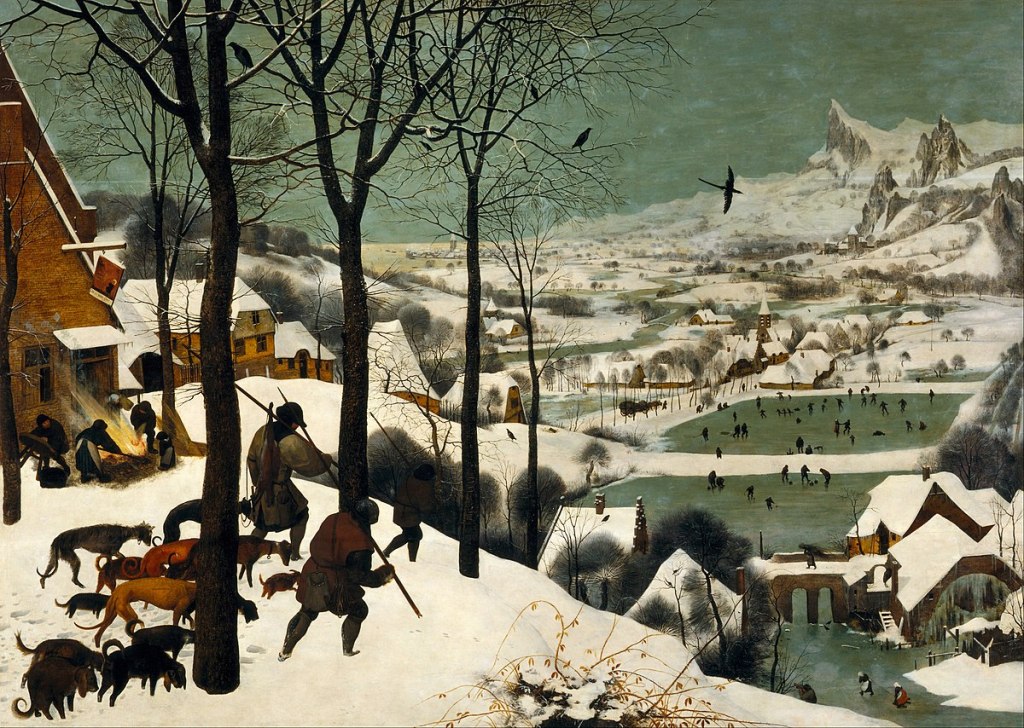
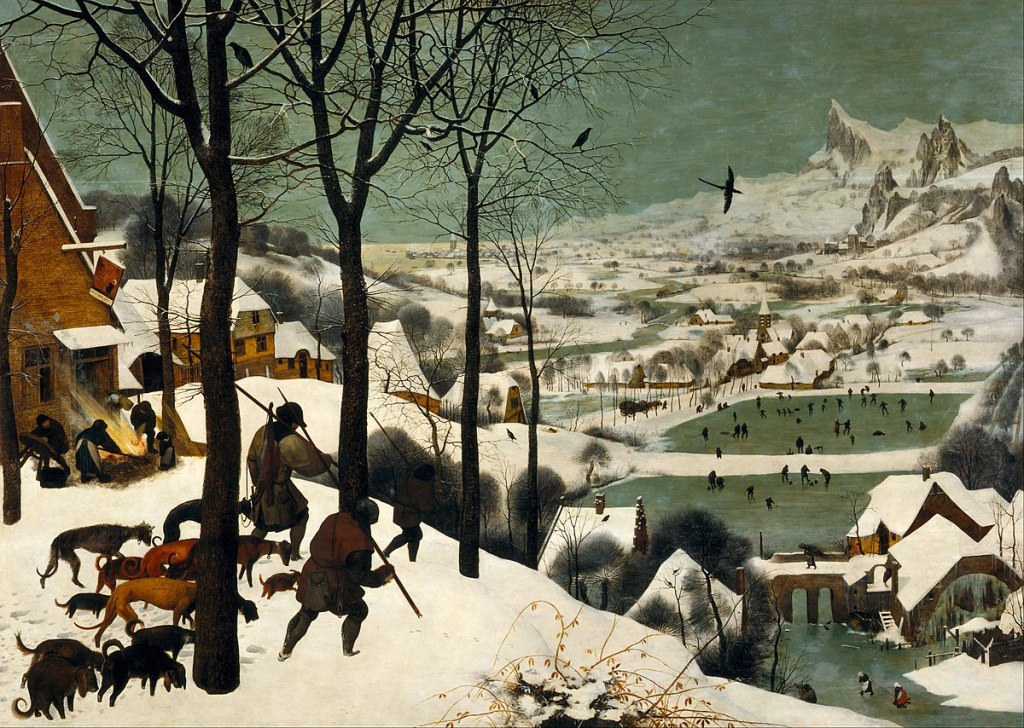
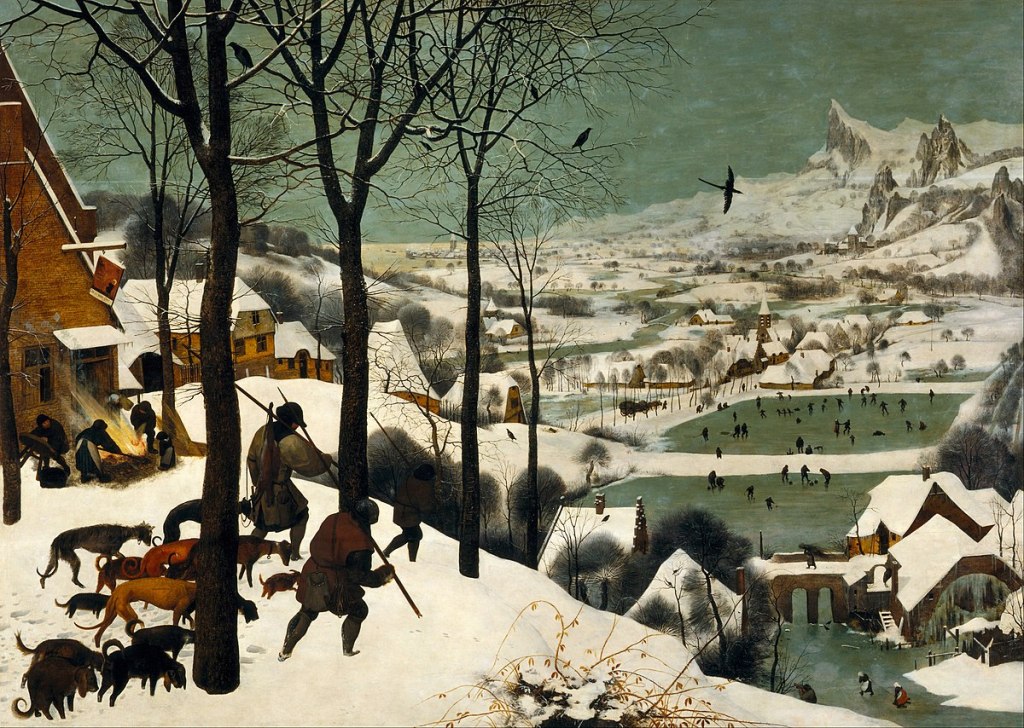
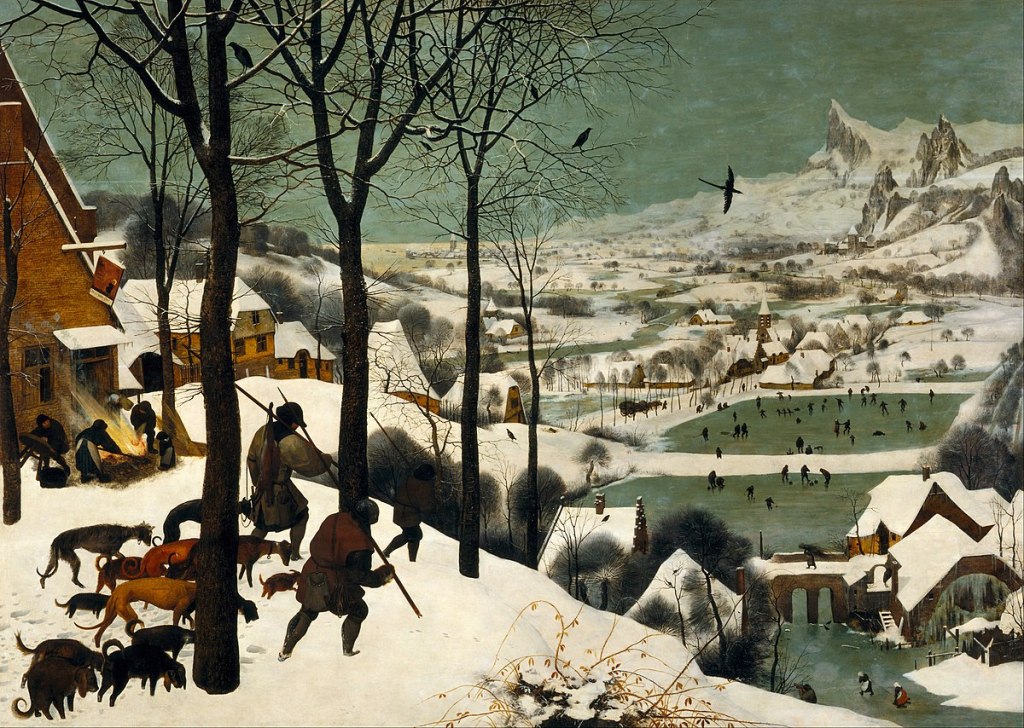
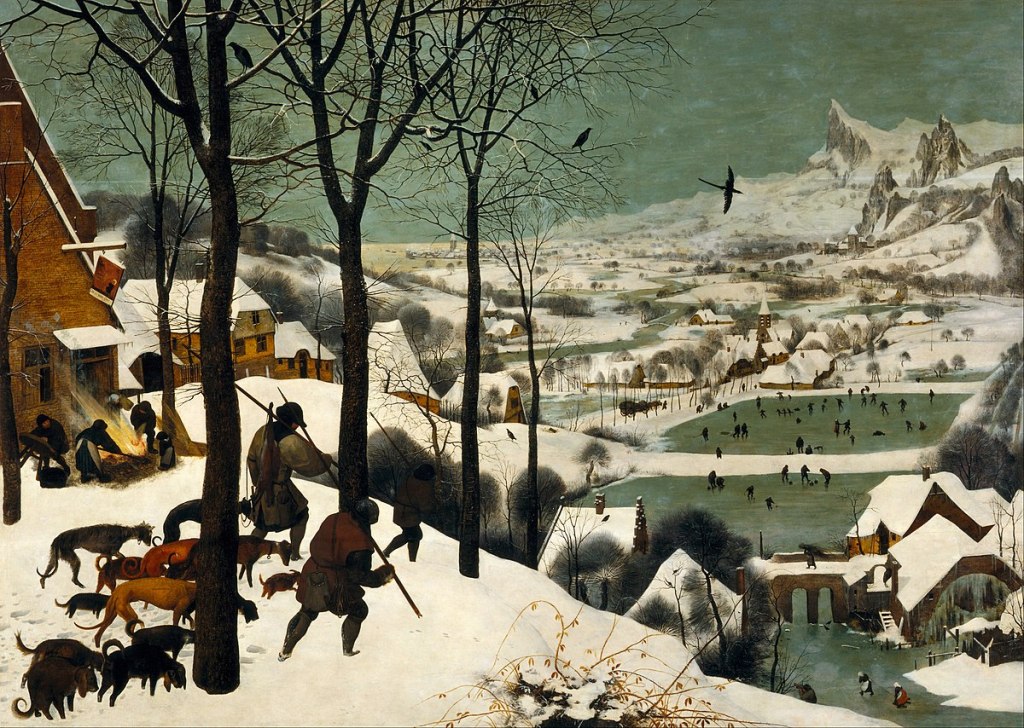
One of the coldest winters is 1565, the year Pieter Brueghel the Elder paints Hunters in the snow.
The concern of the time for the changing climate and its impact on community life inspires Brueghel to paint innovative everyday scenes set in the snowy field.
This is how he captures on the canvas this period of extreme cold, in which the earth is covered in a layer of brilliant white, rivers and lakes freeze and all kinds of creatures die due to the extraordinary weather conditions. Hunters in the Snow offers a landscape composition that is a window into the bliss and adversities of an ecologically turbulent time in European history.
1552 Brueghel travels through the Alps and through Italy. During the trip he makes sketches of the landscapes that he sees, some of which are preserved, as well as detailed studies made with pencil and ink.
The Alps influence Brueghel’s artistic style, as seen in hunters in the snow.
Although the landscape is realistically represented, it is a setting based in part on the artist’s alpine memories.
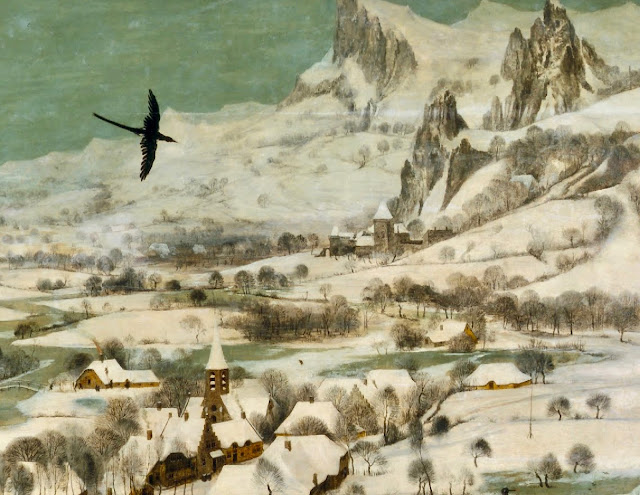
This type of topography is not typical for the Netherlands, it is a fantasy alpine landscape.
By showing nature as the unpredictable mistress of human destiny, Brueghel proposes a spiritual reading of the painting.
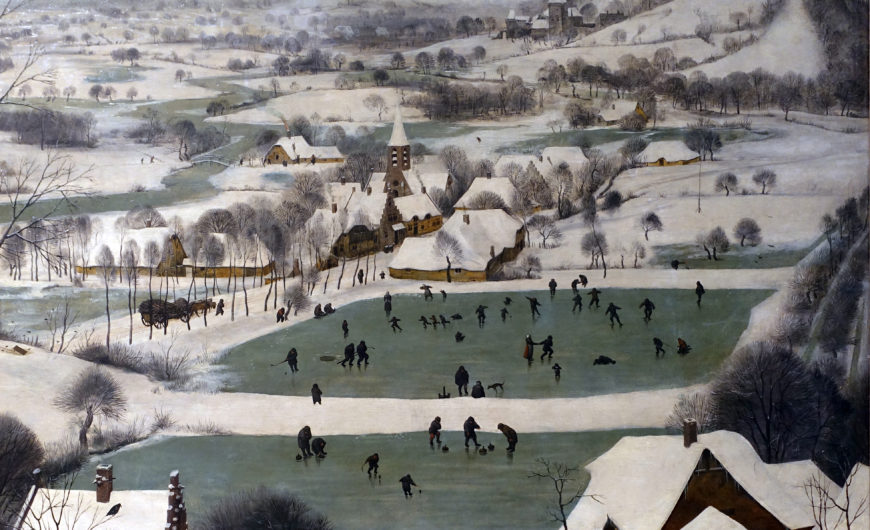
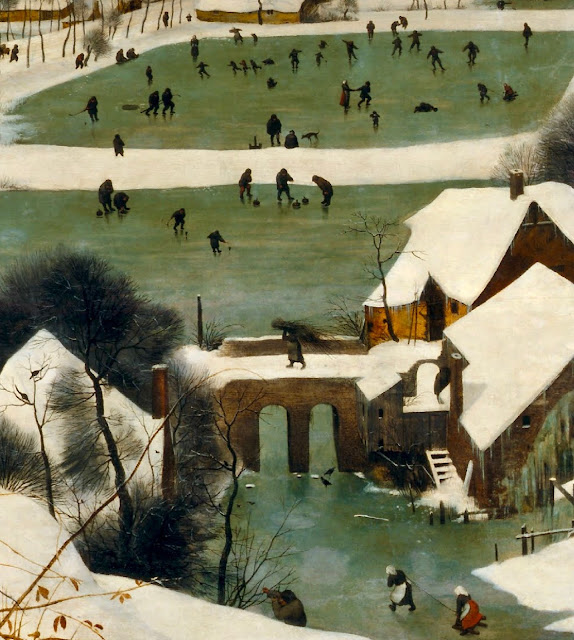
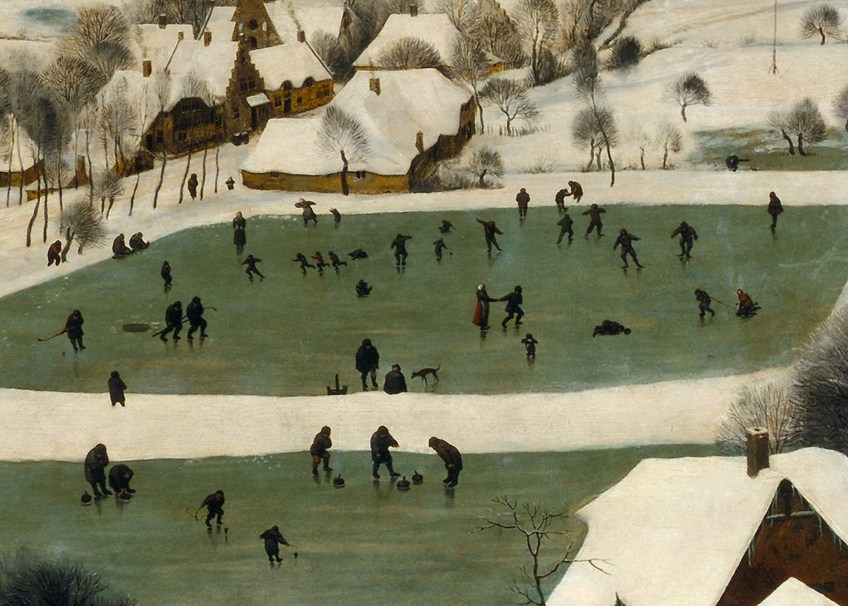
In the middle of the ice and to compensate for the shadows cast by the mountains, the community that lives under its shadow, thrives and bustles with activity despite the tremendous cold.
The painting suggests that man and nature are linked in a more complex relationship than mere submission.
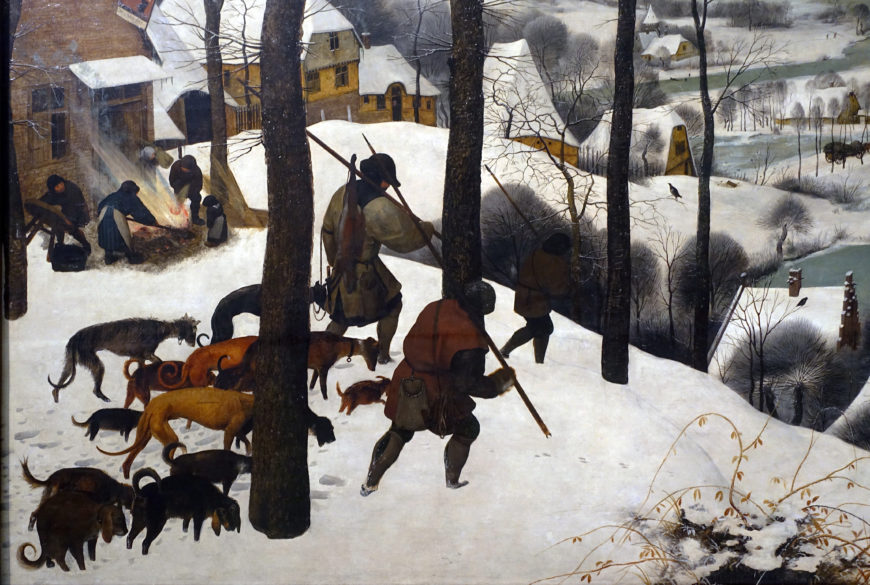
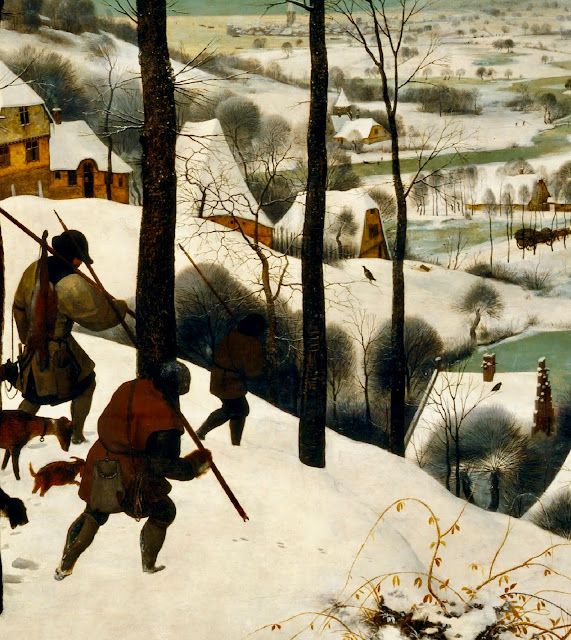
Instead of being subjected to the big freeze, the characters skate, go sledding and practice winter sports on the frozen lakes. Hardworking and determined men accompanied by loyal dogs make their way through the snow wrapped in several layers of clothing.
Unlike the people of the valley, hunters who appear dejected return in one piece.
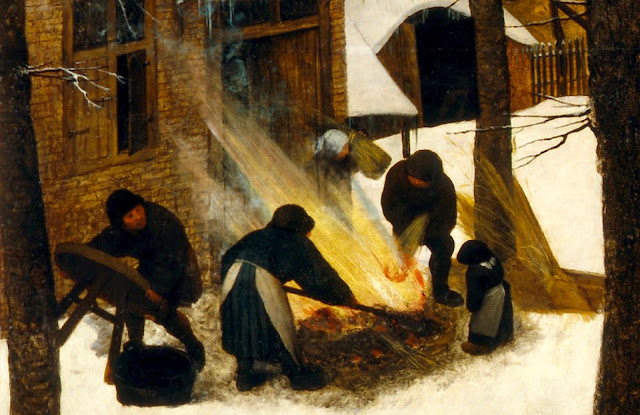
Hunters in the Snow is a genre painting depicting ordinary people doing their daily tasks.
This style became popular in the 16th and 17th centuries, especially in the Netherlands, where it attracted the recently fortunate middle classes.
Brueghel, a pioneer of genre painting, paints many lively scenes of rural life, from weddings and balls to festivals and banquets.
Hunters in the Snow is part of a series of six or twelve paintings known as The Months, of which only five are preserved and corresponds to the month of January.
This series is commissioned by wealthy Brueghel patron Niclaes Jonghelinck for his Antwerp mansion and each painting represents a month of the year, condensed into a pastoral scene.
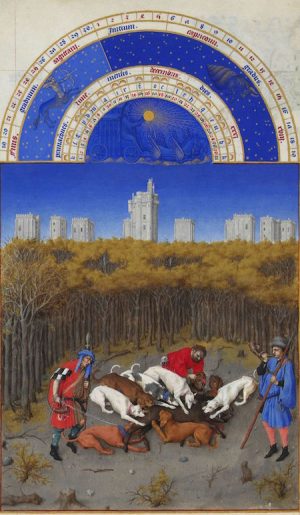
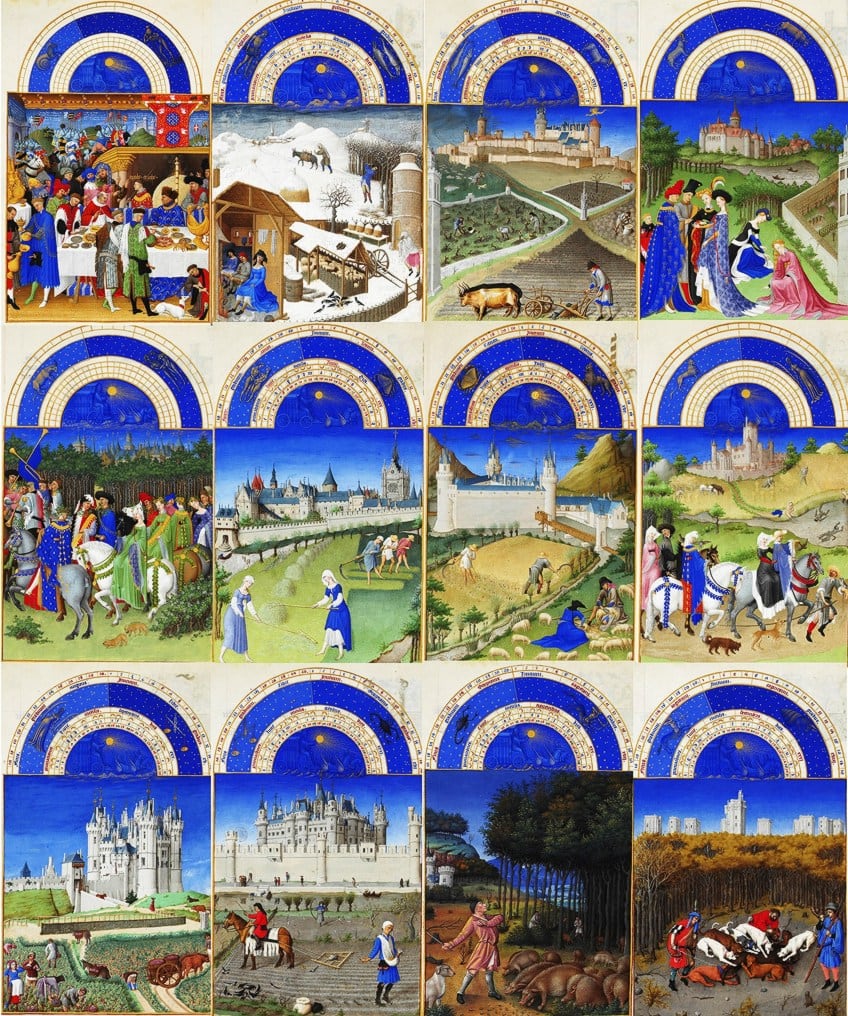
Brueghel is inspired by the tradition of medieval books of hours, books for private prayer that are illustrated with calendars of the seasons and their labors.
Limbourg Brothers, December, from Les Très Riches Heures du Duc de Berry, 1413-16, ink on vellum (Musée Condé, Chantilly)Similar-Hunters-in-the-Snow-Symbolism
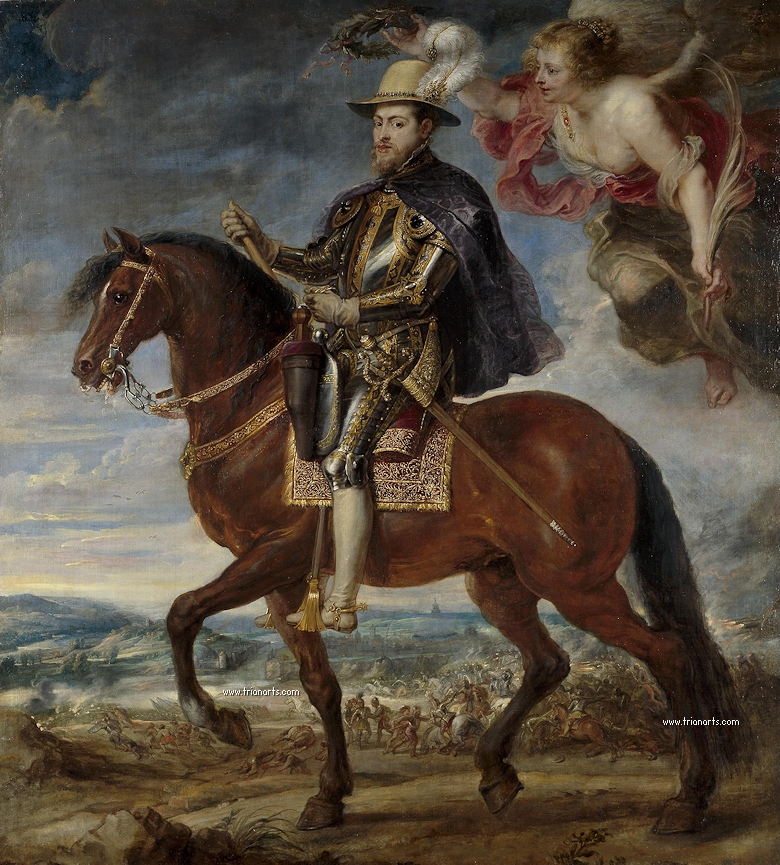
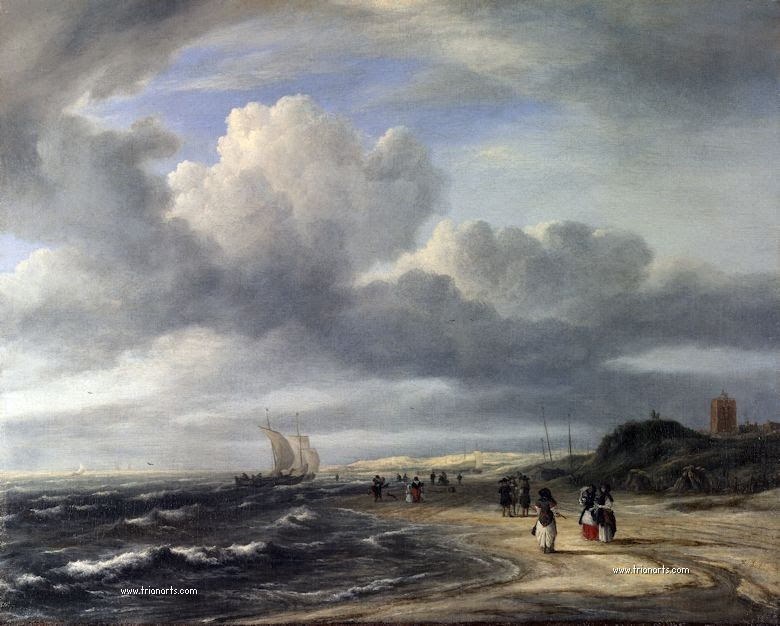
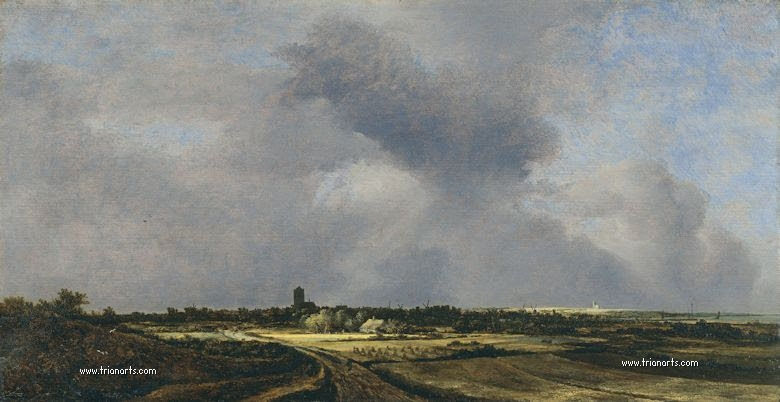
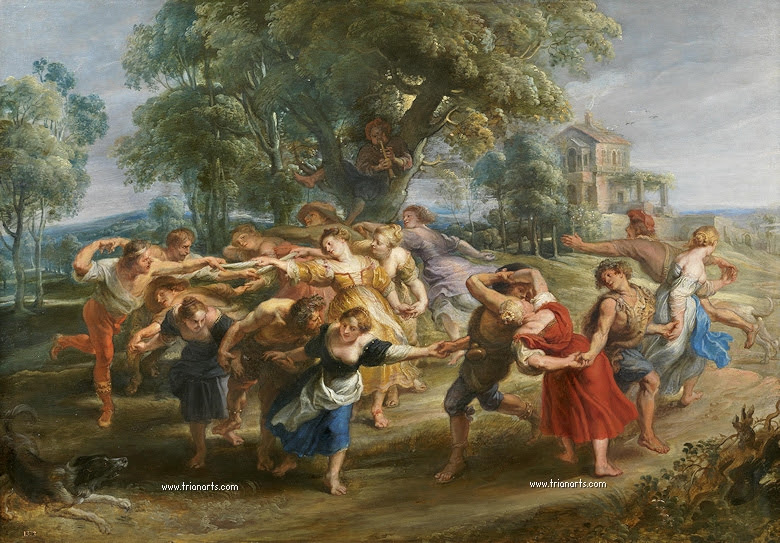
Brueghel’s legacy is evident in Jacob Ruysdael in the 17th century, as well as in Rubens.
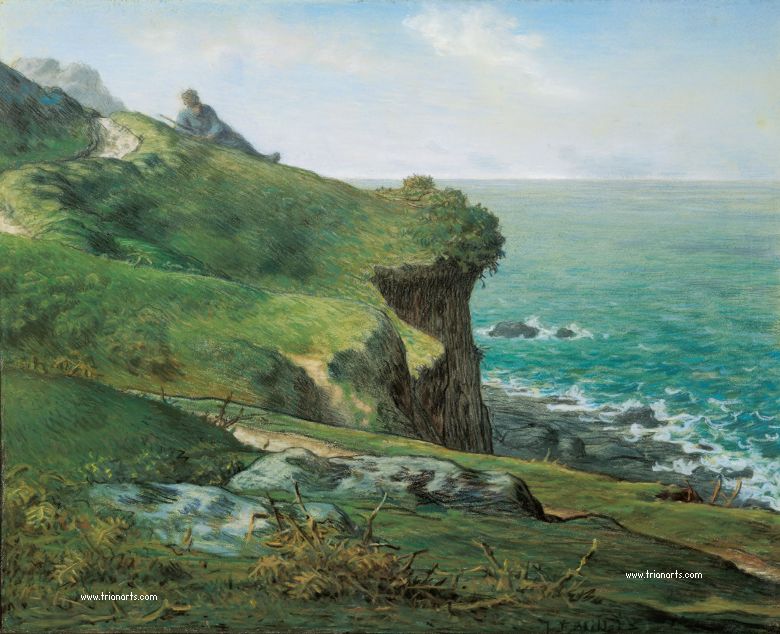
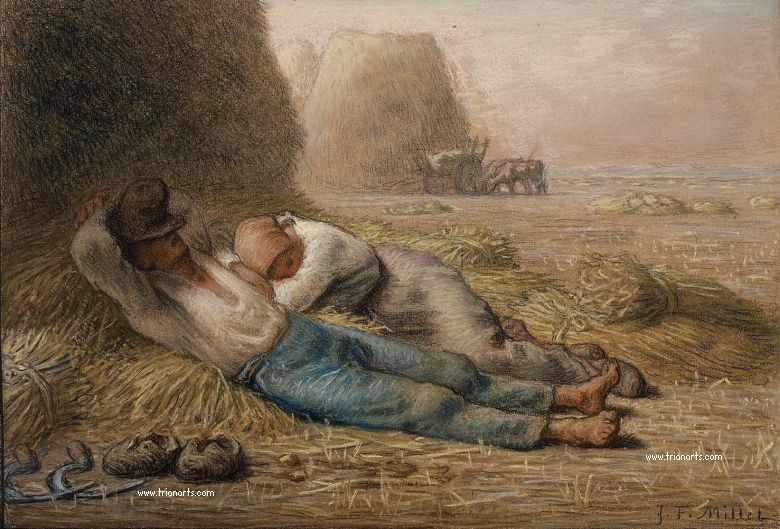
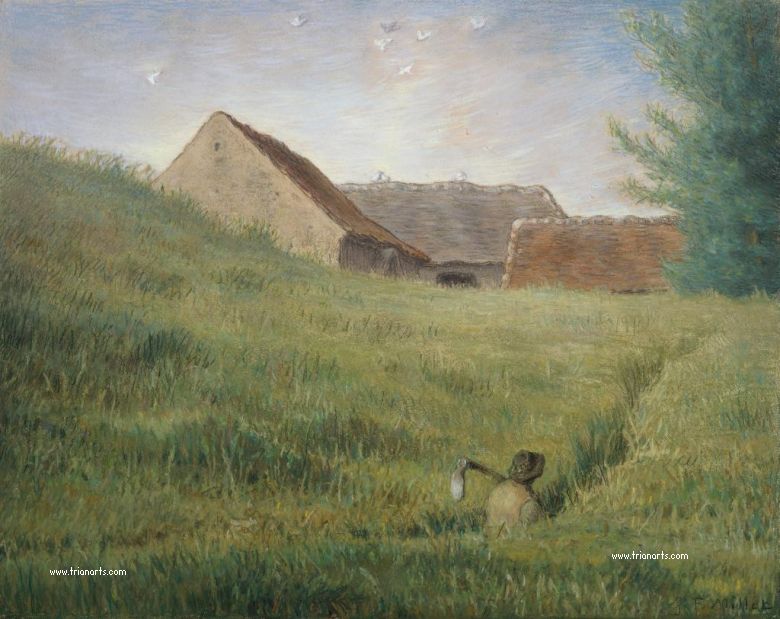
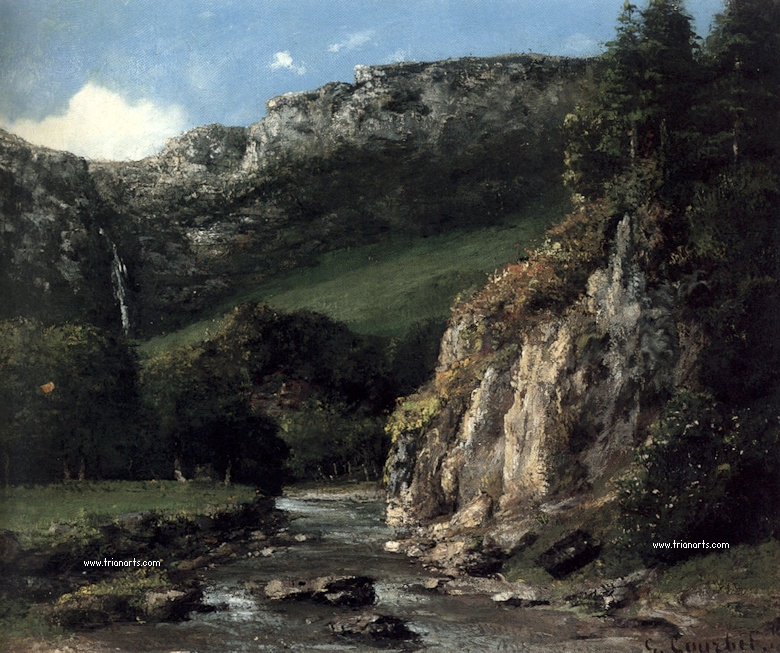
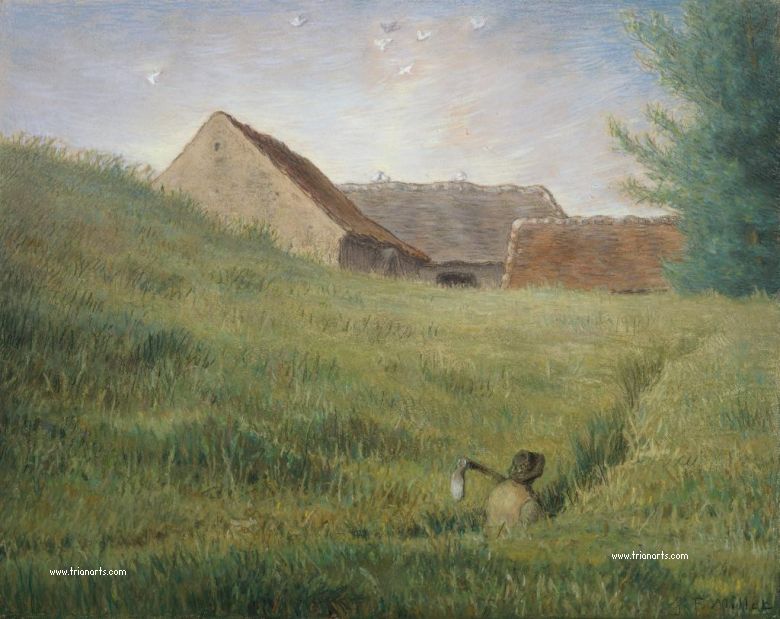
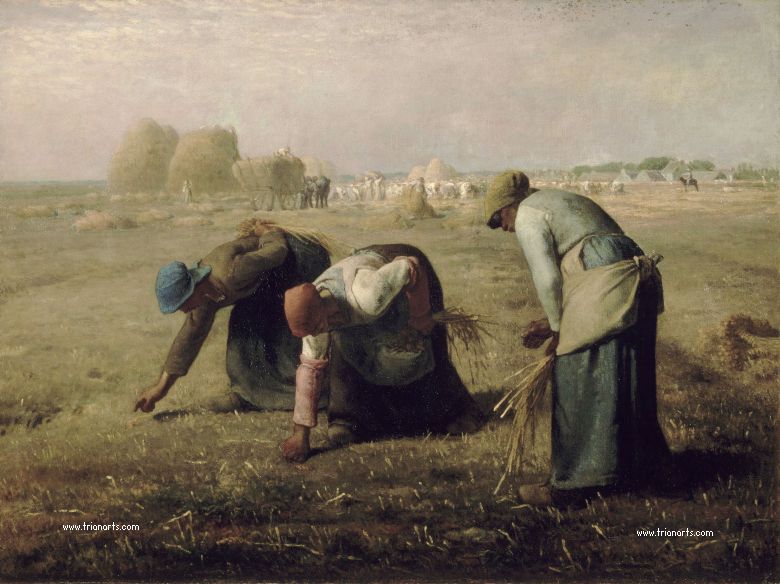
The influence of Brueghel’s work on the landscape tradition can be seen in the 19th century, in the rural genre scenes of artists such as Gustave Courbert and Jean Francois Millet.
Despite his great influence on northern European landscape and genre painting, Brueghel went out of fashion for several centuries.
His popularity revives in the 20th century, when he is appreciated for his innovative compositions and deep human understanding.
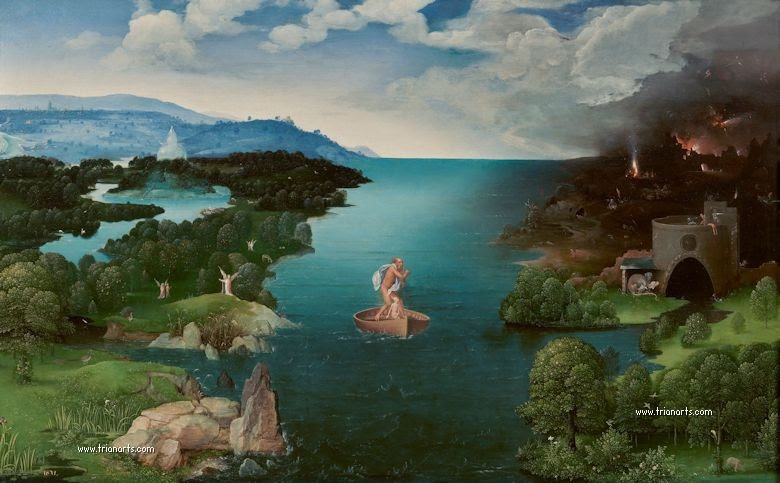
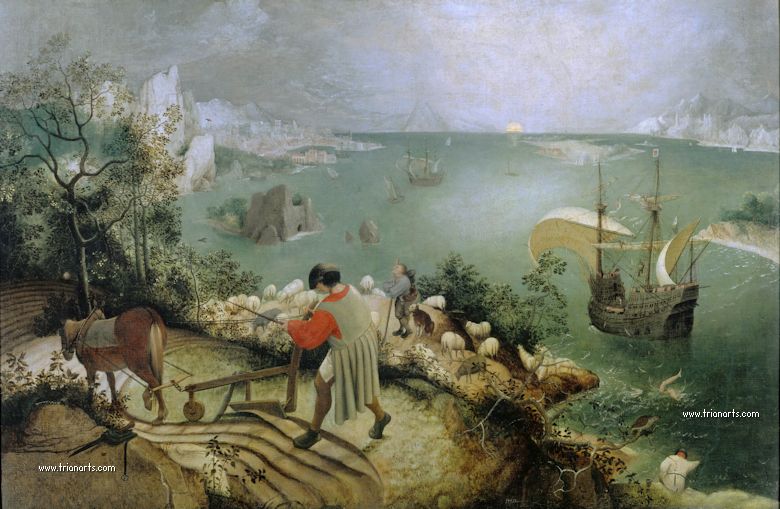
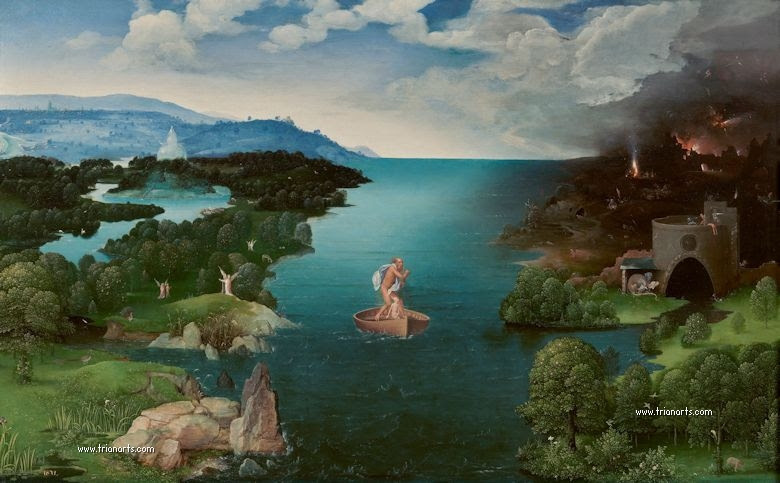
Aunque a Joachim Patinir, 1515-1524 se considera el primer paisajista, es en la obra de Brueghel donde la naturaleza emerge a primer plano y la topografía domina las composiciones.
En el Renacimiento, los pintores representan escenas religiosas y mitológicas en ambientes pastoriles al estilo italiano, donde el paisaje se reproduce con elegancia, pero sigue subordinado al mensaje histórico o religioso.
Pero Brueghel pone el paisaje en primer plano y representa además las actividades humanas como parte integral del paisaje.
Brueghel tiene gran interés por las vistas, los sonidos y las experiencias cotidianas de la vida cerca de la naturaleza.
Sus paisajes configuran la vida cotidiana de sus habitantes al tiempo que estos dan forma al paisaje.
XVI se produce una fuerte caída de las temperaturas que marcan el comienzo de una fase de cambio climatológico que se denomina Pequeña Edad de Hielo.
Uno de los inviernos más fríos es el de 1565, el año en el que Pieter Brueghel el Viejo pinta Cazadores en la nieve.
La preocupación de la época por el clima cambiante y su impacto en la vida comunitaria inspira a Brueghel para pintar innovadoras escenas cotidianas situadas en el campo nevado.
Así plasma en el lienzo este periodo de frio extremo, en el que la tierra queda cubierta de una capa de blanco brillante, los ríos y lagos se congelan y muere toda clase de criaturas debido a las extraordinarias condiciones climatológicas.
Cazadores en la nieve ofrece una composición del paisaje que es una ventana a la dicha y a las adversidades de un momento ecológicamente turbulento en la historia europea.
1552 Brueghel viaja por los Alpes y por Italia. Durante el viaje realiza bocetos de los paisajes que ve, alguno de los cuales se conservan, así como estudios detallados hechos con lápiz y tinta.
Los Alpes influyen en el estilo artístico de Brueghel, como se observa en cazadores en la nieve.
Aunque el paisaje esta representado de modo realista se trata de un escenario basado en parte en los recuerdos alpinos del artista.
Este tipo de topografía no es típico de los Países Bajos, es un paisaje alpino fantasioso.
Al mostrar la naturaleza como dueña impredecible del destino humano, Brueghel propone una lectura espiritual del cuadro.
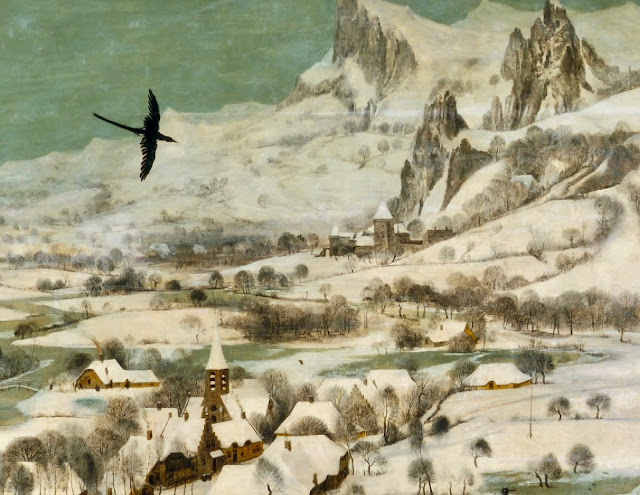
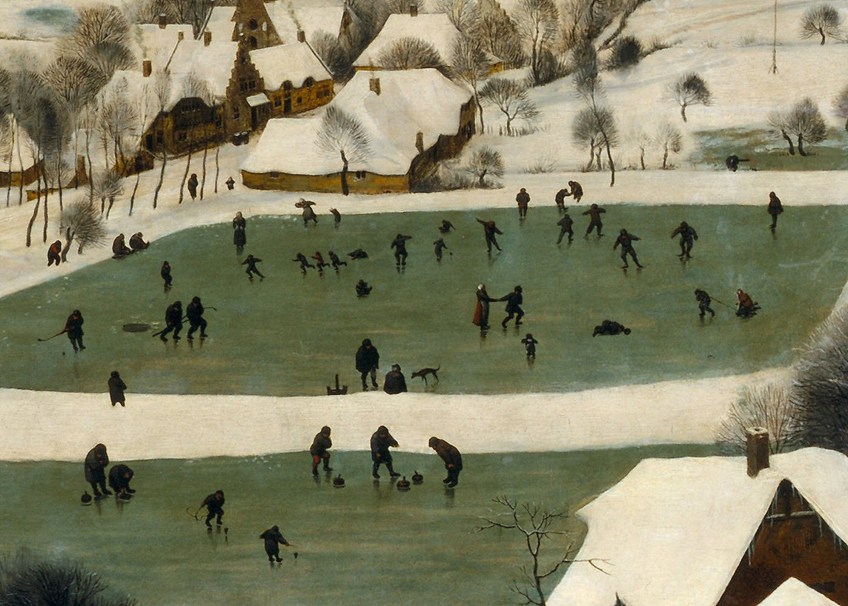
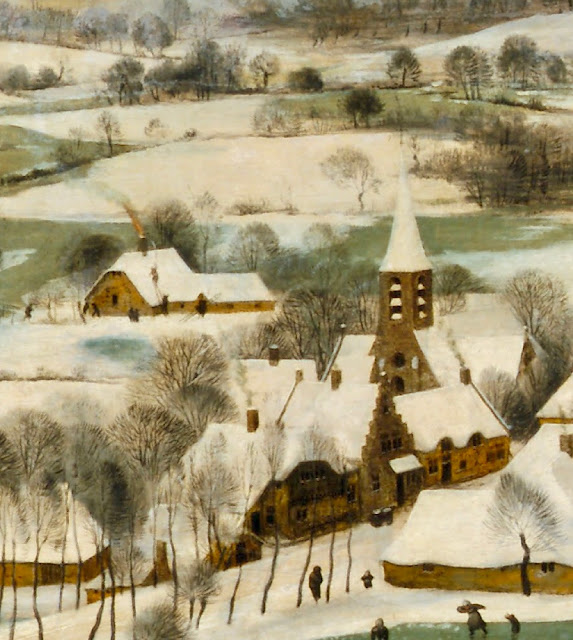
Detalle del paisaje de fondo de Cazadores en la nieve
En medio del hielo y para compensar las sombras que proyectan las montañas, la comunidad que vive bajo su sombra, prospera y bulle de actividad a pesar del tremendo frio.
El cuadro sugiere que el ser humano y la naturaleza están ligados en una relación más compleja que en la mera sumisión.
En vez de someterse a la gran helada, los personajes patinan, se lanzan en trineo y practican deportes de invierno en los lagos helados. Hombres trabajadores y resueltos acompañados de perros leales, se abren paso por la nieve envueltos en varias capas de abrigo.
A diferencia de la gente del valle, los cazadores que parecen abatidos vuelven con una sola pieza.
Cazadores en la nieve es pintura de género en la que se representa gente común realizando sus labores cotidianas.
Este estilo se populariza en el XVI y el XVII, sobre todo en los países Bajos donde atrae a las clases medias de fortuna reciente.
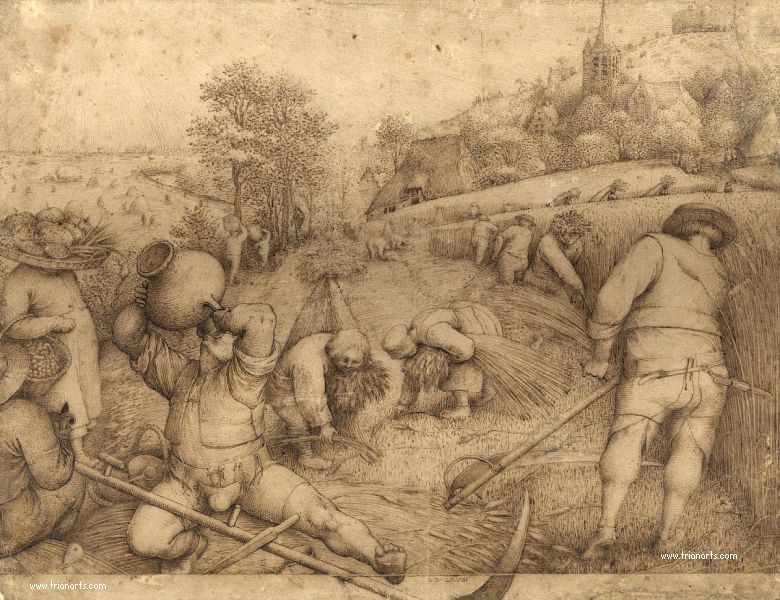
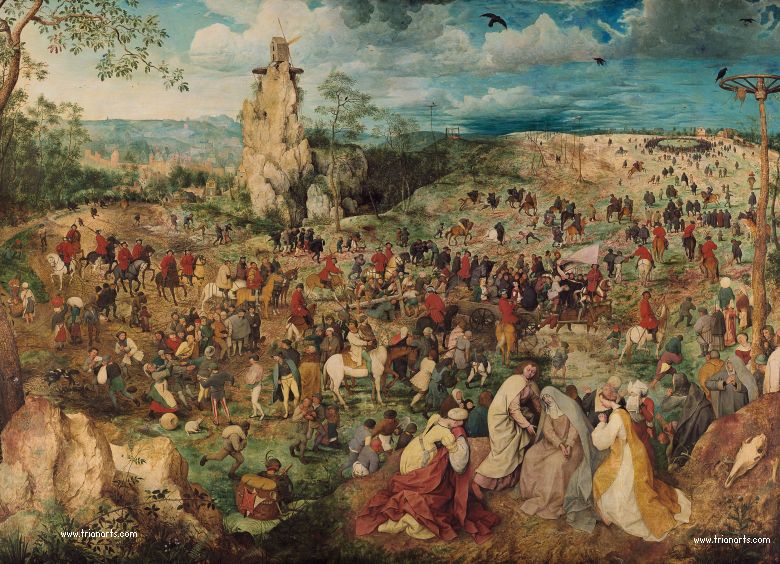
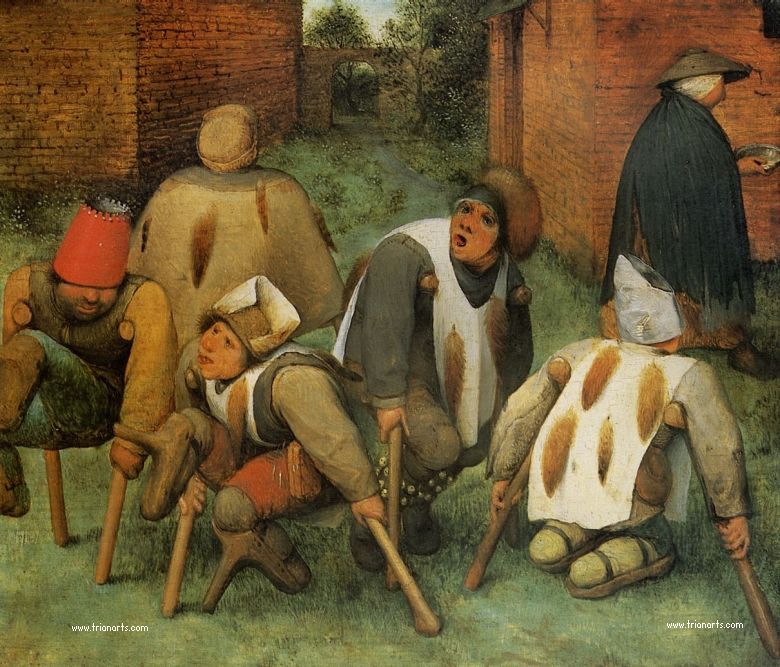
Brueghel pionero de la pintura de género, pinta muchas y animadas escenas de la vida rural, desde bodas y bailes a festivales y banquetes.
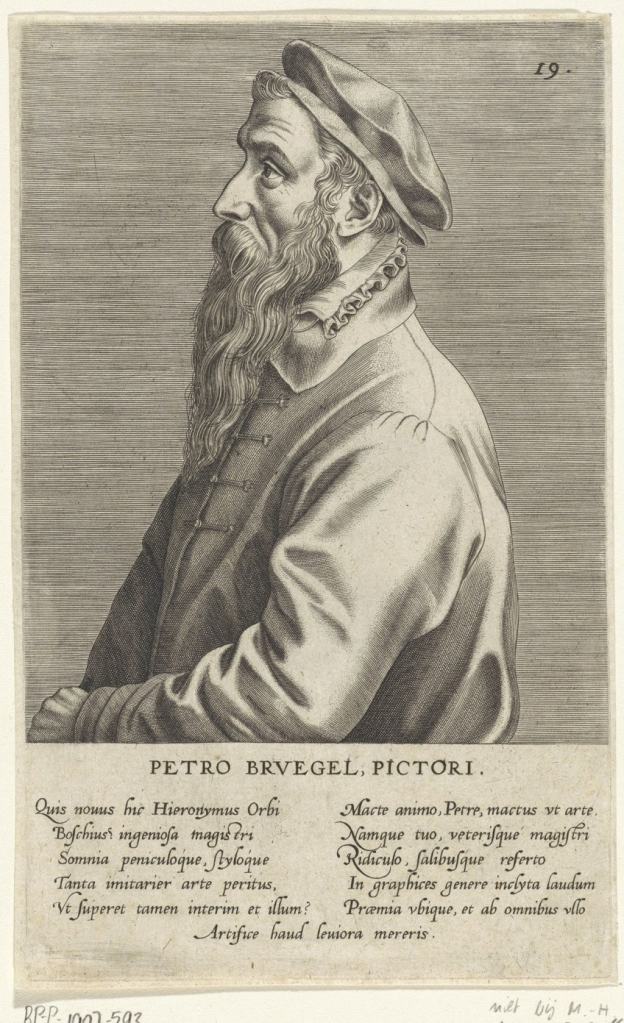
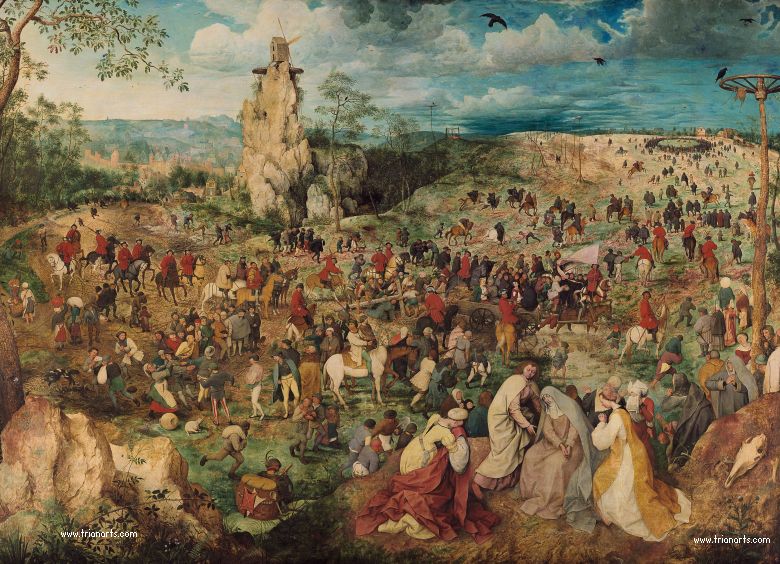
Pieter Bruegel El viejo
Cazadores en la nieve forma parte de una serie de seis o doce cuadros conocida como Los meses, de los cuales solo se conservan cinco y corresponde al mes de enero.
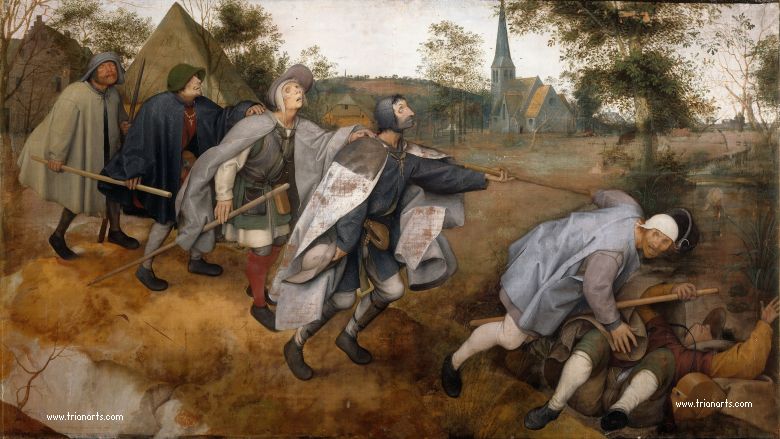
Pieter Bruegel El viejo
Esta serie es un encargo del acaudalado mecenas de Brueghel, Niclaes Jonghelinck para su mansión de Amberes y cada cuadro representa un mes del año, condensado en una escena pastoril.
Brueghel se inspira en la tradición de los libros de horas medievales, libros destinados a la oración privada que se ilustran con calendarios de las estaciones y sus labores.
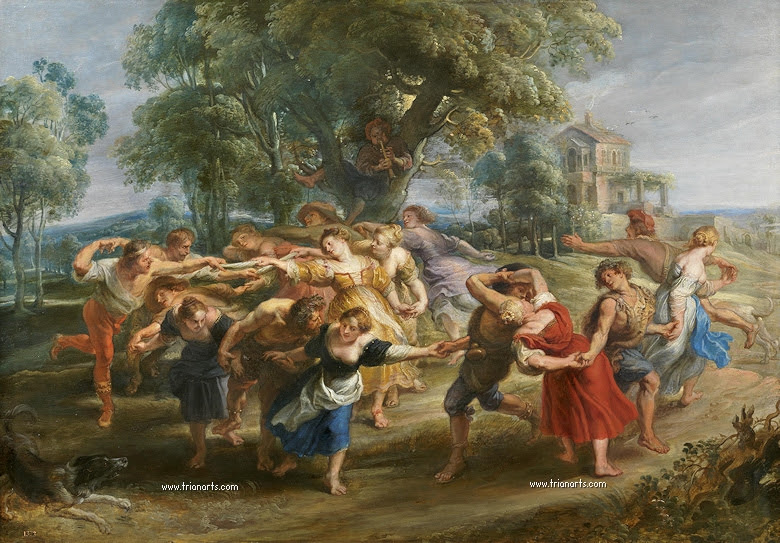
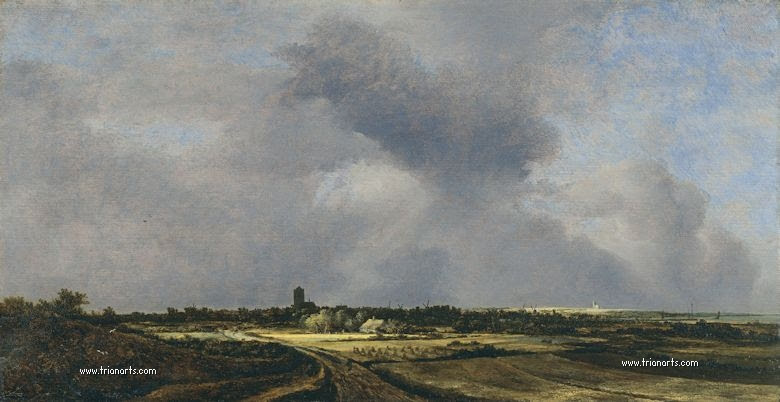
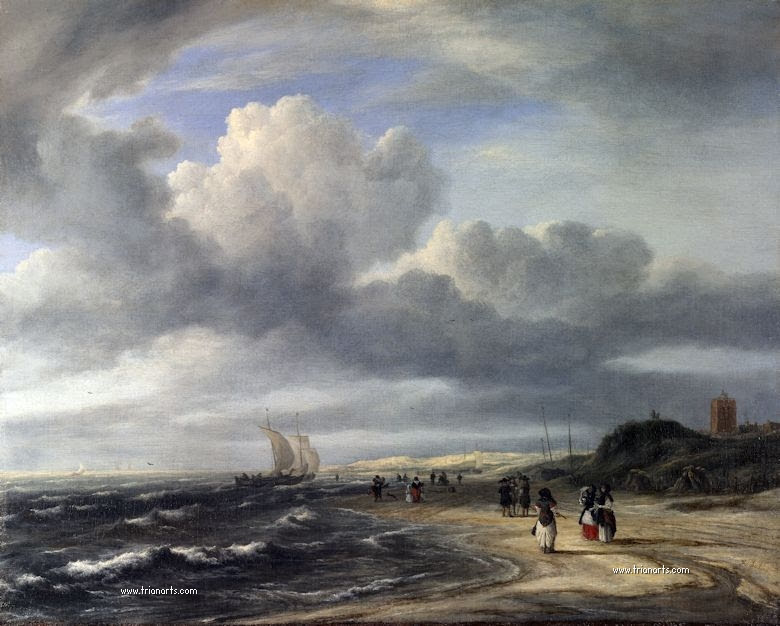
El legado de Brueghel es evidente en Jacob Ruysdael en el XVII, así como en Rubens.
Jacob Izaaksoon van Ruysdael – The Shore at Egmond-an-Zee – 1675 N ational Gallery Londres Jacob Izaaksoon van Ruysdael – Vista de Naarden – 1647 Museo ThyssenRubensPedro Pablo Rubens – Danza-de-personajes-mitológicos-y-aldeanos-1630-MPrado
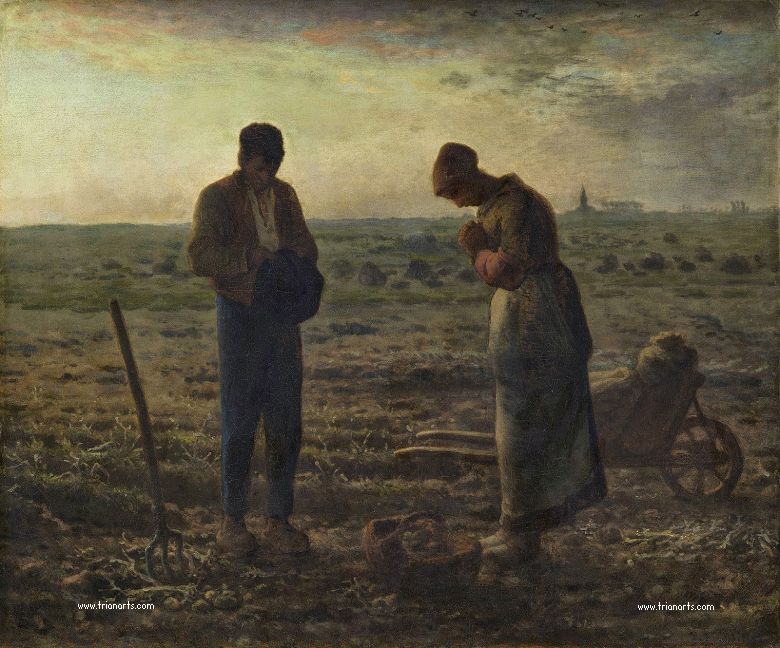
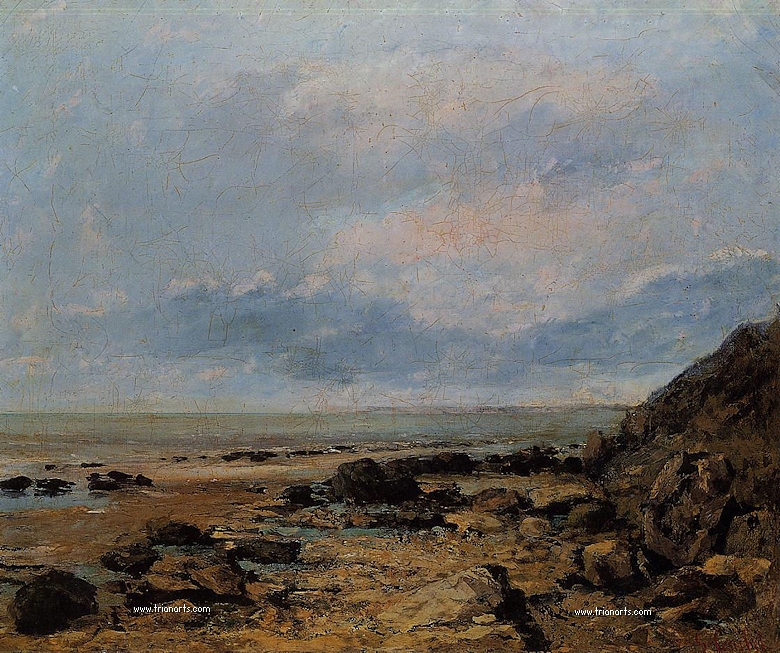
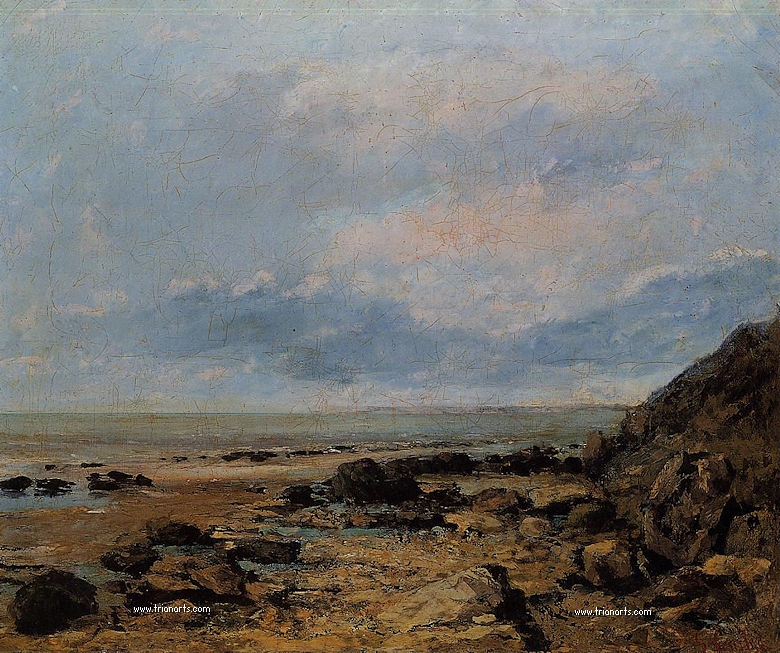
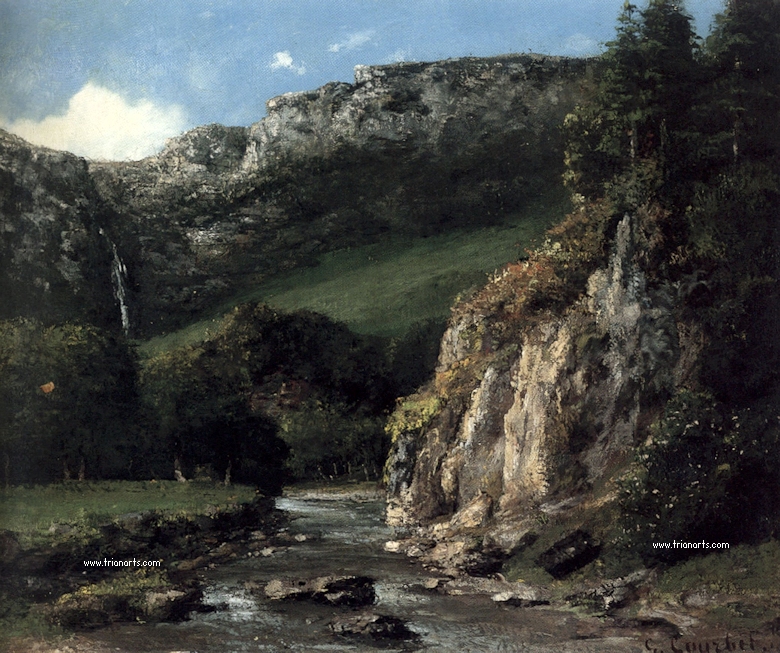
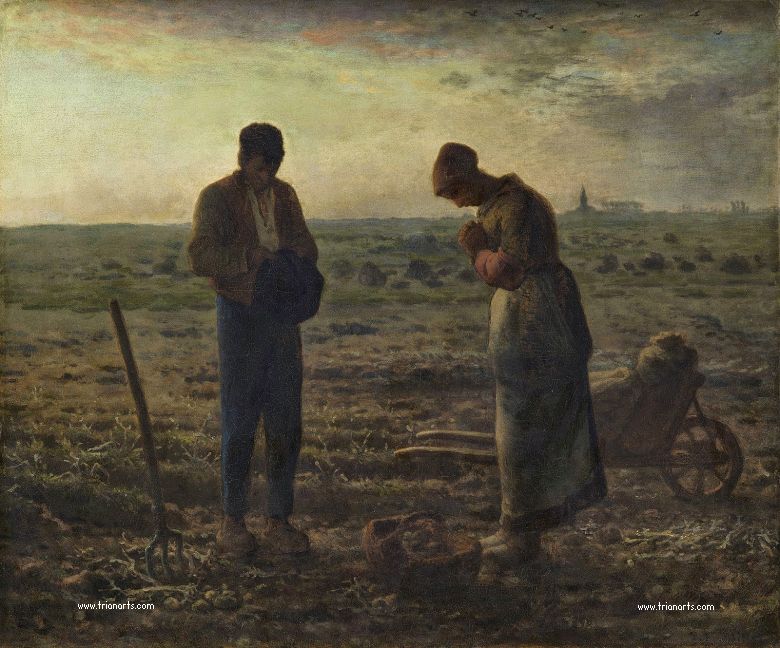
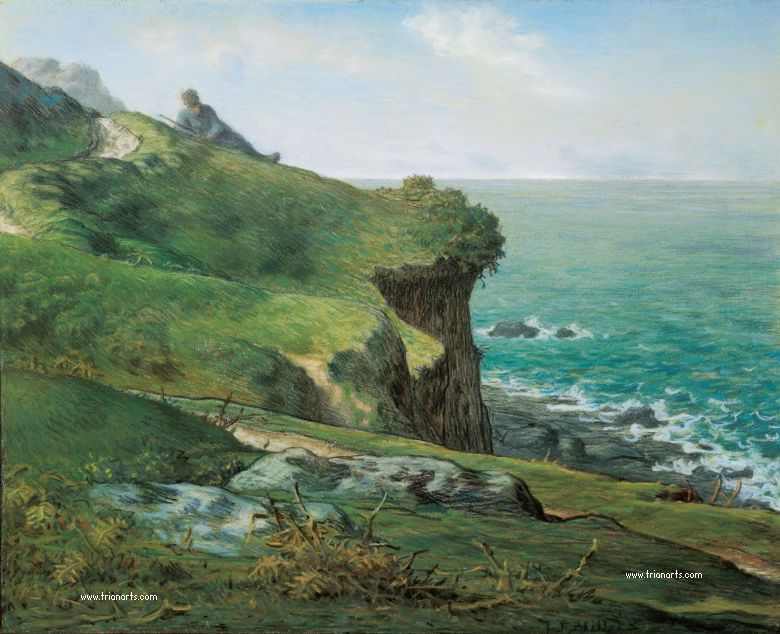
La influencia de la obra de Brueghel en la tradición del paisaje se aprecia en el XIX, en las escenas de genero rurales de artistas como Gustave Courbert y Jean Francois Millet.
Gustave courbet – Rocky Seashor-1865 Gustave Courbet – Crumbling RocksJean Francois MilletJean François MilletJean François MilletJean François MilletJean François MilletJean François Millet
Pese a su gran influencia en el paisajismo y la pintura de genero del norte de Europa, Brueghel deja de estar de moda durante varios siglos.
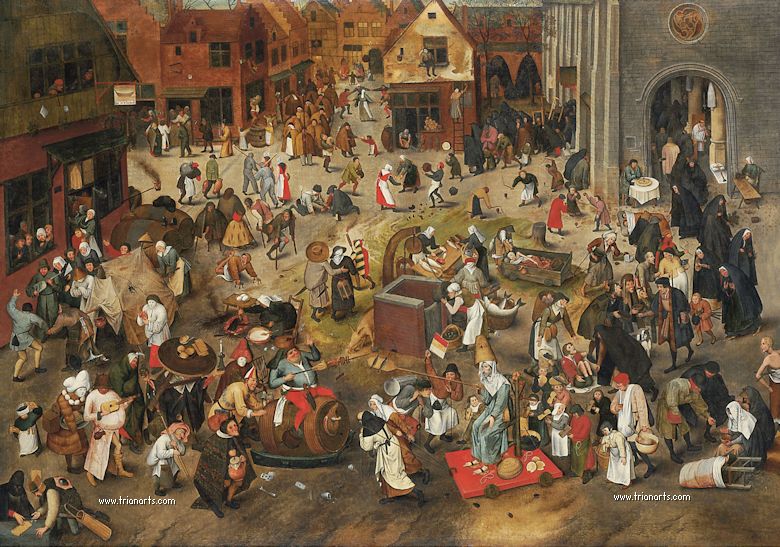
Pieter Brueghel El viejo
Su popularidad revive en el siglo XX, cuando es apreciado por sus innovadoras composiciones y profunda comprensión humana.
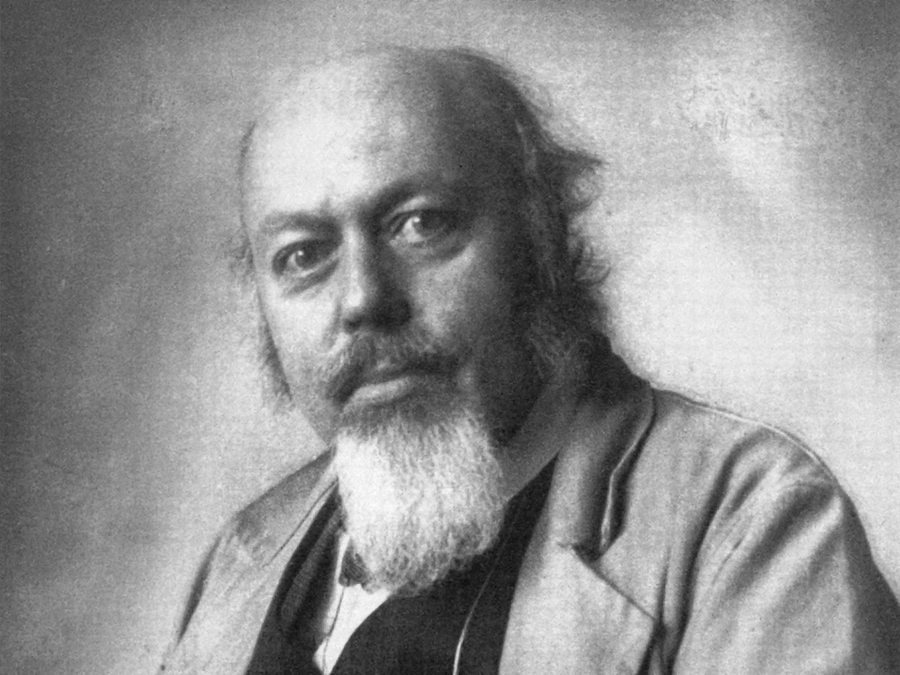
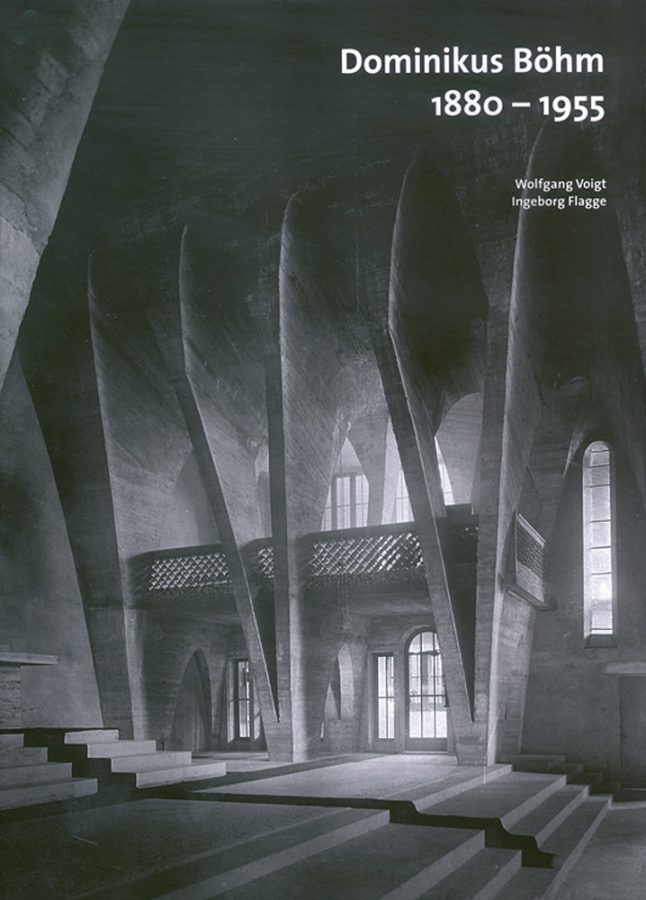
Jettingen, 23 de octubre de 1880 – Colonia, 6 de agosto de 1955, es un arquitecto establecido en Offenbach y en Colonia.
Activo en Alemania entre 1906-1955.
Albañil de formación, Dominikus Böhm frecuenta la Escuela de Diseño de Gunzburg y la Escuela de Ingenieros de Construcción de Augsburgo, antes de emprender, hacia 1900, estudios en la Technische Hochschule de Stuttgart, con Theodor Fisher.
1907, obtiene un puesto de profesor en la Escuela Profesional de Construcción de Bingen y después, en 1908, en la Escuela de Artes Aplicadas de Offenbach.
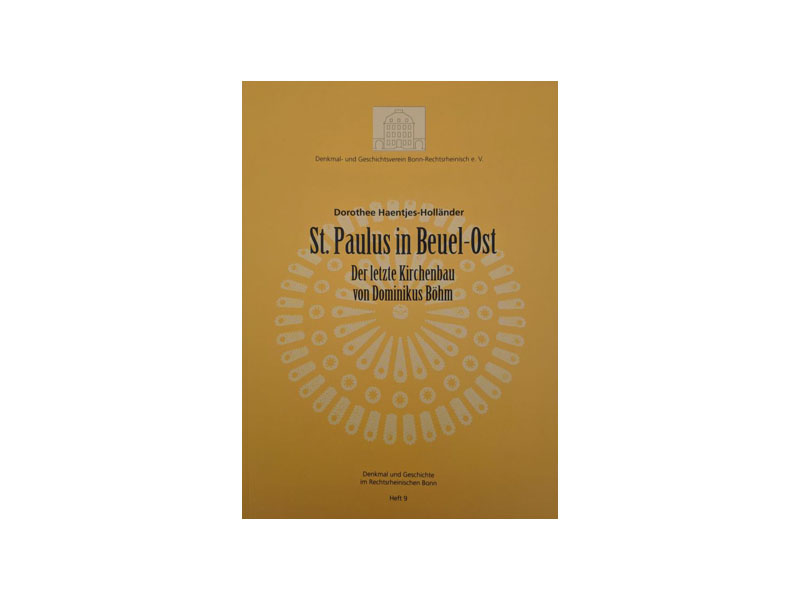
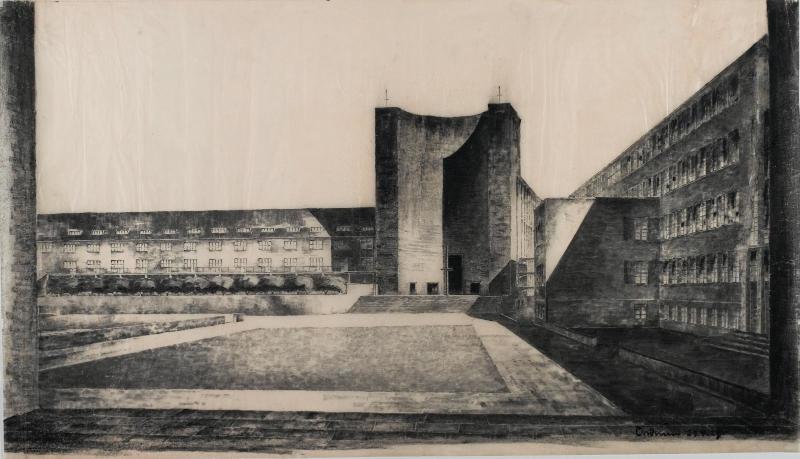
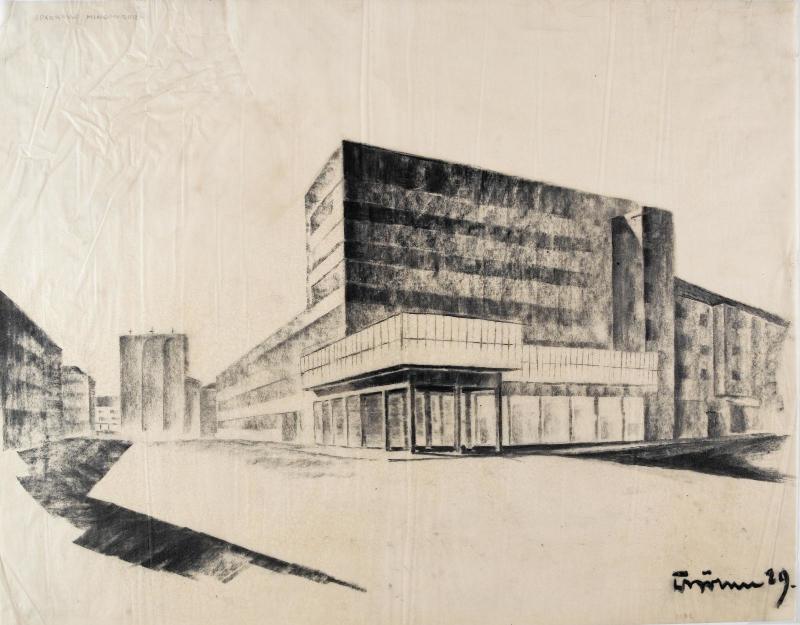
Durante este período, se dedica al diseño de edificios sagrados, pero hay que esperar hasta 1919 para que sus iglesias, sus fábricas y sus residencias sean construidas en Renania.
1926 -1934, Bóhm dirige la sección de arte sacro en la Werkschule de Colonia. Realiza entonces sus principales obras, como las iglesias de Maguncia-Bischofsheim (1926), San Engelberto en Colonia-Riehl (1930) y San José en Hindenburg.
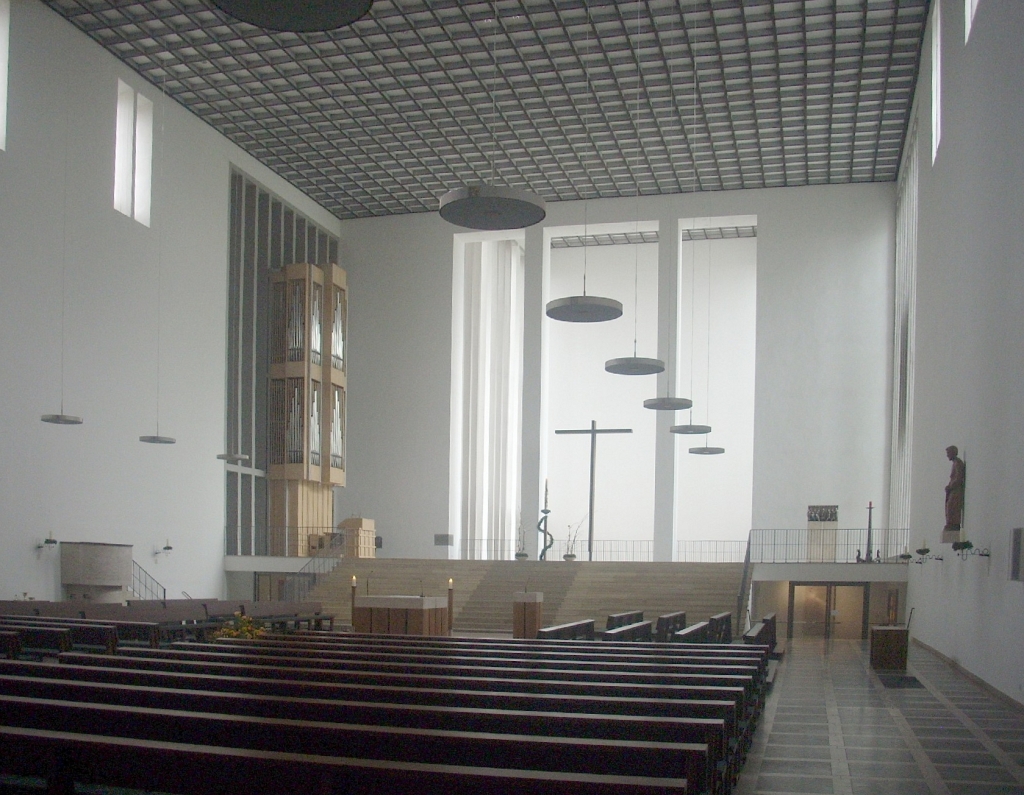
Su concepto de la arquitectura toma su fuerza en el pensamiento reformador de la liturgia católica.
La arquitectura sacra adquiere desde entonces una expresión nueva y moderna.
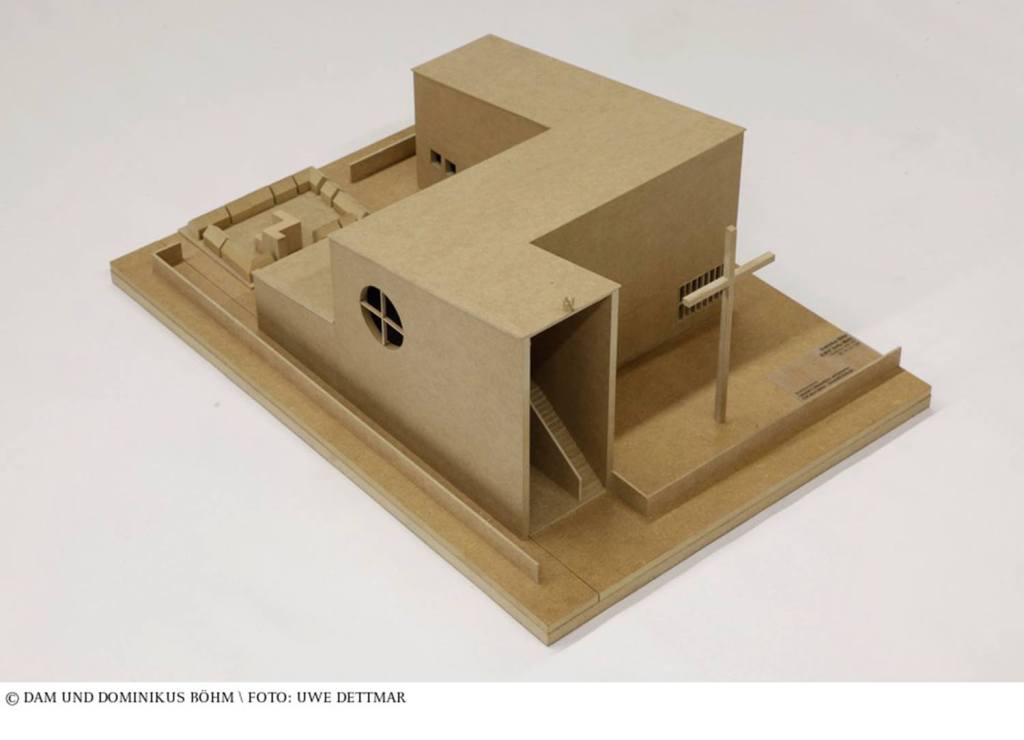
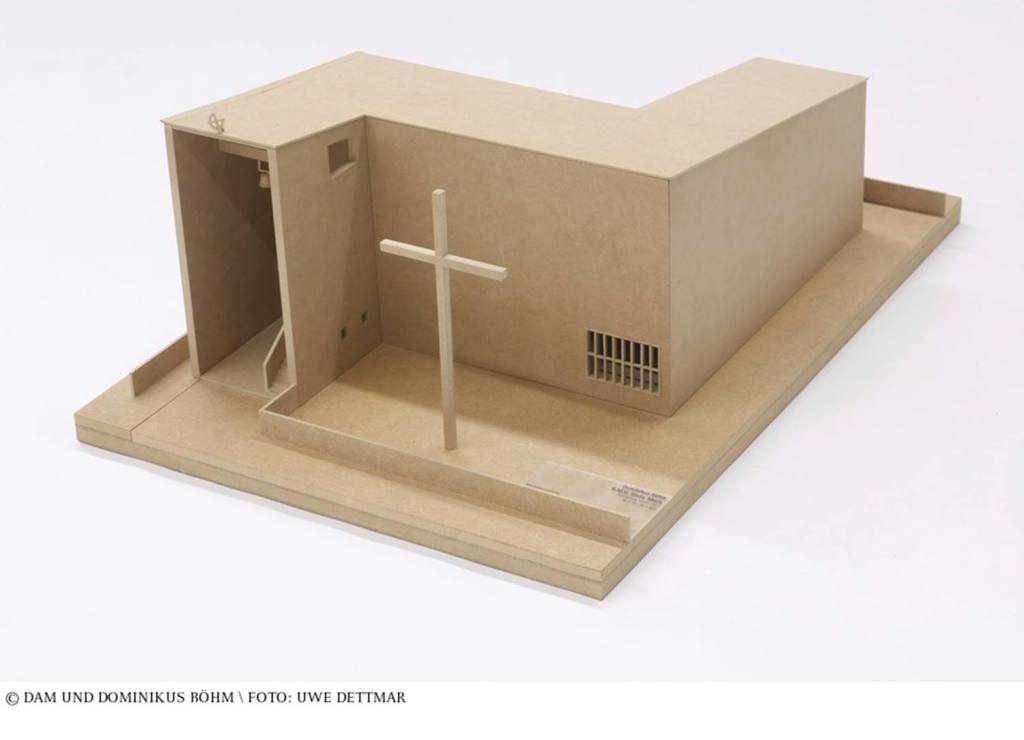
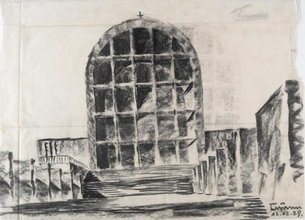
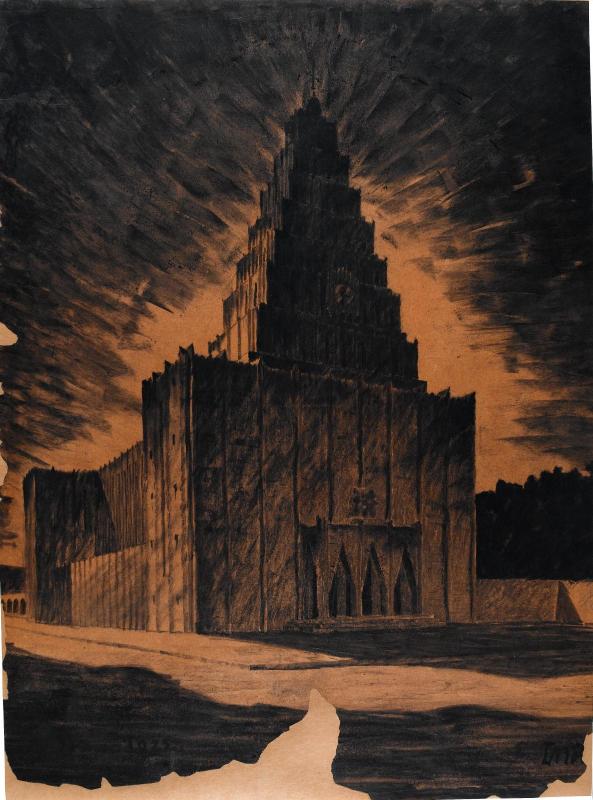
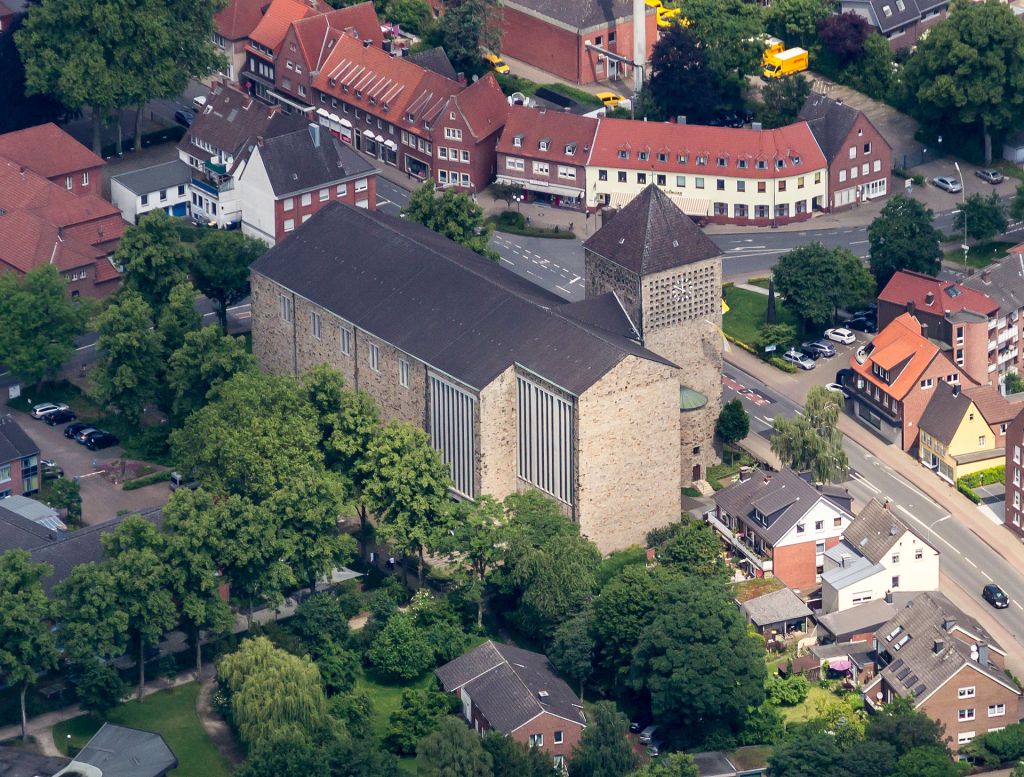
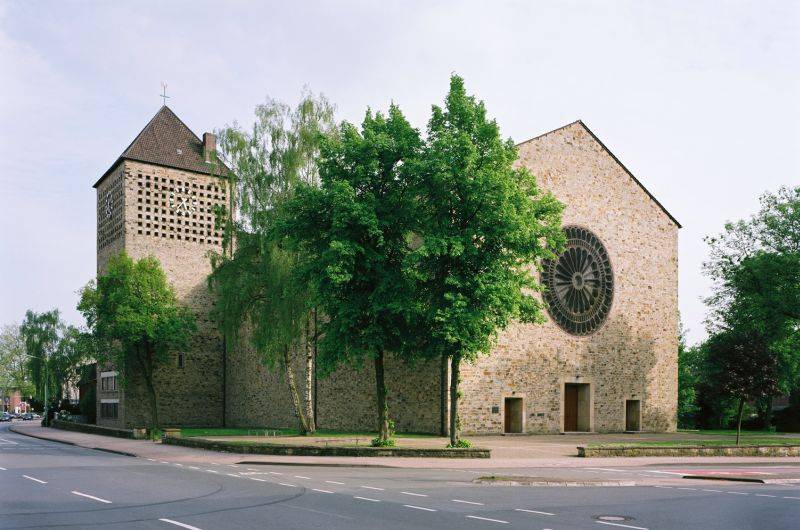
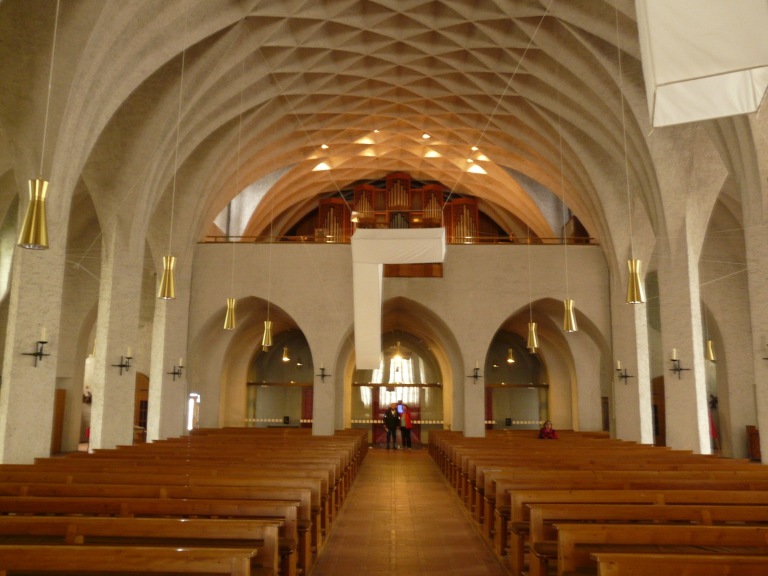
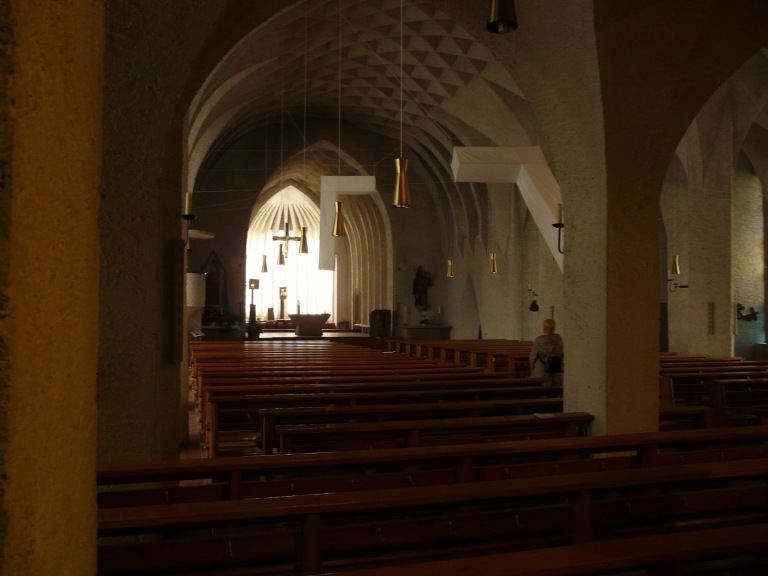
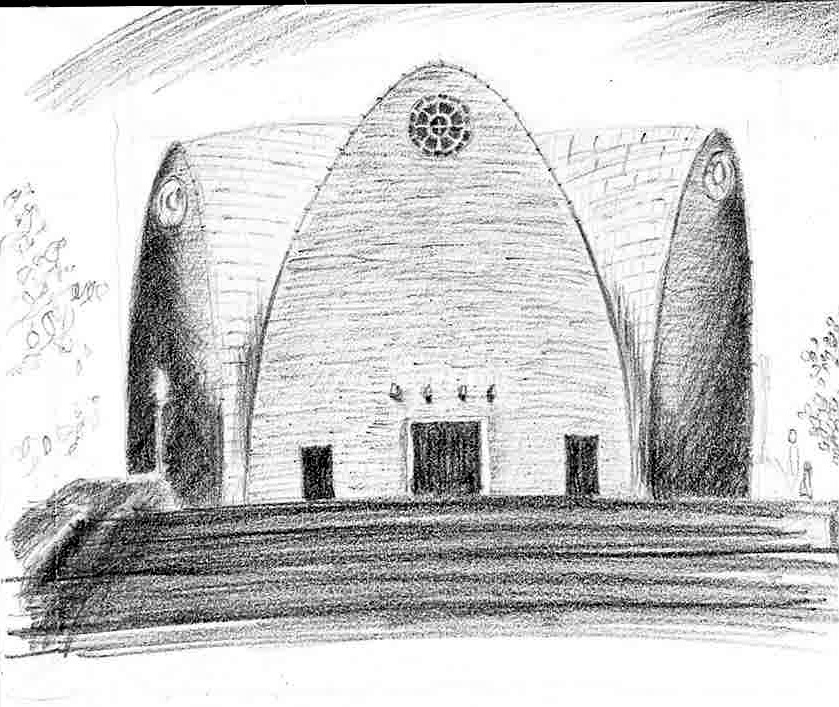
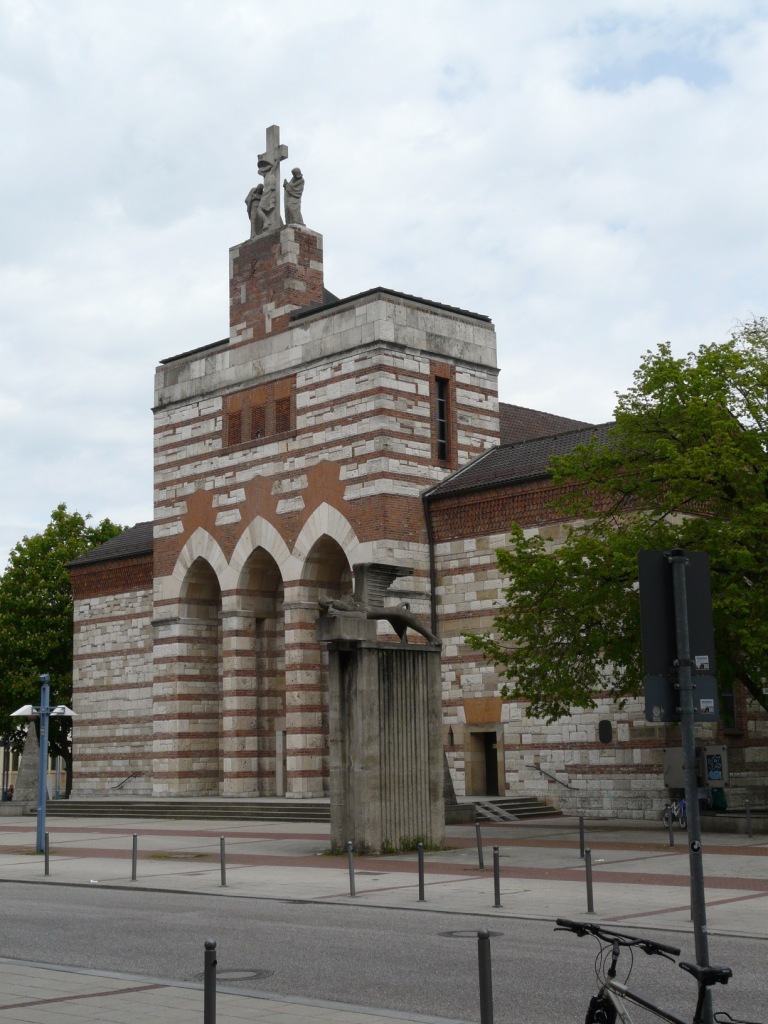
Los edificios de Böhm son monumentales, a la vez figurativos y plásticos, su estructura está determinada por formas geométricas simples.
Su estilo se inspira en los edificios del principio de la época románica.
1947-1953, enseña de nuevo en la Werkschule de Colonia y dedica lo esencial de sus actividades a la construcción y a la reconstrucción de iglesias católicas.
Los últimos años de su vida colabora con su hijo, con el que firma la realización de la iglesia de Santa Ana en Colonia-Enrenfeld (1954-1956).


















































 El blog de Ila Basmati