Manierismo en el norte, Maerten van Heemskerck

1498, 1 de junio, Marten Jacobsz Heemskerk van Veen nace en Heemskerk, Holanda.
Tiene como maestro como maestro a Cornelis Willemsz en Haarlem.

Hijo de un labrador, decide huir de su destino y recorre a pie 80 kilométros que le separaban de Delft, donde estudia durante un tiempo corto con con Jan Lucasz, para ir a Haarlem, al taller de Jan van Scorel.

Éste ejerce tanta influencia en su obra, que incluso ahora sus pinturas se confunden con las de van Scorel.

1532 comienza un viaje con la intención de ver y pintar las siete maravillas del mundo.

Periplo en el que visita el norte y centro de Italia, para en Roma, donde tiene cartas de presentación de van Scorel para el entonces influyente cardenal holandés Guillermo de Enckenvoirt.

Antes de iniciar el recorrido, hace una escena de San Lucas pintando a la Virgen, para un retablo del altar de San Lucas en el Bavokerk.

Es seleccionado para trabajar con Antonio da Sangallo el Joven, Battista Franco y Rossi Francesco de Il Salviati, para redecorar la Porta San Sebastiano en Roma como un arco triunfal, en honor de Carlos V. 

Maerten_van_Heemskerck_-_Concert_of_Apollo_and_the_Muses_on_Mount_Helicon

Giorgio Vasar, que ve la batalla Heemskerk, opina que tiene una buena composición y es osada.

Pinta las Siete Maravillas, y a su vuelta a la Holanda en 1536, se instala en Haarlem, donde al poco es presidente de la guilda de San Lucas de Haarlem.

Pinta retablos grandes para su amigo, el mecenas de arte y mártir después de la Reforma protestante, Cornelis Muys, que vuelve de un tiempo en Francia a los Países Bajos en 1538, destinado como prior del convento de Santa Ágata en Delft, que más tarde es Prinsenhof.

Gracias a este trabajo de calidad, consigue el encargo de un retablo en la Nieuwe Kerk (Delft) para su gremio de San Lucas.

1572 se muda de Haarlem a Amsterdam, para evitar el asedio de Haarlem de los españoles del lugar.

En Ámsterdam vive y trabaja lo bastante para hacer un enorme patrimonio.

A su muerte, deja dinero y tierras en fideicomiso para el orfanato de Haarlem, y una cantidad que se paga a las parejas que contraen matrimonio en la losa de su tumba en la catedral de Haarlem.

Era una curiosa superstición que todavía existe entre los católicos de Holanda, por la que un matrimonio celebrado ante una tumba, asegura la paz a los muertos.

Son abundantes las piezas que se conservan de Heemskerk.

El  Adán y Eva, San Lucas pintando a la Virgen en la que además del santo y la Virgen con el Niño pintó a un poeta coronado con hojas de hiedra, y un loro en una jaula, y que forman parte un retablo en la galería de Haarlem, y el el Ecce Homo del museo de Gante, son algunas de sus obras más representativas del periodo anterior a su viaje a Italia.

El retablo confeccionado para San Lorenzo de Alkmaar en 1538-1541, es de la época de la Reforma.

Conservado en la Catedral de Linkoping de Suecia, muestra su estilo tras el regreso del sur.

Destacan entre sus piezas una Crucifixión de 1543, en el Museo de Gante; el retablo de la Compañía de las Drapers en Haarlem, de 1546, en la galería de La Haya.

Se percibe la influencia de las obras de Miguel Ángel Y Rafael Sanzio de su estancia en Roma y de los frescos de Andrea Mantegna y Giulio Romano durante su visita a Lombardía.

1551 recuerda la Madonna de Loreto de Rafael y hace una copia.

Dos retablos para las iglesias de Delft en 1551 y 1559, uno completo (San Lucas pintando a la Virgen), el otro un fragmento que ahora esta en el museo de Haarlem, un tercio de 1551 en el Museo de Bruselas, en el que se representa el Gólgota; la Crucifixión; La huida a Egipto; Cristo en el monte de los olivos; y escenas de la vida de San Bernardo y San Benito.

Una Crucifixión, actualmente en el Museo de L´Ermitage de San Petesburgo; y dos Triunfos de Sileno en la Galería de Viena.

Heemskerck admirado en vida, es de gran influencia en los pintores de Haarlem.

Junto a Jan van Scorel es famoso por su introducción del arte italiano a los Países Bajos del Norte, por su serie sobre las siete maravillas del mundo, que son distribuidas posteriormente como grabados.

Karel van Mander dedica seis páginas a su biografía en su Schilder-Boeck.
1574, el 1  de octubre, fallece en Haarlem.

Wikipedia

Trianart fotos

https://www.museothyssen.org/coleccion/artistas/heemskerck-maerten-van

Selfportrait

Manierism in the north, Maerten van Heemskerck

Heemskerck, 1498 – Haarlem, 1574

Painter, draftsman and designer of prints, he was born in the town of Heemskerck, from where he took his surname.

He was trained, according to his biographer Van Mander, in Haarlem with Cornelis Willemsz and continued his apprenticeship with Jan Lucasz in Delft.

 On the return of Jan van Scorel from Italy, Heemskerck is documented in his workshop between 1527 and 1530, where he copied the style of this artist three years his senior.

Van Scorel’s influence on Heemskerck was intense at this stage, making it difficult to attribute some of his oil paintings.

He belonged to the second generation of Dutch artists who traveled to Italy; he is documented in the city of Rome in 1532.

During the years that he stayed there he studied the frescoes of Raphael and Michelangelo and made numerous drawings of sculptures, views of cities and classical ruins, of which two interesting notebooks are preserved in Berlin.

The work of Michelangelo deeply impressed him, the imprint of him being appreciated in the paintings he made in Holland a little later.

On the way back to Haarlem he probably visited Mantua, where he studied the work that Giulio Romano had done at the Palazzo Te.

At the beginning of 1537 he was in Haarlem, where he combined his professional activity with various positions in the Guild of Saint Luke, of which he was dean in 1553 and 1554.

He remarried a wealthy woman, whose fortune provided the artist with financial security and a good social position.

Except for a short stay in Amsterdam, where he took refuge during the Spanish siege of Haarlem, Heemskerck spent the rest of his life in this city.

A good portraitist, he also cultivated history painting. Among his best works are the 1529 portrait of Anna Codde from the Rijksmuseum in Amsterdam; Saint Luke painting the Virgin, from 1532, in the Frans Hals Museum in Haarlem, or the Self-portrait of him, with the Colosseum in the background, in the Fitzwilliam Museum in Cambridge.

Many of his paintings are reproduced in engravings, enjoying a great diffusion.

Trianart fotos

Expresionism and Modernity, Bruno Taut

We believe that the direct environment of a home is of great importance for the home itself, as it can increase or reduce your well-being and comfort.

Also known as Bruno Julius Florian Taut, he is an architect born in Prussia on May 4, 1880.

Bruno Taut (1880-1938) attended the Konigsberg Construction School until 1901 and subsequently worked in different architectural firms, for example in 1902 for Fabry in Wiesbaden, a year later for Bruno Möhring in Berlin and between 1904 and 1908 for Theodor Fischer in Stuttgart.

In 1908 he received his first commission from him, a turbine hall at Wetter on the Ruhr. With Franz Hoffmann as a partner, he opened his own architecture office a year later, in which his brother Max Taut would also work later.

In 1909, a nursing home was built for the Siemens company in Bad Harzburg. As a director of the Deutsche Gartenstadtgesellschaft, Taut also made the plans for the garden districts of Reform in Magdeburg (1913-1921) and Am Falkenberg in Berlin-Grünau (1912-1915), which were however only partially carried out.

The recognition came to him above all for two exhibition buildings: for the Leipzig Construction Exhibition of 1913 he built the pavilion of the German Association of Steelworks and the pavilion of the German Association of Bridge and Railway Factories; The latter, also called a monument to iron, was an octagonal steel skeleton that was narrowing towards the top of its four levels like a telescope.

1913

For the 1914 Cologne Werkbund Exposition, Taut designed the Glass Industry pavilion with a dome made up of rhomboidal sections of colored glass.

1914

Pabellón de Cristal
Colonia | Alemania

After the war he published expressionist architectural utopias – Alpine Architecture (1918), Die Stadtkrone (1919) – and wrote articles for the magazine Frühlicht, of which he later co-edited.

Under his leadership the Arbeitsrat für Kunst was founded in 1918 and in 1919 the Crystal Chain, a circle of artists and architects, whose members communicated through so-called chain letters.

In the years 1921-1923, Taut was a Magdeburg town planning architect and caused controversial discussions with his concepts of brightly colored façades.

Fachada de las viviendas de la colonia Falkenberg en Berlín Grünau, B. Taut, 1913-1934. 
Casa coloreada en Peter Strasse 22, Oskar Fischer, Magdeburgo, 1919-1921.
Proyecto de publicidad para Pabellón frente a la estación, C. Krayl, Magdeburgo, 1923
His own house 1926

As a director of the non-profit society Heimstätten, Spar und Bau-Aktiengesellschaft from Berlin, he dealt between 1924-1932 on questions concerning mass housing construction.

Viviendas en Schillerpark, Berlín (1924-1928)

Among the most important works of that time are the Britz horseshoe-shaped housing estate in Berlin, which he carried out between 1925-1930 together with Martin Wagner, as well as the housing estate called Uncle Tom’s Cabin in Berlin-Zehlendorf (1926-1931).

 In 1926 he was appointed a member of the Der Ring architects association.

1926
House Edwin Koenemann
Worpswede | Alemania

In 1927 he participated in the Stuttgart Werkbund Exhibition and he was a professor in the years 1930-1932 at the University of Berlin-Charlottenburg.

1932
Onkel toms hütte
Berlin | Alemania
1932
Onkel toms hütte
Berlin | Alemania
1932
Onkel toms hütte
Berlin | Alemania
1933
Viviendas Hufeisensiedlung
Berlín | Alemania

1933, Taut moved to Moscow; he eventually emigrated to Japan, where he worked at the Sendai Research Institute. In 1936 he was the successor of Hans Poelzig, who died before taking up the post of professor at the Istanbul Fine Arts Academy.

Gössel, P. (2007). The A-Z of Modern Architecture (Vol. 1). Deutscher Taschenbuch Verlag.

https://www.urbipedia.org/hoja/Bruno_Taut

Expresionismo y Modernidad, Bruno Taut

Opinamos que el entorno directo de una vivienda es de gran importancia para la vivienda misma, ya que puede aumentar o reducir su bienestar y confort.

Tambien concido como Bruno Julius Florian Taut, es un arquitecto nacido en Prusia el 4 de mayo de 1880.

Bruno Taut (1880-1938) asiste hasta 1901 a la Escuela de Construcción de Kónigsberg y seguidamente trabaja en diferentes despachos de arquitectura.

1902 para Fabry en Wiesbaden, 1903 para Bruno Möhring en Berlín y entre 1904 y 1908 para Theodor Fisher en Stuttgart.

1908 recibió su primer encargo, una nave de turbinas en Wetter del Ruhr.

Con Franz Hoffmann como socio abre un año después su propio despacho de arquitectura, en el que posteriormente trabaja también su hermano Max Taut.

1909 construyen para Siemens una casa de reposo en Bad Harzburg.

Como consejero de la sociedad Deutsche Gartenstadtgesellschaft, Taut también hace los planos de los barrios ajardinados de Reform en Magdeburg (1913-1921) y Am Falkenberg en Berlín-Grünau (1912-1915), que sin embargo solo se llevan a cabo parcialmente.

El reconocimiento le llegó sobre todo por dos edificios de exposición: para la Muestra de la Construcción de Leipzig de 1913 erige el pabellón de la Asociación Alemana de Acerías y el pabellón de la Asociación Alemana de Factorías de Puentes y Ferrocarriles; este último, también llamado monumento al hierro.

Monumento al Hierro, Exposición de Leipzig, 1913.

Un esqueleto de acero de planta octogonal que se estrecha hacia lo alto de sus cuatro niveles como un telescopio.

Para la Exposición de la Werkbund de Colonia de 1914, Taut diseña el pabellón de la Industria del Cristal con una cúpula formada por secciones romboidales de vidrio de colores.

Taut_Glass_Pavilion_exterior_1914

Después de la guerra publica utopías arquitectónicas expresionistas -Arquitectura alpina (1918), Die Stadtkrone (1919)- y escribe artículos para la revista Frühlicht, de la que posteriormente es coeditor.

Bajo su dirección se funda en 1918 Arbeisrat fur Kunst y en 1919 la Cadena de Cristal, un círculo de artistas y arquitectos, cuyos miembros se comunicaban por medio de las llamadas cartas en cadena.

1921-1923, Taut es arquitecto de urbanismo de Magdeburg y causó polémicas discusiones con sus concepciones de fachadas en vivos colores.

Como consejero de la sociedad sin fines lucrativos Heimstätten, Spar und Bau-Aktiengesellschaft de Berlín se ocupó entre 1924-1932 de cuestiones referentes a la construcción de viviendas en masa.

Entre las obras más importantes de ese tiempo destacan la urbanización con forma de herradura Britz en Berlín, que realizó entre 1925-1930 junto con Martin Wagner.

Hufeisensiedlung

Así como la urbanización llamada Cabaña del tío Tom en Berlín-Zehlendorf (1926- 1931).

1926 es nombrado miembro de la asociación de arquitectos Der Ring.

Worpsweder Käseglocke, erigido en 1926.
BrunoTaut.CasaPropia.
-BrunoTaut.ColoniaPaulKoening

En 1927 participó en la Exposición de la Werkbund de Stuttgart y es profesor en los años 1930-1932 en la Universidad de Berlín-Charlottenburg.

BrunoTaut. ViviendasSchillerpark
BrunoTaut.Casa19Weissenhof.1
Bruno Taut. Viviendas Buschallee.
Ciudad residencial Carl Legien, Berlín (1928-1931)
Viviendas en Buschallee, sección 3ª, Berlín (1930)

En 1933, Taut se traslada a Moscú; finalmente emigró a Japón, donde trabaja en él Instituto de Investigación de Sendai.

En 1936 es él sucesor de Hans Poelzig, fallecido antes de poder tomar posesión del cargo de profesor de la Academia bellas artes se Estambul.

Gössel, P. (2007). The A-Z of Modern Architecture (Vol. 1). Deutscher Taschenbuch Verlag.
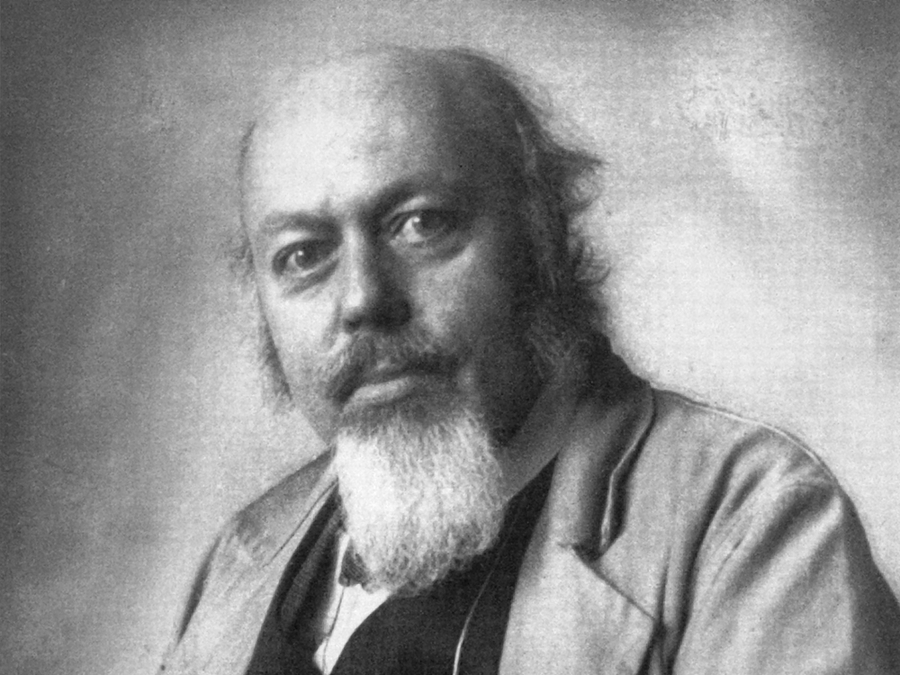
https://www.urbipedia.org/hoja/Bruno_Taut

Modernity in the Middle Ages, Lucas Cranach the Elder

He was born in Kronach, Germany, on October 4, 1472.

His real surname differs according to the sources and can be Sünder, Sunder or Sonder; later the name of the native city of him is added like last name.

After Albrecht Dürer, he is perhaps the best known and most important of the German Renaissance.

It is unknown where he made his apprenticeship, it is probable that he knows the German teacher Matthias Grünewald, from whom he possibly receives lessons.

Grünewald practices in Bamberg and Aschaffenburg, with Bamberg being the capital of the diocese where Cranach lives.

The first written reference to his existence is in the German city of Wittenberg in the year 1504, in which the local prince gave him a certain salary for his work.

It is further known that he owns a house in Gotha and that Barbara Brengebier is his wife.

Commissioned by these, he paints numerous biblical and mythological scenes, sensual nudes, something totally new in German painting.

In 1508 he paints various altar pieces for Wittenberg Castle, competing with Albrecht Dürer and Hans Burgkmair, his contemporaries.

His friendship with Martin Luther is reflected in some way in his work, expressing in his paintings part of the reformist sentiments in Germany, in which Protestantism is propagandized.

Cranach presses are used by Luther.

Above all, he was a great portraitist, although he made numerous medium-format religious scenes for private oratorios, and above all mythology themes in which he captures female nudes, imposing a very peculiar, stylized and youthful-looking female canon, with almond-shaped eyes, breasts. petite and long legs.

He repeats his scenes with fixed models with slight variations.

The winged serpent anagram is included in all of them, more as a stamp of the workshop than as a guarantee of authorship, after his death, his workshop, which his children continue, as a sign of mourning for his death in 1537, the family anagram is modified , arranging the serpent’s wings downward.

This allows establishing a chronology of the works carried out before and after that date.

He is a very prolific painter, and the father and teacher of Lucas Cranach the Younger and Hans Cranach.

His paintings of the highest quality of the Cranach family are those from the early days, especially those before the years when the two sons began to collaborate. Those of 1508-20 are relatively scarce in the market and reach astronomical prices.

Although Cranach the Elder is productive, he maintains a high level of quality, with a very careful execution requiring multiple coats of oil paint applied in fine glazes.

From a fervent Catholic, he goes on to unconditionally support Lutheranism, which he promotes with his portraits and engravings, the international fame of Martin Luther and Philip Melanchthon.

In some of his engravings he apparently wants to ridicule the Pope and the House of Habsburg.

Following the defeat of the Protestant troops before Carlos V in the battle of Mühlberg, in 1547, the elector Juan Federico I of Saxony is captured and sent into exile to Weimar, and Cranach accompanies him.

And in Weimar he died, on October 16, 1553.

In Spain there are works by the artist in the Prado Museum and the Thyssen Bornemisza Museum in Madrid.

Trianart

La Reforma, Lucas Cranach, El Viejo

Lucas Cranach el Viejo – 2 Cacería en el castillo de Torgau en honor de Fernando I-1544-MPrado

Nace en Kronach, Alemania, el 4 de Octubre de 1472.
Su apellido real difiere según las fuentes y puede ser Sünder, Sunder o Sonder; posteriormente se añade como apellido el nombre de su ciudad natal.

Lucas Cranach el Viejo – 3 Old man beguiled by courtesans 1537

Después de Alberto Durero, es quizá el más conocido e importante de los renacentistas alemanes.

Se desconoce donde realiza su aprendizaje, es probable que conociera al maestro alemán Matthias Grunewald, del que posiblemente recibe algunas lecciones.

Lucas Cranach el Viejo – La Ninfa de la fuente a

Grünewald practica en Bamberg y en Aschaffenburg, siendo Bamberg la capital de la diócesis donde Cranach vive.

Lucas Cranach el Viejo – El juicio de Paris-detalle – 1512-14

La primera referencia escrita de su existencia es en la ciudad alemana de Wittenberg en el año 1504, en el que el príncipe del lugar le daba un cierto salario por su trabajo.

Lucas Cranach el Viejo – Melancholy 1532

Se sabe además que posee una casa en Gotha y que Barbara Brengebier es su mujer.

Lucas Cranach el Viejo – 6 Saints Christina and Ottilia-detalle 1506 N.Gallery Londres

Por encargo de estos, pinta numerosas escenas bíblicas y mitológicas, desnudos sensuales, algo totalmente novedoso en la pintura alemana.

Lucas Cranach el Viejo – The Garden of Eden 1530

1508 pinta varias piezas de altar para el castillo de Wittenberg, compitiendo con Alberto Durero y Hans Burgkmair, contemporáneos suyos.

Su amistad con Martín Lutero se refleja de alguna forma en su obra expresando en sus pinturas parte de los sentimientos reformistas en Alemania, en la que se hace propaganda del protestantismo.

780 Hans Cranach – Hercules y Onfalia

Las prensas de Cranach son usadas por Lutero.

Fue sobre todo un gran retratista, aunque realiza numerosas escenas religiosas de mediano formato para oratorios particulares, y sobre todo temas de mitología en los que plasma desnudos femeninos, imponiendo un canon femenino muy peculiar, estilizado y de aspecto juvenil, con ojos almendrados, senos menudos y piernas largas.

Lucrecia

Repite sus escenas con modelos fijos con ligeras variantes.

El anagrama de la serpiente alada se incluye en todas ellas, más como sello del taller que como garantía de autoría, tras su muerte, su taller, que continúan sus hijos, en señal de luto por su muerte en 1537, el anagrama familiar se modifica, disponiendo las alas de la serpiente hacia abajo.

Lo que permite establecer una cronología sobre las obras realizadas antes y después de tal fecha.

Es un pintor muy prolífico, y padre y maestro de Lucas Cranach El Joven y Hans Cranach.
Sus pinturas de mayor calidad de la familia Cranach son las de la primera época, especialmente las anteriores a los años en que ambos hijos empiezan a colaborar. Las de 1508-20 son relativamente escasas en el mercado y alcanzan precios astronómicos.

Aunque Cranach el Viejo es prolífico, mantiene un nivel de calidad alto, con una ejecución muy esmerada que requiere múltiples capas de pintura al óleo aplicadas en finas veladuras.

De ferviente católico, pasa a apoyar incondicionalmente el luteranismo, que promueve con sus retratos y grabados, la fama internacional de Martín Lutero y Philip Melanchthon.

En algunos grabados al parecer, quiere ridiculizar al Papa y a la Casa de Habsburgo.

A raíz de la derrota de las tropas protestantes ante Carlos V en la batalla de Mühlberg, en 1547, el elector Juan Federico I de Sajonia es apresado y enviado al exilio a Weimar, y Cranach le acompaña.

Lucas Cranach, el Viejo. Adán y Eva. 1530. Óleo sobre tabla. Museo Nacional de San Carlos, Ciudad de México


Y en Weimar murió, el 16 de octubre de 1553.

En España hay obras del artista en el Museo del Prado y en el Museo Thyssen Bornemisza de Madrid.

Trianart

https://es.wikipedia.org/wiki/Lucas_Cranach_el_Viejo

Nepotism, The pope Paulo III and his nephews.

In 1544, when Titian went from Venice to Rome, he was 55 years old.

He annoys her leaving his house, his atelier, or Venezia.

Titian (1488) is the first painter of Venice and the whole of southern Europe.

Princes appreciate his talent because he ennobles features.

Carlos V, prefers Titian before any other painter.


He appoints him earl and member of the imperial court and assigns him an annual rent that he never pays him.


The competition over who has the highest rank in Europe, whether the emperor or the Pope, reaches the question of who has the best painters at his service.

Carlos V has already been portrayed, when Paulo III Farnese in 1534 became pope.

The Farnese also love Tiziano and know that he bothers them to travel.

They send Ranuccio Farnesio, a 12-year-old nephew of the pope who is studying in Padua.

Raduccio Farnese

His portrait is in the National Gallery of Art in Washington today.

Raduccio Farnese

In 1542, the contact is planned by Cardinal Alessandro Farnesio, who appears behind the Pontiff’s chair in the painting Pope Paul III with his nephews.

Cardinal Farnese

Alessandro asks Titian if he can move to Rome to work exclusively for the pope and he refuses.

In 1543 the cardinal asks him to go to Bologna where the Pope has to meet Carlos V.
Titian portrays the pope there for the first time.

Paulo III

Then he is invited to Rome for a few months and agrees.

He had never been to Rome despite being 55 years old, nor had he seen ruins, mosaics, sculptures etc.

He was a Renaissance painter with no classical knowledge.

He had been required to work in Rome several times, but he had not accepted fearful that the great models would disturb his speech, his perceptions.

But at that point he was confident enough.

The first week he spent in awe observing ancient classical culture.


The second reason for the trip was the family, his son Pomponius had chosen an ecclesial career and hoped to find a monastery or a church on whose income he could live.


Titian had in mind the abbey of San Pietro in Colle, which adjoined an estate he owned.
Cardinal Farnese gives you hope.


At Bologna he gave her to understand that the matter was about to be resolved in his favor.
March 1544, Titian asks again and receives no answer.

Cardinal Alessandro Farnesio knows Tiziano’s interest in San Pietro in Colle very well and takes the opportunity to blackmail him.

September 1544, the Venetian nuncio informs the cardinal in Rome that the artist is willing to paint the cats of the Illustrious house of his very noble birth, in exchange for a perk.

1544 Titian travels through a dismembered and insecure country, through cities and duchies that are mostly independent but that can only exist through an alliance with a foreign power, that is, with France or Spain.

Armies of mercenaries travel through Italy permanently.
The Duke of Urbino, whom Titian visits during the trip, decides that a group of men protect the painter in the last stage of the journey.

In Rome Cardinal Farnese received him with great honors and had his rooms prepared for him in the papal palace.

The pope needs soldiers, money and good contacts to have a stable situation between the great powers, Spain and France and the Italian supporters of him.


Otherwise the pope would have been easy to blackmail, even on religious matters.
That is why he is not suitable to lead the church by devout Christians and he resorts to men of action, with a left hand for power.

Paulo III proves to be a good manager.

Paulo III

He is descended from a lower nobility family, without any helpful contact in the curia, he has a pretty sister.

Luther says that he exploits her to seduce the pope and thus manages to make him a cardinal.
While Paul III is cardinal, he looks for a concubine and begets three sons and a daughter with her.
Luther reproaches him from Wittenberg, calling him an Epicurean pig.

In Rome this behavior is justified because he watches over the perpetuation of the family.


The survival of this, and even the plan to found a dynasty of rulers, legitimizes the violation of the vow of chastity.
Given that his older brother only had a sickly son who dies at a young age, it is up to the future pope to watch over the family and there is no evidence that he dislikes the task.
Nor is there any indication that he observed the precepts of the Church.
For a man like him, an ecclesiastical career implies the possibility of profiting from the riches of the Church.

Farnese palace in Rome

The Vatican has countless parishes, abbeys, country estates, towns, cities, bishoprics, and offices.
All of them give benefits that are distributed among the ecclesiastics as perks.
As a cardinal, the future Paul III possesses several ovispados although he lacks the higher orders to be a bishop.

He uses a representative, to whom he gives a part of the income and who establishes a relationship of dependency with him.
Subordinates strengthen influence and power.
When Titian paints Pope Farnese in the company of two of his grandchildren, he is 77 years old and in a delicate situation.

Protestantism spreads north of the Alps and the Reformed princes of Germany join forces in the Schmalkalden league.


Carlos V fights against the league and demands immediate material help from Paulo III.
At the same time, the emperor demands the convening of a council that should serve to pronounce reforms and to put an end to the abuses that the pontiff himself has committed for his own benefit without scruples.


The portrait that Titian paints does not allow us to know who he really was.
He portrays him as a decrepit old man with shoulders that can’t hold his head.
But the pope seems dynamic, because he orients his head and body in different directions, suggesting expectation and even movement.
Unlike what is usually normal in the elderly, the pontiff has wide eyes and brimming with energy.


This ambiguity, this fusion of two facets in the same person make Titian’s pope something disturbing.


Paulo’s son also has four children.
Titian includes in the painting the two eldest Alessandro and Octavio who are called nepotes, who can be grandchildren or nephews, hence the title given to the work of Pope Paul III with his nephews.


The painter elegantly conceals the fact that the Pope allows himself to be portrayed with his grandchildren.


Alessandro is made a cardinal when he is 14 years old.


That happened in 1534, immediately after the grandfather was elected pope and the majority of the members of the curia did not consider him a cause for scandal.

Alessandro Farnesse


Increasing his possessions and his power in this age has an absolute priority.
The pope procures his grandson Alessandro 30 bishoprics.
Lessandro has as little respect for the rules of conduct dictated by the Church as his grandfather.
He is about to renounce the cardinal’s hat on more than one occasion.
He supports a concubine, perhaps more, he begets a daughter and in the time he spends at the court of France as the pope’s nuncio, he dances with such elegance that Queen Catherine de Medici continues to remember him 30 years later.

Farnese Palace in Rome.


He has a considerable income that he spends on the construction of the Palazzo Farnese in Rome which he adorns with ancient treasures and works of art from the time.


Alessandro participated in 7 conclaves but was never elected.

The fluoroscopic examination of the painting shows that Titian places him closer to the pope and makes him grasp the pommel on the back of his chair with his right hand as a sign of his intention to succeed him.

But the Counter-Reformation looks for people with ideals other than their own, his grandfather’s, or the Renaissance popes of the Borgia and Medicis families.


Gössel, P. (2007). The secrets of works of art. Deutscher Taschenbuch Verlag.
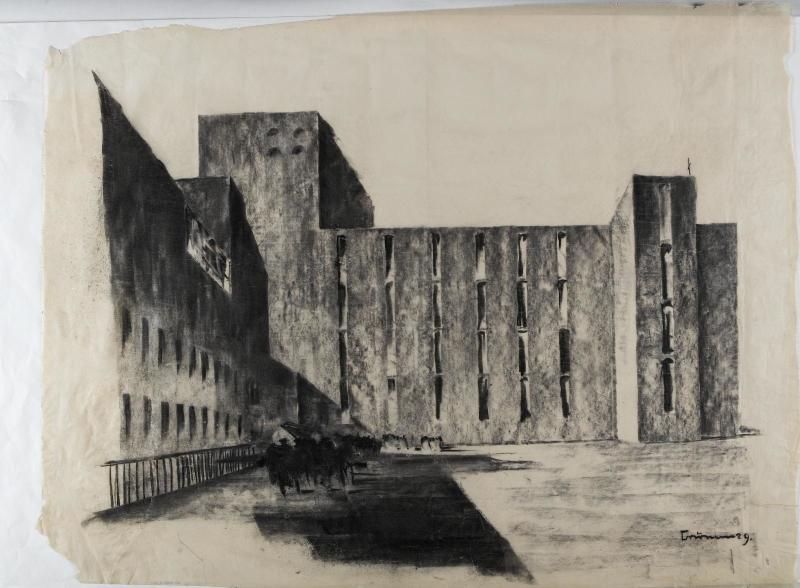
Trianart

Estafa, El papa Paulo III con sus sobrinos, 1545

En 1544 , cuando Tiziano va de Venezia a Roma, tiene 55 años.

Le fastidia salir de su casa, de su atelier, ni de Venezia.

Tiziano (1488) es el primer pintor de Venecia y de todo el sur de Europa.

Los príncipes aprecian su talento porque ennoblece los rasgos.

Carlos V, prefiere a Tiziano antes que a cualquier otro pintor.

Lo nombra conde y miembro de la corte imperial y le asigna una renta anual que nunca le paga.

La competencia sobre quien tiene el rango mas alto en Europa, si el emperador o el Papa, alcanza la cuestión de quien tiene a su servicio a los mejores pintores.

Carlos V ya ha sido retratado, cuando Paulo III Farnesio en 1534 llega a papa.

Los Farnesio también quieren a Tiziano y saben que les fastidia viajar.

Mandan a Ranuccio Farnesio, sobrino del papa de 12 años que estudia en Padua.

Ranuccio Farnese

Su retrato esta hoy en la National Gallery of Art de Washington.

Ranuccio Farnese

1542, el contacto es planeado por el cardenal Alessandro Farnesio, que apare tras la silla del Pontífice en el cuadro El papa Paulo III con sus sobrinos.

Alessandro Farnese

Alessandro le pregunta a Tiziano si puede trasladarse a Roma para trabajar exclusivamente para el papa y rehúsa.

Cardenal Alessandro Farnese

1543 el cardenal le pide que vaya a Bolonia donde el Papa se tiene que reunir con Carlos V.

Tiziano retrata allí por primera vez al papa.

Después es invitado a Roma unos meses y accede.

Nunca había estado en Roma a pesar de tener 55 años, ni había visto ruinas, mosaicos, esculturas etc.

Era un pintor del Renacimiento sin conocimiento clásico.

Había sido requerido para trabajar en Roma varias veces, pero no había aceptado temeroso de que los grandes modelos perturbaran su discurso, sus percepciones.

Pero en ese momento ya tenía la seguridad suficiente.

La primera semana se dedico con asombro a observar la cultura clásica antigua.

El segundo motivo del viaje era la familia, su hijo Pomponio había elegido la carrera eclesial y esperaba encontrar un monasterio o una iglesia de cuyos ingresos pudiera vivir.

Tiziano tenia en mente la abadía de San Pietro in Colle, que lindaba con una finca de su propiedad.

El Cardenal Farnesio le da esperanzas.

En Bolonia le dio a entender que el asunto estaba a punto de resolverse a su favor.

1544 marzo, Tiziano vuelve a preguntar y no recibe respuesta.

El cardenal Alessandro Farnesio conoce muy bien el interés de Tiziano por San Pietro in Colle y aprovecha la ocasión para hacerle un chantaje.

1544 septiembre, el nuncio veneciano informa al cardenal en Roma de que el artista esta dispuesto a pintar los gatos de la Ilustrísima casa de su muy noble cuna, a cambio de una prebenda.

1544 Tiziano viaja por un país desmembrado e inseguro, a través de ciudades y ducados en su mayoría independientes pero que solo pueden existir mediante la alianza con una potencia extranjera, es decir con Francia o España.

Ejércitos de mercenarios recorren Italia permanentemente.

El duque de Urbino a quien Tiziano visita durante el viaje, decide que un grupo de hombres proteja al pintor en la ultima etapa del recorrido.

En Roma el cardenal Farnesio lo recibe con grandes honores y manda que le preparen sus aposentos en el palacio papal.

El papa necesita soldados, dinero y buenos contactos para tener una situación estable entre las grandes potencias, España y Francia y sus partidarios italianos.

De lo contrario el papa habría sido fácil de chantajear, incluso en cuestiones religiosas.

Por eso no es idóneo para dirigir la iglesia los cristianos devotos y se recurre a hombres de acción, con mano izquierda para el poder.

Paulo III demuestra ser buen gestor.

Desciende de una familia de baja nobleza, sin ningún contacto provechoso en la curia, tiene una hermana guapa.

Lutero dice que la instrumentaliza para que seduzca al papa y así logra que le nombren cardenal.

Mientras es cardenal Paulo III se busca una concubina y engendra con ella tres hijos y una hija.

Lutero lo recrimina desde Wittenberg, llamándolo cerdo epicúreo.

En Roma esta conducta se justifica porque vela por la perpetuación de la familia.

La pervivencia de esta, e incluso el plan de fundar una dinastía de gobernantes, legitima la violación del voto de castidad.

Dado que su hermano mayor solo tuvo un hijo enfermizo que muere a corta edad, al futuro papa le corresponde velar por la familia y no hay constancia de que le disguste el cometido.

Tampoco hay ningún indicio de que observara los preceptos de la Iglesia.

Para un hombre como él, la carrera eclesiástica supone la posibilidad de sacar provecho de las riquezas de la Iglesia.

El Vaticano cuenta con innumerables parroquias, abadías, fincas rusticas, pueblos, ciudades, obispados y oficinas.

Todos ellos dan beneficios que se reparten entre los eclesiásticos en calidad de prebendas.

Como cardenal, el futuro Paulo III posee varios ovispados aunque carece de las ordenes mayores para ser obispo.

Se sirve de un representante, al que cede una parte de los ingresos y que establece con el una relación de dependencia.

Los subordinados fortalecen la influencia y el poder.

Cuando Tiziano pinta al papa Farnesio en compañía de dos de sus nietos, tiene 77 años y se halla en una situación delicada.

El protestantismo se extiende al norte de los Alpes y los príncipes reformados de Alemania unen sus fuerzas en la liga Esmalcalda.

Carlos V lucha contra la liga y reclama ayuda material inmediata a Paulo III.

Al mismo tiempo, el emperador exige la convocatoria de un concilio que debe servir para pronunciar reformas y para poner fin a los abusos que el mismo pontifice ha cometido en provecho propio sin escrúpulo alguno.

El retrato que pinta Tiziano, no permite saber que persona era en realidad.

Lo presenta como un anciano decrepito con unos hombros que no le aguantan la cabeza.

Pero el papa parece dinámico, porque orienta la cabeza y el cuerpo en direcciones distintas, lo que sugiere expectación e incluso movimiento.

A diferencia de lo que suele ser normal en los ancianos, el pontifice tiene los ojos muy abiertos y rebosantes de energía.

Esta ambigüedad, esa fusión de dos facetas en la misma persona convierten al papa de Tiziano en alguien inquietante.

El hijo de Paulo tiene a su vez cuatro hijos.

Tiziano incluye en el cuadro a los dos mayores Alessandro y Octavio a los que se denominan nepotes, que pueden ser nietos o sobrinos, de ahí el titulo que se le da a la obra de El Papa Paulo III con sus sobrinos.

El pintor disimula con elegancia el que el papa se deje retratar con sus nietos.

Alessandro es nombrado cardenal cuando tiene 14 años.

Eso ocurre en 1534, inmediatamente después de que el abuelo sea elegido papa y la mayoría de los integrantes de la curia no lo consideren motivo de escandalo.

El incremento de sus posesiones y de su poder en esta época tiene una prioridad absoluta.

El papa procura a su nieto Alessandro 30 obispados.

Lessandro siente tan poco respeto por las normas de conducta dictadas por la Iglesia como su abuelo.

Esta a punto de renunciar al capelo cardenalicio en mas de una ocasión.

Mantiene a una concubina, puede que a mas, engendra a una hija y en el tiempo que pasa en la corte de Francia como nuncio del papa, baila con tanta elegancia, que la reina Catalina de Médicis, sigue recordándolo 30 años después.

Tiene unos ingresos considerables dinero que destina a la construcción del Palacio Farnesio en Roma que adorna con tesoros antiguos y obras de arte de la época.

Palacio Farnese, hoy embajada de Francia.

Alessandro participo en 7 cónclaves pero nunca es elegido.

El examen radioscópico del cuadro demuestra que Tiziano lo sitúa mas cerca del papa y le hace agarrar el pomo del respaldo de su silla con la mano derecha como señal de su pretensión de sucederle.

Pero la Contrarreforma busca a personas con ideales distintos de los suyos, de los de su abuelo o de los papas renacentistas de las familias Borgia y Medicis.

Gössel, P. (2007). Los secretos de las obras de arte. Deutscher Taschenbuch Verlag.
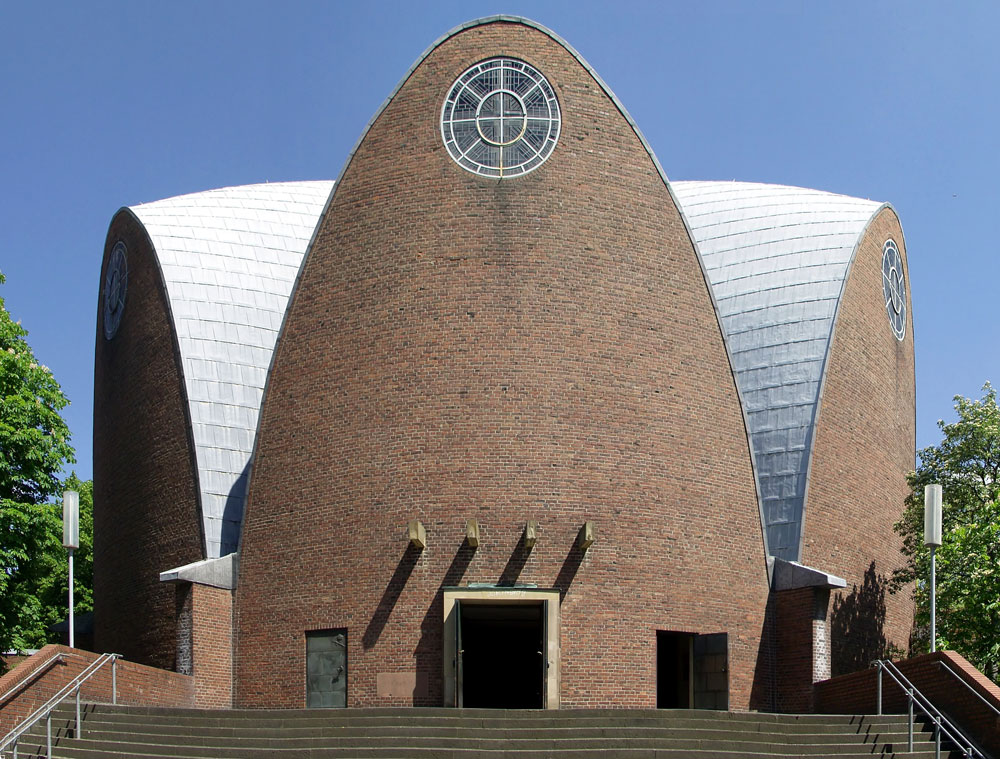
Always Titian

More Tiziano Vecellio He was born in Pieve di Cadore, Belluno, Italy between 1477 and 1490.
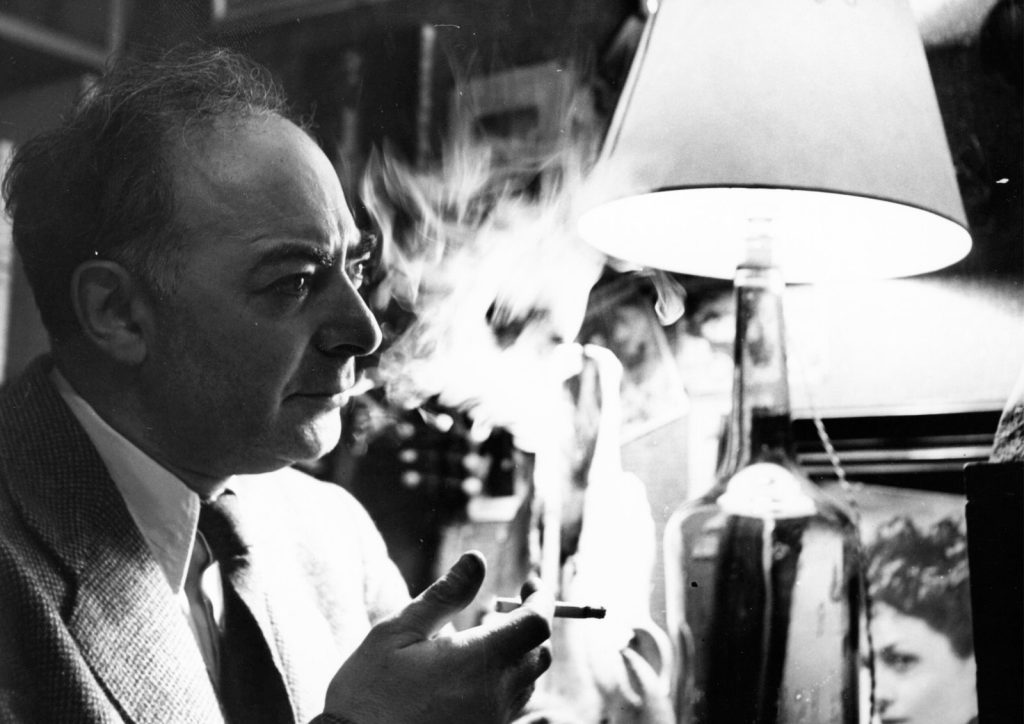
Renaissance and Mannerist, he was one of the most important painters of the School of Venice.
Amón his contemporaries he was known as The sun among the stars, and he was one of the most complete Italian Renaissance painters, he painted portraits with the same skill as landscapes, mythological scenes or religious themes.

Due to his long life, his work went through different stages, changing his style in a substantial way; This is why some critics doubt that his first works and the last ones were made by the same person.

However, there are common characteristics in all of them: vivid and luminous colors, loose brushwork and delicate tones, in the chromatic modes in his paintings that are unprecedented in the entire History of Art in the West.

Although the place of his birth is known with certainty, it is not the same with the date, according to his death certificate, that the church of San Canciano in Venice is preserved, the artist died at the age of one hundred and three years, so who would have been born in 1473.

At just 10 years old, Tizian and his older brother Francesco went to Venice where they apprenticed to Sebastiano Zuccato’s workshop.

Thanks to his innate talent, in just three or four years, he managed to enter the workshop of the now elderly Giovanni Bellini, at that time, the most recognized artist in Venice.

In this workshop, he met a group of young people who would be the first generation of painters of the Venetian School: Giovanni Palma da Serinalta, Lorenzo Lotto, Sebastiano Luciani, and Giorgio da Castelfranco, known as Giorgione, among others.

One of the first recognized works of him is the fresco on «Hercules in the Morosini Palace.»

Other early works: «Virgin with Child» and «Visitation of Mary to Elizabeth.»

Titian and Giorgione, at this time, were associated, so the difficulty of distinguishing his early works is great.

When in 1510 the plague epidemic swept through Venice and killed his companion Giorgione, Titian went to Padua, where he made a number of frescoes.

In 1512 he returned from Padua to Venice, where he began to establish a network of relationships that would lead him to the top of the Venetian group of artists.

He soon obtained work from the Fondaco dei Tedeschi, obtained from this La Sanseria or Senseria (a privilege highly coveted by emerging artists), and became superintendent of government works, position of official painter of the Republic of Venice, which would report to him Sufficient remuneration and other added privileges.

He would hold the position uninterruptedly for sixty years, until his death.

During his long career he became the most influential of the Venetian School painters, and the most honored of the Most Serene Republic in all its history.

The deaths of Giorgione in 1510 and Bellini in 1516, and the transfers of Sebastiano del Piombo to Rome (1511) and Lorenzo Lotto to Bergamo (1513), left Titian without rivals in the city.

The good relations that he maintained with the court of Mantua provided him with valuable contacts that would lead to his consecration as a portraitist.

In 1530 he was able to paint Carlos I of Spain, who had traveled to Bologna on the occasion of his imperial coronation as Carlos V.

He would make several more portraits of the emperor, his family and his son Philip II.

During this period from 1530 to 1550, as one might suppose in view of the Martyrdom of Saint Peter of Verona, he devoted himself to cultivating an increasingly dramatic style.

His artistic career was very long, with a great production, most of them commissioned.

In his work, the change in status produced during the Renaissance can be perfectly verified, going from being artisans to becoming artists, recognized socially.

The Prado Museum in Madrid houses an important sample of his work.

Likewise, the Thyssen Bornemisza Museum in Madrid has two other oil paintings, and the Ducal House of Alba has in its private collection several fabrics by the Venetian,

He died in Venice, on August 27, 1576.

Trianart

Versatilidad, Tiziano

Nace en Pieve di Cadore, Belluno, Italia entre 1477-1490.
Es el mejor retratista del momento del sur de Europa, un pintor magno, de los más importantes de la Escuela de Venecia.

Entre sus coetáneos le llaman El sol entre las estrellas, un término que usa Dante en el capítulo final de La divina comedia.

Es de los pintores italianos del Renacimiento más versátiles, que igual pinta retratos, paisajes, escenas mitológicas o temas religiosos.

Su obra pasa por etapas, cambiando su discurso, por lo que algunos críticos dudan que sus primeras obras y las últimas estén hechas por la misma mano.

Pero hay características comunes como los colores fuerte, de pincelada suelta y tonos sutiles

Aunque se sabe el lugar de su nacimiento, no igual la fecha.

Según su partida de defunción, que se conserva la iglesia de San Canciano de Venecia, muere a la edad de ciento tres años, por lo que nace en 1473.

Con 10 años, Tiziano y su hermano Francesco, van a Venecia donde ingresan como aprendices en el taller de Sebastiano Zuccato.

Gracias a su talento, en 3 años, entra en el taller del anciano Giovani Bellini, en ese momento, el artista más reconocido en Venecia.

En dicho taller, coincide con jóvenes que son la primera generación de pintores de la Escuela Veneciana: Giovanni Palma da Serinalta, Lorenzo Lotto, Sebastiano Luciani, y Giorgio da Castelfranco, conocido como Giorgione, etc.

Una de sus primeras obras reconocidas es el fresco sobre Hércules en el palacio Morosini.

Otras obras tempranas: Virgen con el Niño y la Visitación de María a Isabel.

Tiziano y Giorgione,  ahora son socios, por lo que la dificultad de distinguir sus primeras obras es grande.

1510 la epidemia de peste se extiende por Venecia y termina con la vida de Giorgione, Tiziano va a Padua, donde hace muchos frescos.

1512 vuelve de Padua a Venecia y empieza a tejer intrincadas relaciones que lo llevan a la cima.

Pronto consigue trabajo de la Fondaco dei Tedeschi, obtiene de esta La Sanseria o Senseria (un privilegio muy codiciado por los artistas emergentes), y llega a ser superintendente de las obras gubernamentales, cargo de pintor oficial de la República de Venecia, que le permite remuneración y otros privilegios añadidos. Ostenta el cargo durante sesenta años, hasta su muerte.

Durante su larga carrera es en el más influyente de los pintores de la Escuela veneciana, y en el más laureado de la República Serenísima.

Las muertes de Giorgione en 1510 y Bellini en 1516, y los traslados de Sebastiano dil Piombo a Roma (1511) y de Lorenzo Lotto a Bérgamo (1513), dejaron a Tiziano sin rivales en la ciudad.

Las buenas relaciones que tiene con la corte de Mantua le proporcionan valiosos contactos que le suponen su consagración como retratista.

 1530 pinta a Carlos I de España, que se desplaza a Bolonia por su coronación imperial como Carlos V.

Hara varios retratos más del emperador, de su familia y de su hijo Felipe II.

1530-1550, debido a la tristeza que le procura la muerte de su esposa, tal y como se podría suponer a la vista del Martirio de San Pedro de Verona, cultiva un estilo dramático.

Su carrera artística es muy larga, con una producción grandiosa, la mayoría por encargo.

En su obra, se ve el cambio de estatus del Renacimiento que pasan de ser artesanos a artistas, reconocidos socialmente.

El Museo del Prado de Madrid tiene una importante colección de su obra.

También el  Museo Thyssen Bornemisza de Madrid  tiene con otros dos óleos, y la Casa Ducal de Alba posee en su colección varias pinturas.

Muere en Venecia, el 27 de agosto de 1576.

Trianart